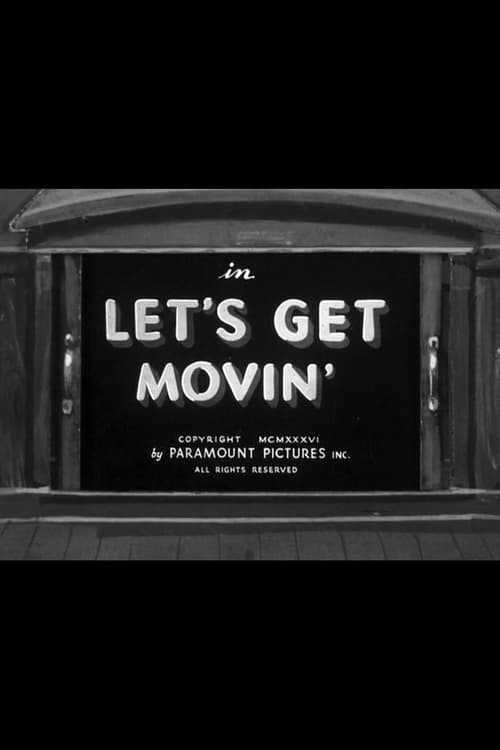
Let's Get Movin'
1936
No user ratings available yet
Representation score: 0.4 out of 10
Representation Score
Minimal
1933
Director
Dave Fleischer
Runtime
7 minutes
Average Rating
No ratings yetNew Showbiz Analysis
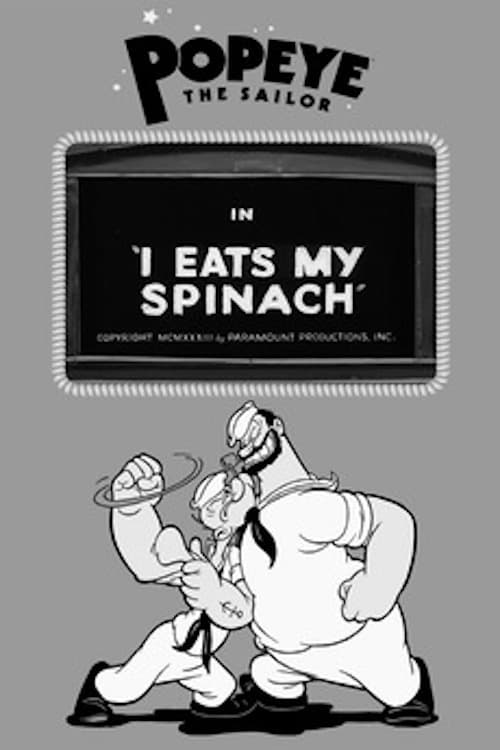
I Eats My Spinach is a product of the early 20th-century studio system, prioritizing slapstick comedy over social complexity. The narrative relies heavily on established clichés, particularly regarding gender and cultural archetypes. The film lacks intentional representation of multiple aspects of identity, instead reinforcing the traditional hierarchies of its era. Its setting and character dynamics reflect the limited social pluralism of 1933 American animation.
Category Breakdown
The film does not include any LGBTQ+ characters or stories that explore non-straight relationships. It follows the traditional assumption that everyone is straight or cisgender.
Olive Oyl mainly serves as a damsel in distress, acting as a plot device rather than an independent character. The story emphasizes traditional masculine strength for resolving conflicts.
Set in a rodeo context, the film reflects the era's lack of racial diversity. The narrative likely relies on the homogeneous casting common in mainstream 1930s animation.
The story operates within traditional Western entertainment conventions, reinforcing conventional social hierarchies. It provides a standard comedic experience without challenging these norms.
There are no depictions of neurodivergence or physical disabilities. Early animation sometimes used physical oddities for slapstick humor, but lacked nuanced representation or character's ability to drive the story.
Present on Screen
Limited or Absent
Official Synopsis
Popeye and Olive Oyl visit a rodeo.
1936
1934
1937
1936
1937
1936
1936
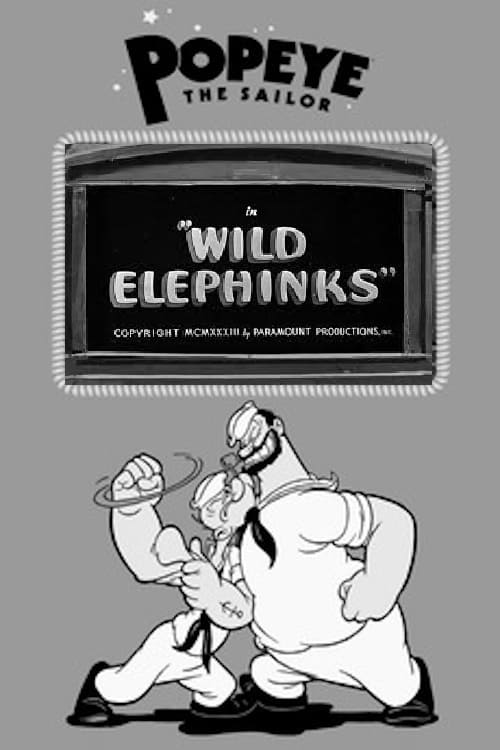
1933
No reviews yet. Be the first to share your thoughts on this movie!
Use the rating form above to leave a star rating and optional review.