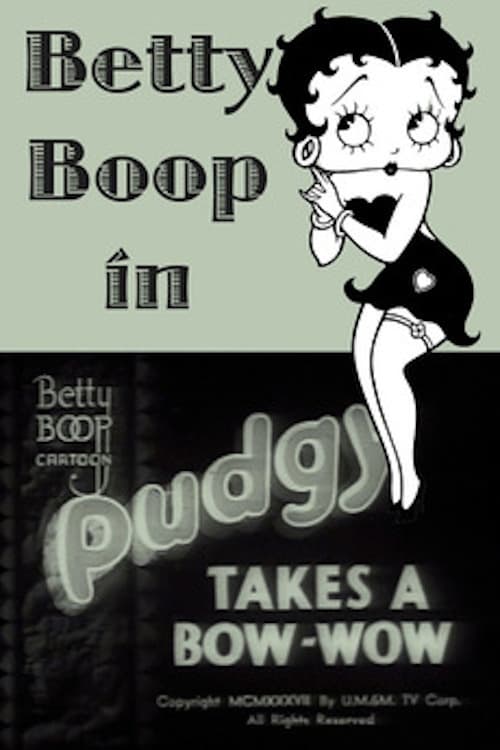
Pudgy Takes a Bow-Wow
1937
No user ratings available yet
Representation score: 1.1 out of 10
Representation Score
Minimal
1938
Director
Dave Fleischer
Runtime
8 minutes
Average Rating
No ratings yetNew Showbiz Analysis
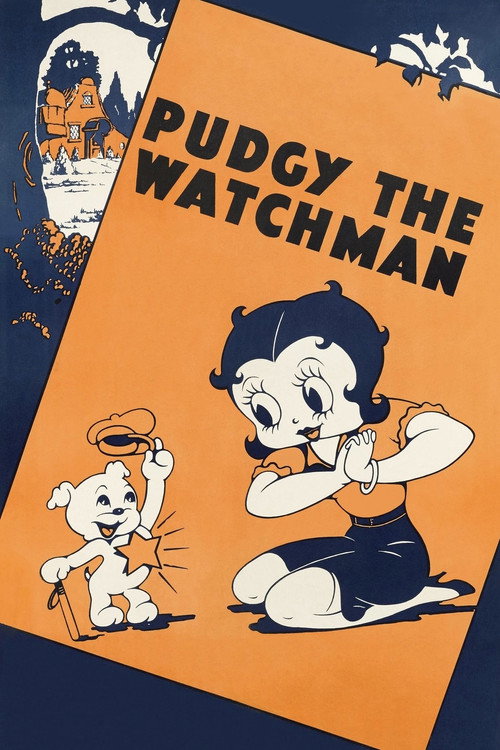
Pudgy the Watchman is a product of its era, prioritizing slapstick humor and conventional comedic clichés over social complexity. The narrative structure is straightforward, focusing on a professional service task rather than character-driven social exploration. While Betty Boop provides a central female presence, her role remains within a traditional hierarchy of authority. The film adheres to the standard animation clichés of the 1930s, offering little in the way of diverse representation or the disruption of social norms.
Category Breakdown
The film does not include any LGBTQ+ characters or narratives. The plot follows a traditional, task-oriented storyline typical of the 1930s.
Betty Boop acts as an employer, maintaining a traditional hierarchy. There is no evidence of subverted gender roles or inept masculinity.
The story functions as an animal fable, reflecting the homogeneous casting standards common in 1930s animation.
The narrative reinforces Western concepts of professional services and domestic order. It lacks critiques of Western institutions or anti-capitalist sentiment.
There is no information regarding characters with physical or neurodivergent traits.
Present on Screen
Limited or Absent
Official Synopsis
Betty Boop hires a feline professional "Mouse Eradicator" to take over from Pudgy the Pup who makes friends with mice.
1937
1936
1939

1965
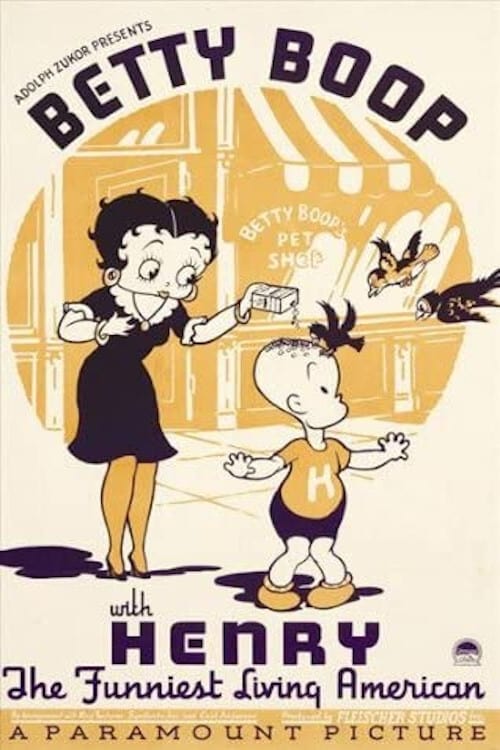
1935

1937
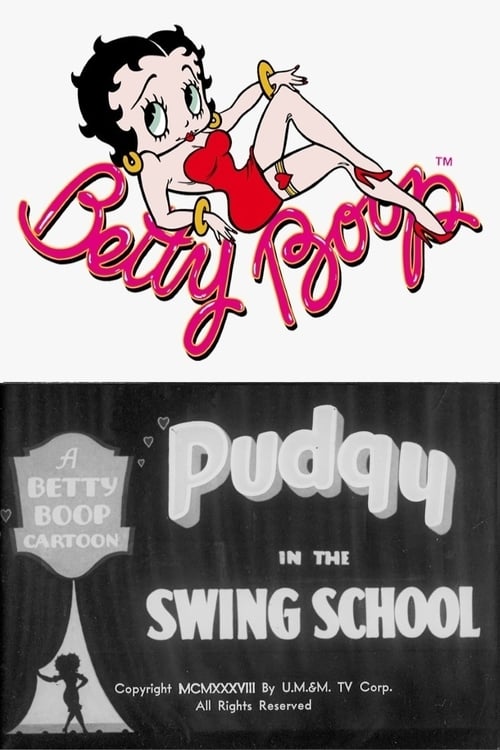
1938

1936
No reviews yet. Be the first to share your thoughts on this movie!
Use the rating form above to leave a star rating and optional review.