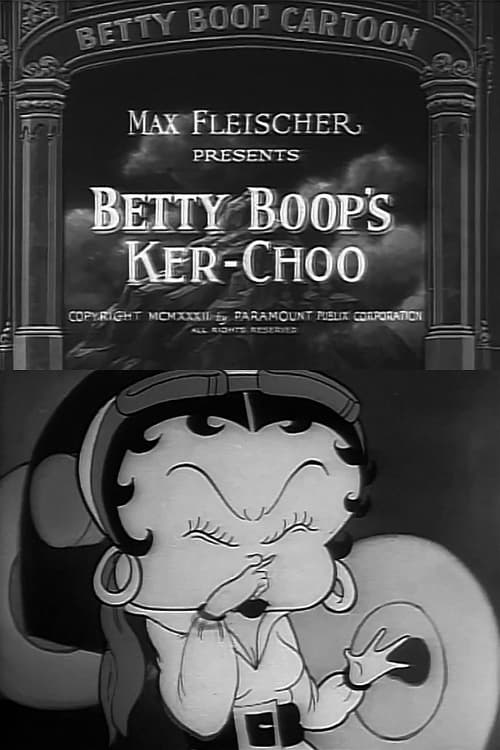
Betty Boop's Ker-Choo
1933
No user ratings available yet
Representation score: 0.4 out of 10
Representation Score
Minimal
1930
Director
Dave Fleischer
Runtime
6 minutes
Average Rating
No ratings yetNew Showbiz Analysis
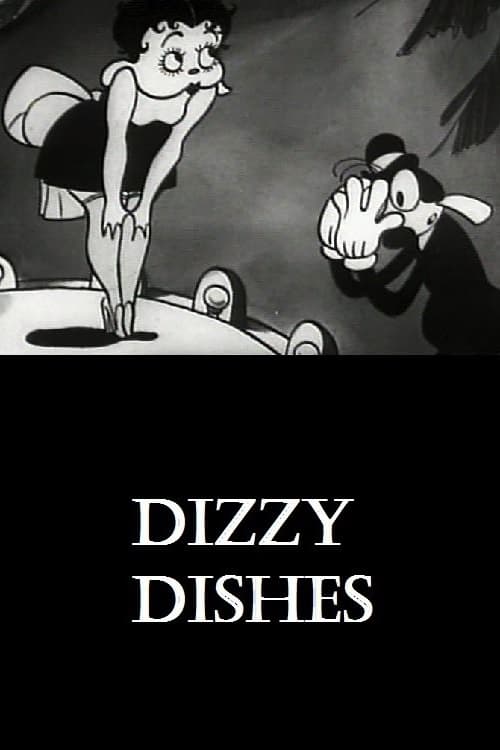
Dizzy Dishes stands out as a landmark short for introducing Betty Boop and advancing animation technology. While it features an iconic female character, the film remains entrenched in the social norms of the 1930s. It lacks intentional efforts towards progressive representation, reinforcing traditional archetypes without challenging them. The short serves as a historical marker of character development but falls short in providing meaningful diversity.
Category Breakdown
There is no indication of LGBTQ+ identities or narratives that go beyond traditional heterosexual relationships. The story revolves around conventional romantic and slapstick humor.
Betty Boop's debut introduces a strong female character, but her design adheres to the flapper archetype and often supports male-centric comedy structures rather than challenging gender hierarchies.
The animation reflects a homogeneous, Anglo-centric society of the early sound era. There is no evidence of diverse racial or ethnic representation.
The content focuses on surreal slapstick humor rather than critiquing societal norms. It aligns with the escapist entertainment standards of the time.
Characters with disabilities are not shown taking control or having significant roles. Physical limitations are used as comedic devices rather than as nuanced character traits.
Present on Screen
Limited or Absent
Official Synopsis
The Fleischer's Talkartoon short that debuted Betty Boop.
1933
1934
1932
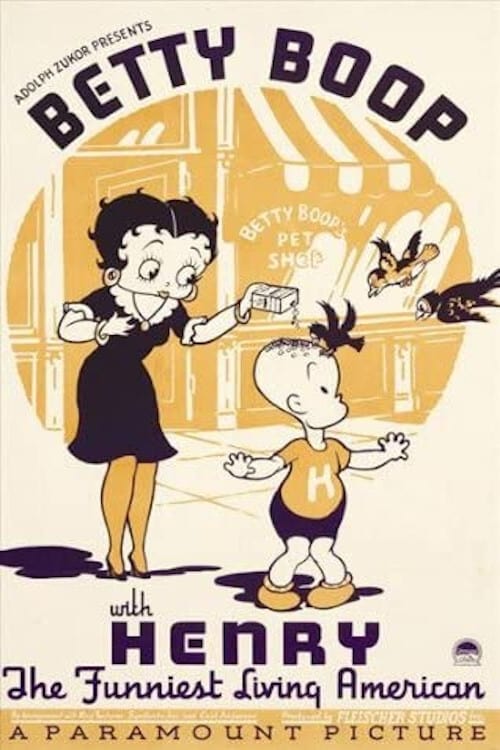
1935
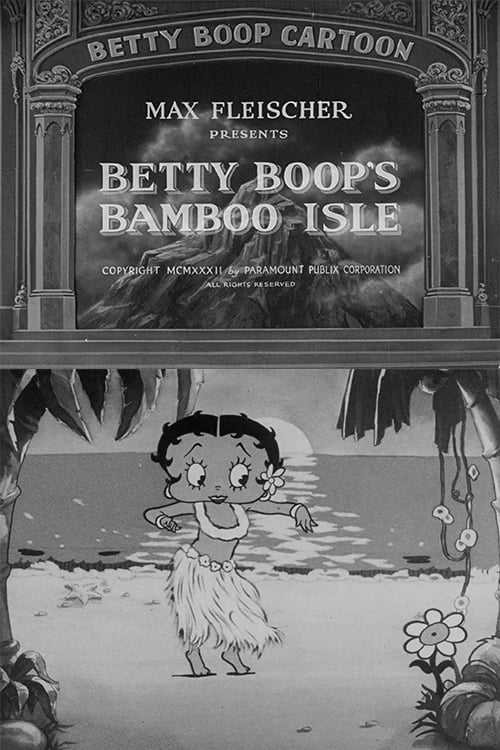
1932
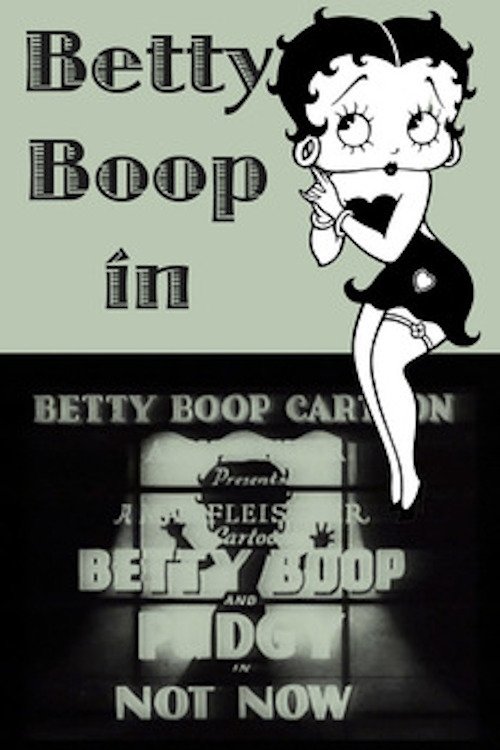
1936
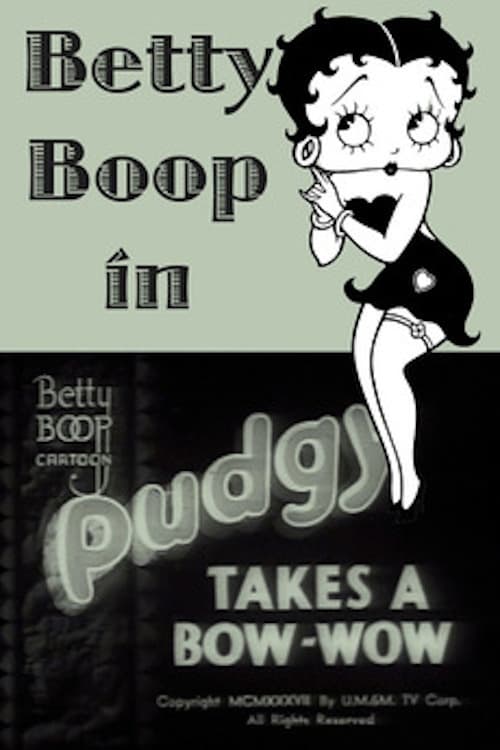
1937
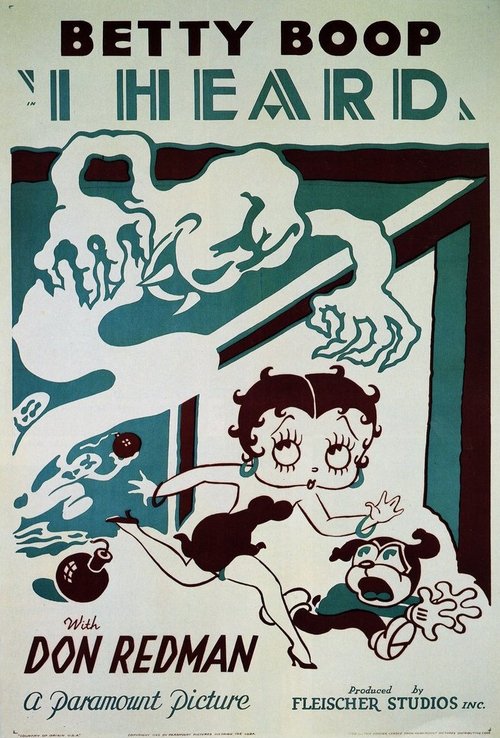
1933
No reviews yet. Be the first to share your thoughts on this movie!
Use the rating form above to leave a star rating and optional review.