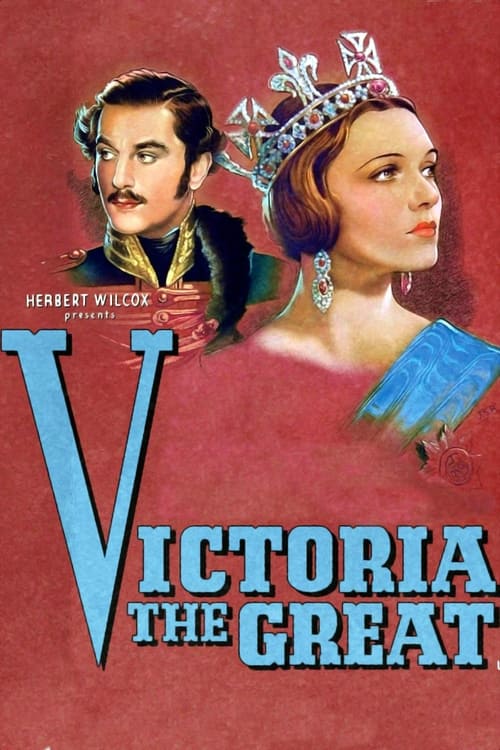
Victoria the Great
1937
No user ratings available yet
Diversity score: 1.4 out of 10

1938
NRDirector
W.S. Van Dyke
Runtime
149 minutes
Average Rating
No ratings yetSynopsis
The young Austrian princess Marie Antoinette is arranged to marry Louis XVI, future king of France, in a politically advantageous marriage for the rival countries. The opulent Marie indulges in various whims and flirtations. When Louis XV passes and Louis XVI ascends the French throne, his queen's extravagant lifestyle earns the hatred of the French people, who despise her Austrian heritage.
Overall Score
Minimal
Category Breakdown
LGBTQ+ Representation
The film follows a strictly heteronormative structure centered on dynastic marriage. No non-cisnormative identities or same-sex intimacy are depicted.
Gender Representation
While centered on a female protagonist, Marie Antoinette's agency is limited by patriarchal marriage. Her influence is tied to her status rather than independent leadership.
Racial & Ethnic Diversity
The cast is entirely homogeneous, focusing on the white European aristocracy. There is no evidence of color-blind casting or non-white characters.
Religious & Cultural Diversity
The narrative celebrates Western institutions like the monarchy and the Church. The French Revolution is framed as a tragic disruption of social stability.
Disability Representation
No visible or invisible disabilities are portrayed within the character arcs. The focus remains on the political maneuvers of the ruling class.
Strengths
Areas for Improvement
AI Analysis
This 1938 melodrama prioritizes the preservation of traditional social hierarchies and Western institutions. It presents a singular, homogeneous perspective of European royalty that lacks intersectional complexity. The film functions as a romanticized tragedy of the aristocracy rather than a critique of class or systemic oppression. It adheres to the period-specific norms of its production era. Ultimately, the narrative reinforces established gender roles and Eurocentric historical perspectives, offering little representation outside of the white, aristocratic status quo.
1937
1936
1938
1936
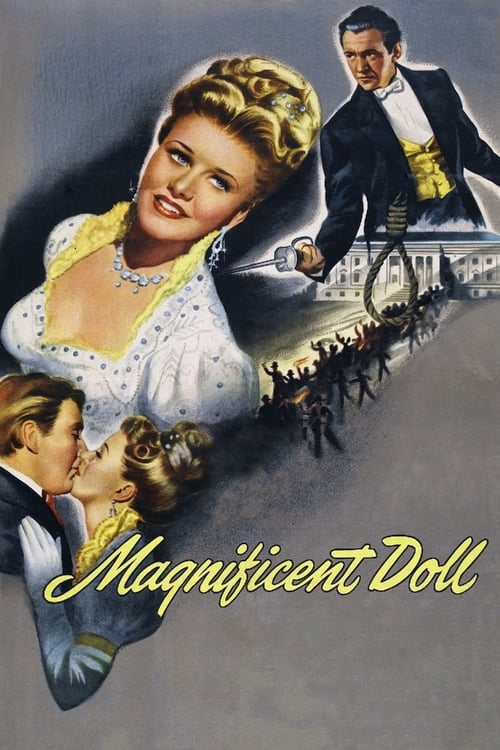
1946
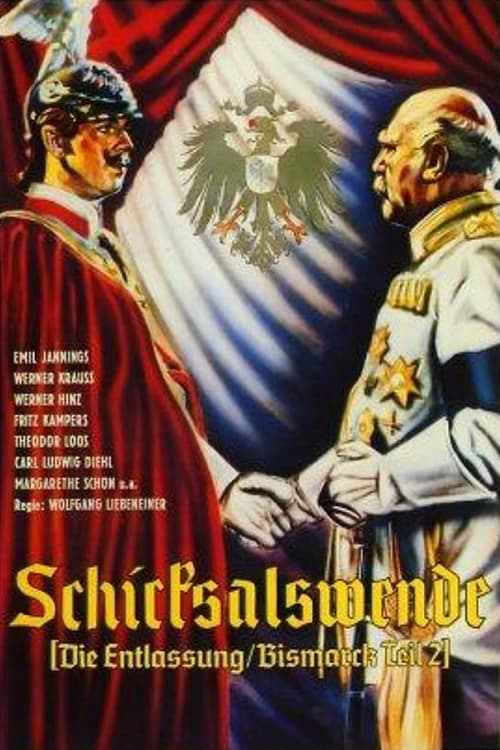
1942
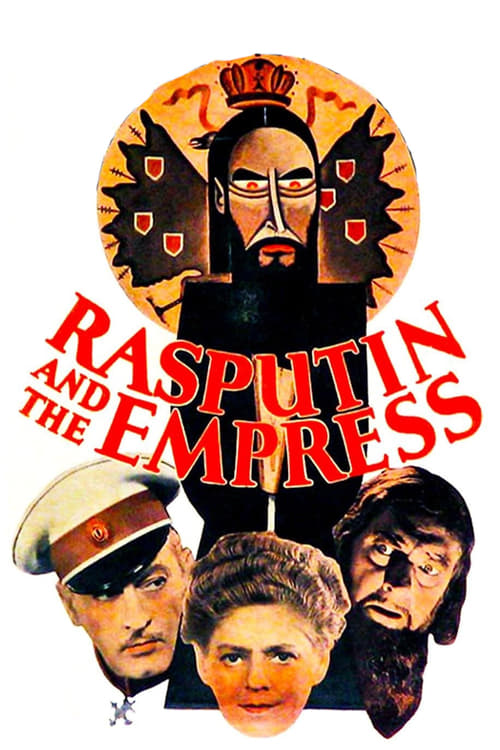
1932
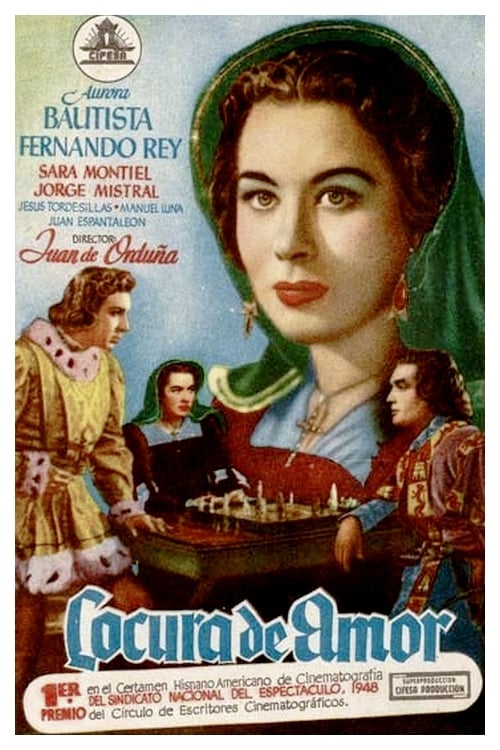
1948
1955
1917
1974
1971
No reviews yet. Be the first to share your thoughts on this movie!
Use the rating form above to leave a star rating and optional review.