
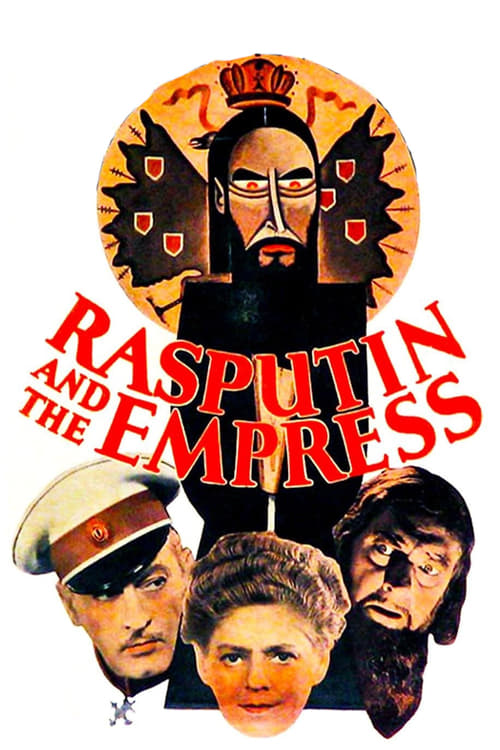
Rasputin
2010
No user ratings available yet
Representation score: 4.4 out of 10
Representation Score
Minimal
1932
ApprovedDirector
Richard Boleslawski
Runtime
121 minutes
Average Rating
No ratings yetNew Showbiz Analysis
Rasputin and the Empress is a period drama that adheres closely to the social and cinematic norms of 1932. While it provides a psychological study of power and influence, it lacks modern multi-layered depth. The film's primary focus is on the historical disintegration of the Tsarist regime. It prioritizes the dramatic tension surrounding the Romanov dynasty's fall over diverse or progressive social representation. Ultimately, the production reflects a homogeneous view of the Russian ruling class, centering on European historical figures without broadening the narrative scope to include a wider range of social identities.
Category Breakdown
The film centers on the mystical bond between Rasputin and Empress Alexandra. It does not depict any non-traditional gender identities or same-sex relationships.
Empress Alexandra is a key female character with substantial importance to the story. However, her role is defined by her vulnerability and her function as a conduit for Rasputin's influence.
The cast is mainly composed of white actors representing the European nobility of the Russian Imperial Court. There are no characters from non-European backgrounds in major roles.
The film examines the fall of the Romanov dynasty through the lens of Russian Orthodoxy and religious mysticism. The revolutionary masses serve primarily as a backdrop to the main storyline.
There are no prominent depictions of physical or neurodivergent disabilities used as central character traits or plot devices.
Present on Screen
Limited or Absent
Official Synopsis
The story of corrupt, power-hungry, manipulative Grigori Rasputin's influence on members of the Russian Imperial family and others, and what resulted.
2010

2009

1919
1934

1984

1957
1934

1937
No reviews yet. Be the first to share your thoughts on this movie!
Use the rating form above to leave a star rating and optional review.