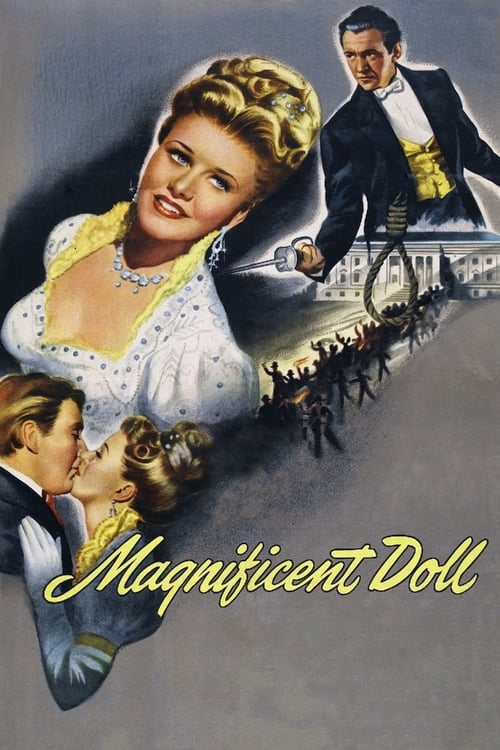
Magnificent Doll
1946
No user ratings available yet
Diversity score: 2.8 out of 10
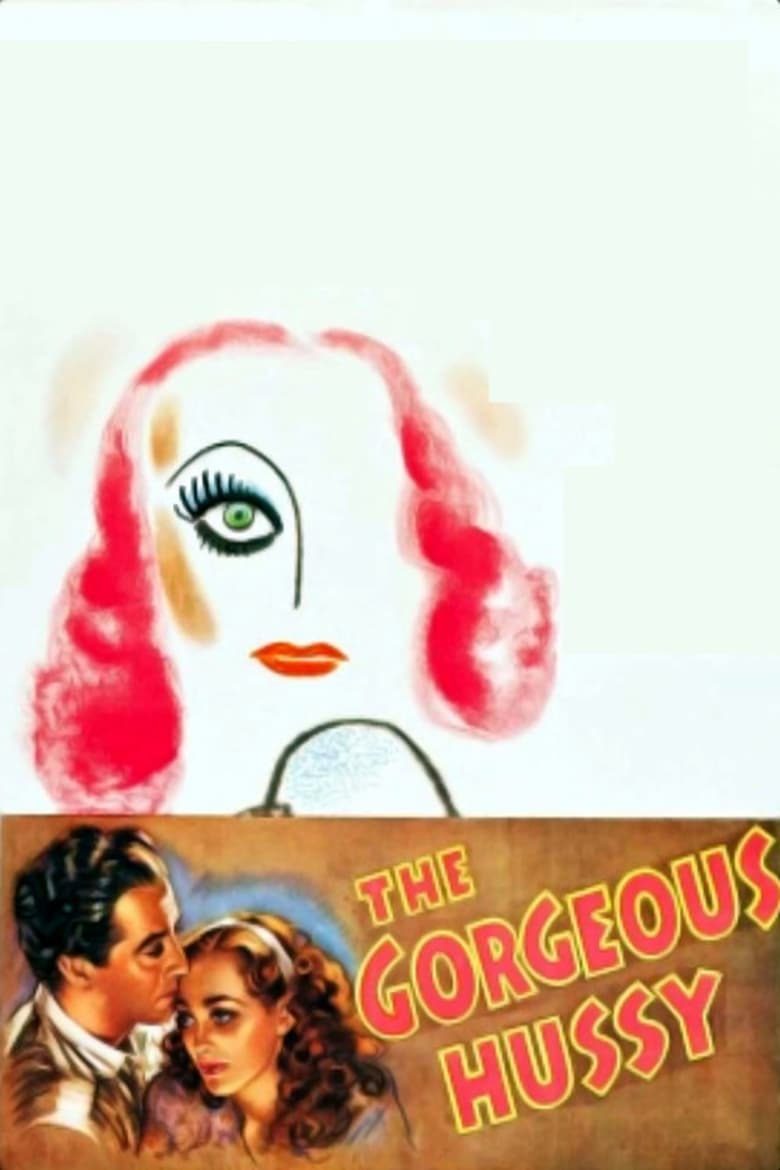
1936
ApprovedDirector
Clarence Brown
Runtime
103 minutes
Average Rating
No ratings yetSynopsis
It's the early nineteenth century Washington. Young adult Margaret O'Neal, Peggy to most that know her, is the daughter of Major William O'Neal, who is the innkeeper of the establishment where most out-of-town politicians and military men stay when they're in Washington. Peggy is pretty and politically aware. She is courted by several of those politicians and military men who all want to marry her, except for the one with who she is truly in love.
Overall Score
Limited
Category Breakdown
LGBTQ+ Representation
The film follows a strictly heteronormative structure. It focuses entirely on the romantic pursuits of the protagonist within 19th-century social norms, offering no non-cisnormative identities.
Gender Representation
Peggy O'Neal serves as a strong-willed protagonist who possesses significant intellectual agency. She actively participates in the political social sphere rather than remaining a passive recipient of courtship.
Racial & Ethnic Diversity
The cast is predominantly homogeneous, reflecting the era's social hierarchy. The narrative depicts a white, Western social structure without characters of color driving the plot.
Religious & Cultural Diversity
The story reinforces traditional Western institutional values and social etiquette. It emphasizes political courtship and the stability of established power structures within the period setting.
Disability Representation
There are no central characters with visible or invisible disabilities. The narrative contains no depictions of neurodivergence or physical impairment.
Strengths
Areas for Improvement
AI Analysis
The Gorgeous Hussy is a traditional historical drama that prioritizes period-specific social hierarchies over intersectional representation. While it offers a nuanced look at female agency through Peggy O'Neal, the film remains deeply rooted in the conventions of its era. The narrative lacks breadth, focusing almost exclusively on a white, Western social landscape. This narrow scope results in a lack of racial, cultural, and LGBTQ+ diversity, making it a conventional biographical piece of the 1930s studio system. Ultimately, the film's strength lies in its character study of a politically aware woman, but it fails to challenge the homogeneous social structures of the 19th century it depicts.
1946
2002

1938
1917
1934
1925
1956
1936

1919
1942
1958
1952
No reviews yet. Be the first to share your thoughts on this movie!
Use the rating form above to leave a star rating and optional review.