The Life Story of David Lloyd George
1918
No user ratings available yet
Representation score: 0.5 out of 10
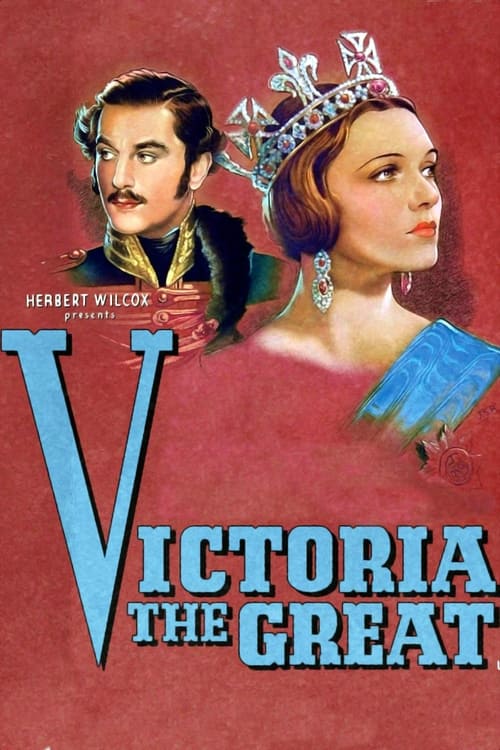
Representation Score
Minimal
1937
Director
Herbert Wilcox
Runtime
112 minutes
Average Rating
No ratings yetNew Showbiz Analysis
Victoria the Great is a traditionalist historical epic that celebrates Western imperial dominance. It emphasizes the stability of established institutions like the monarchy and the Church. The film reinforces the social hierarchies of the Victorian era, with female power linked to traditional domestic roles. Ultimately, it lacks complexity in addressing diverse social issues and maintains a singular moral framework.
Category Breakdown
The film follows strict conventions of the time, focusing solely on the heterosexual marriage between Victoria and Albert. There is no representation of LGBTQ+ identities or queer subtext.
The film centers on Victoria, a female protagonist, but ties her power to her roles as wife and mother. Traditional gender roles are reinforced, with no challenge to these expectations.
The cast is predominantly white, reflecting the Eurocentric perspective of the British Empire. Perspectives from colonized territories are not included.
The monarchy and the Church are portrayed positively, emphasizing patriotism and the sanctity of the Crown. There is no critique of imperial or religious authority.
There is no representation of physical, sensory, or neurodivergent identities. The story focuses on the idealized physical and mental vigor expected of royal leadership.
Present on Screen
Limited or Absent
Official Synopsis
The film biography of Queen Victoria focusing initially on the early years of her reign with her marriage to Prince Albert and her subsequent rule after Albert's death in 1861.
1918

1957
1912
1934
1936
1937
1934
1969
No reviews yet. Be the first to share your thoughts on this movie!
Use the rating form above to leave a star rating and optional review.