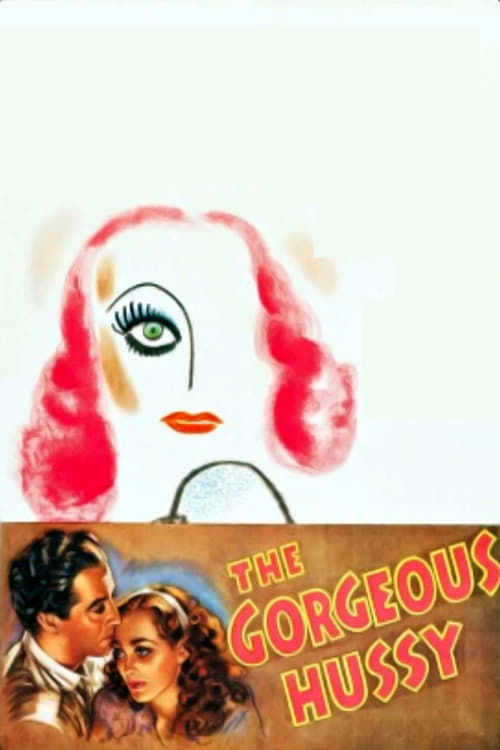
The Gorgeous Hussy
1936
No user ratings available yet
Diversity score: 2.3 out of 10

1946
NRDirector
Frank Borzage
Runtime
95 minutes
Average Rating
No ratings yetSynopsis
While packing her belongings in preparation of evacuating the White House because of the impending British invasion of Washington D.C., Dolly Payne Madison thinks back on her childhood, her first marriage, and later romances with two very different politicians, Aaron Burr and his good friend James Madison. She plays each against the other, not only for romantic reasons, but also to influence the shaping of the young country. By manipulating Burr's affections, she helps Thomas Jefferson win the presidency, and eventually she becomes First Lady of the land herself.
Overall Score
Limited
Category Breakdown
LGBTQ+ Representation
The film lacks LGBTQ+ characters or non-cisnormative identities. It adheres strictly to the heteronormative romantic structures typical of mid-century Hollywood.
Gender Representation
Dolly Madison is portrayed with significant agency rather than as a passive figure. She uses her social and romantic intelligence to influence American political power.
Racial & Ethnic Diversity
The cast is homogeneous, reflecting the era's social constraints. The historical focus on the American founding era results in a lack of racial diversity.
Religious & Cultural Diversity
The narrative celebrates foundational Western institutional structures and political lineage. It reinforces traditional values regarding family and social status without offering systemic critique.
Disability Representation
There are no visible or invisible disabilities portrayed. Characters with disabilities are not utilized as plot devices within the story.
Strengths
Areas for Improvement
AI Analysis
Magnificent Doll offers a complex look at female agency within a historical framework. While the protagonist, Dolly Madison, exerts strategic influence over the nation's trajectory, the film remains a product of its time. The production is limited by a lack of intersectional representation. It focuses almost exclusively on a homogeneous cast and traditional Western narratives, reinforcing established historical hierarchies. Ultimately, the film succeeds in elevating its female lead beyond a decorative role, even as it fails to represent diverse identities or challenge the status quo.
1936
1940
1917
1932
1966
1937

1938
2002

1919
1974

1940
1934
No reviews yet. Be the first to share your thoughts on this movie!
Use the rating form above to leave a star rating and optional review.