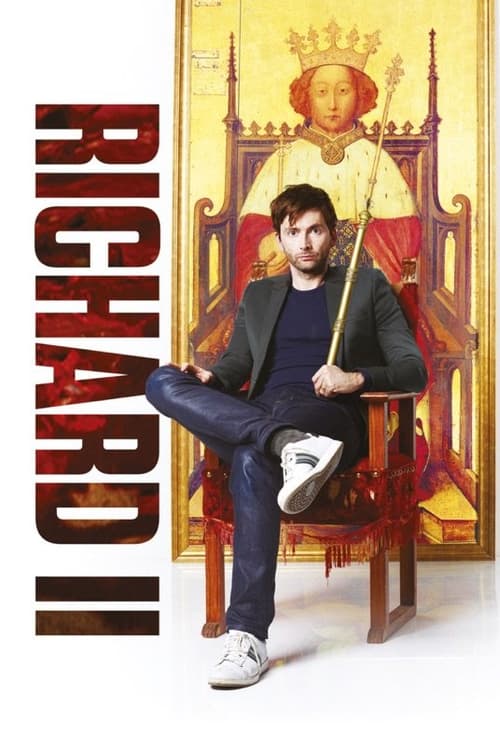
Royal Shakespeare Company - Richard II
2013
No user ratings available yet
Diversity score: 2.4 out of 10
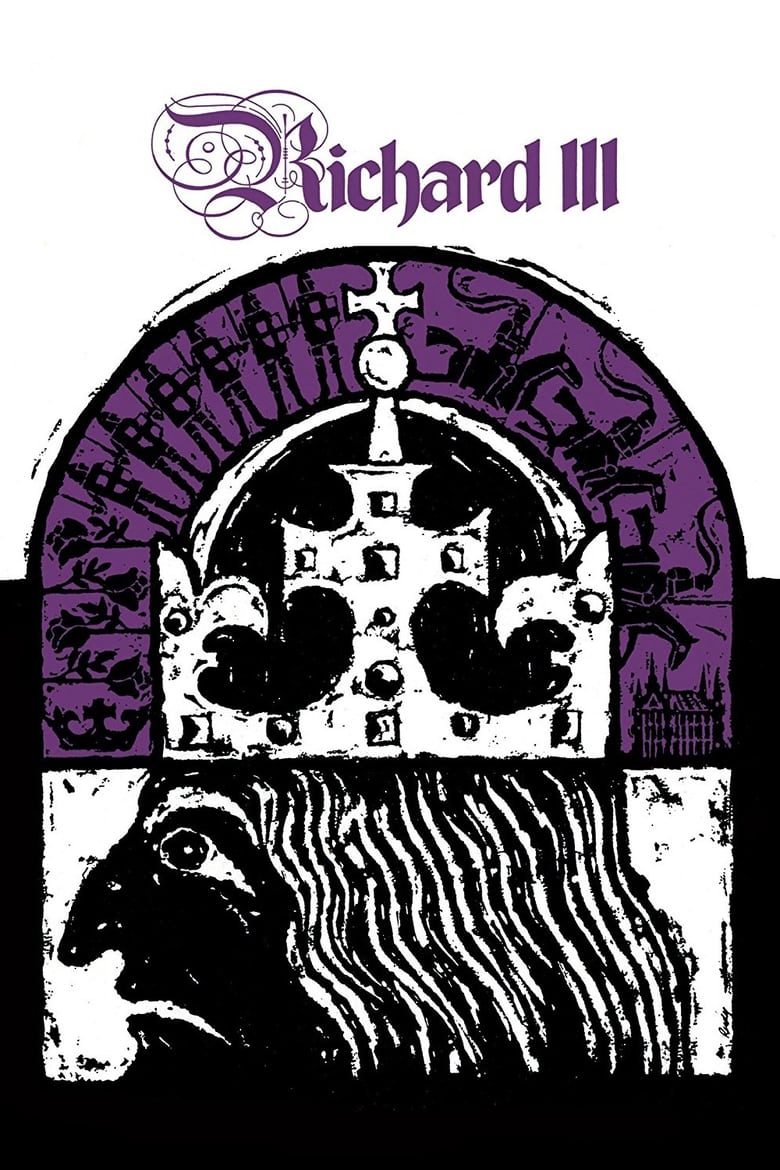
1955
NRDirector
Laurence Olivier
Runtime
155 minutes
Average Rating
No ratings yetSynopsis
Having helped his brother King Edward IV take the throne of England, the jealous hunchback Richard, Duke of York, plots to seize power for himself. Masterfully deceiving and plotting against nearly everyone in the royal court, including his eventual wife, Lady Anne, and his brother George, Duke of Clarence, Richard orchestrates a bloody rise to power before finding all his gains jeopardized by those he betrayed.
Overall Score
Limited
Category Breakdown
LGBTQ+ Representation
The film adheres strictly to heteronormative structures. There is no evidence of non-cisnormative identities or same-sex intimacy, focusing instead on traditional marital and familial bonds.
Gender Representation
Women like Queen Margaret and Lady Anne occupy significant narrative space. However, their agency remains largely reactionary, as they are defined by their relationships to male power structures.
Racial & Ethnic Diversity
The cast reflects the demographic homogeneity of the 15th century. It presents a predominantly white, Anglo-Saxon depiction of English history without race-bent casting or metaphorical diversity.
Religious & Cultural Diversity
The narrative is embedded in traditional Western frameworks, reinforcing the divine right of kings. It portrays the breakdown of monarchy and family as a moral catastrophe.
Disability Representation
Richard’s physical deformity is central to his identity. However, the film uses his disability as shorthand for moral corruption, a common trope in classical drama.
Strengths
Areas for Improvement
AI Analysis
Laurence Olivier’s adaptation is a quintessential example of traditionalist filmmaking. It prioritizes the preservation of historical and moral hierarchies, focusing on the classical Shakespearean interpretation of power and corruption. The film relies heavily on established tropes, particularly regarding disability and gender. While characters are well-defined, they often function to uphold or react to existing social orders rather than challenging them. Ultimately, the production reflects the demographic and social constraints of its era and setting. It offers a conventional depiction of history that lacks intersectional complexity or progressive representation.
2013

1938
1932
1932
1966
1917
2013
1951
1955

2019
1941

1961
No reviews yet. Be the first to share your thoughts on this movie!
Use the rating form above to leave a star rating and optional review.