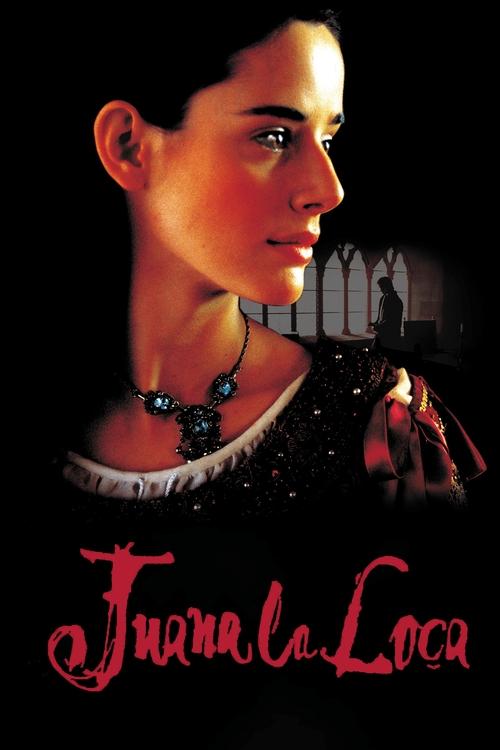
Mad Love
2001
No user ratings available yet
Representation score: 6.0 out of 10
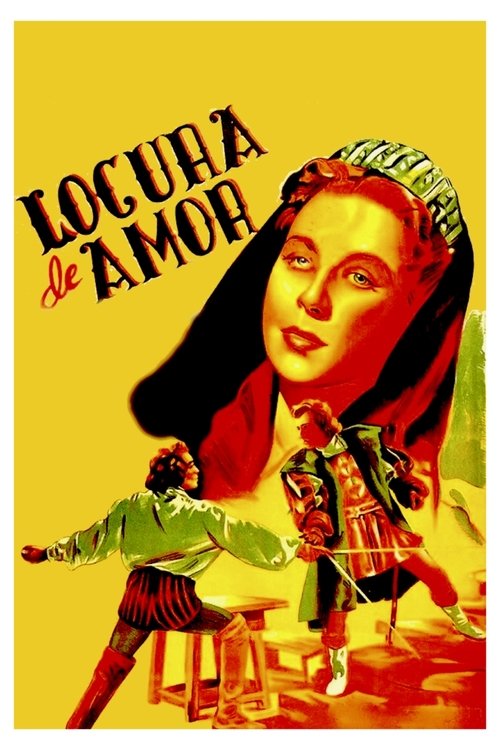
Representation Score
Limited
1948
Director
Juan de Orduña
Runtime
107 minutes
Average Rating
No ratings yetNew Showbiz Analysis
Locura de amor is a traditional historical drama that adheres to the conservative cinematic standards of 1948 Spain. The film prioritizes formalist values and reinforces established social hierarchies rather than challenging them. The narrative centers on a singular, heterosexual romantic tragedy. While the female protagonist is central, her characterization relies on stereotypes of psychological instability and unrequited passion, which limits her influence. Ultimately, the film lacks diverse representation. It functions as a period piece that maintains the status quo of its era's ruling class and religious institutions.
Category Breakdown
The film focuses solely on the heterosexual relationship between Joan of Castile and Philip the Handsome. There is no representation of same-sex relationships or non-binary identities.
Joan of Castile drives the plot, but her actions are often driven by emotional instability and jealousy. The narrative reinforces stereotypes of feminine volatility and centers power on the male sovereign.
Casting reflects the homogeneous European aristocracy of the 15th-century Spanish and Burgundian courts. The film adheres to the established demographic norms of the era's ruling class.
The story is rooted in the religious frameworks of the Catholic Monarchs. It operates within traditionalist paradigms without challenging Western institutional authority or offering critical insights.
The protagonist's descent into madness serves as a central plot device. This portrayal risks using mental instability as a source of narrative chaos rather than exploring neurodivergence with nuance.
Present on Screen
Limited or Absent
Official Synopsis
The passion that Joan of Castile, daughter of the Catholic Kings and heir to the throne, feels for her husband, Philip the Handsome, sovereign of the Netherlands and son of Maximilian of Austria and Mary of Burgundy, is not reciprocated. Her temperament, her jealousy and an unexpected tragedy will throw Joan into the dark realm of madness and obsession with death, the only realm where she will be a true queen…
2001

1957
1947
1963
1959
1969
1952
2024
No reviews yet. Be the first to share your thoughts on this movie!
Use the rating form above to leave a star rating and optional review.