
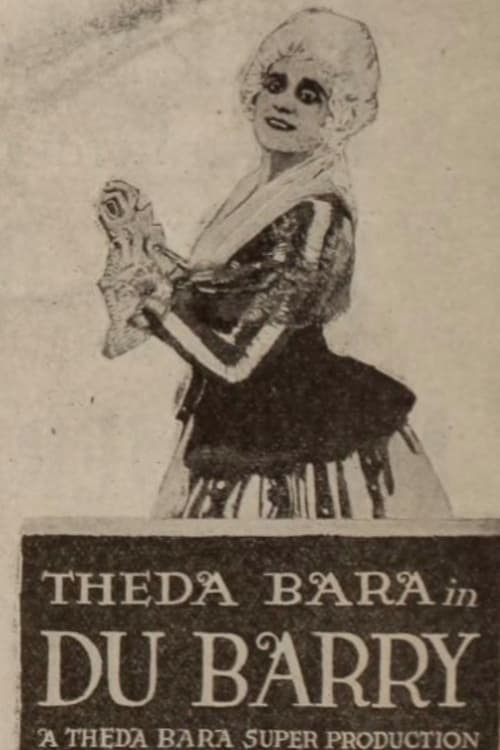
Madame DuBarry
1919
No user ratings available yet
Representation score: 2.5 out of 10
Representation Score
Limited
1917
PassedDirector
J. Gordon Edwards
Runtime
105 minutes
Average Rating
No ratings yetNew Showbiz Analysis
Madame du Barry is a period drama centered on a female protagonist who navigates the strict social hierarchy of the 18th century. She drives the plot by maneuvering the sexual politics of the French court, challenging traditional limitations on female mobility. However, the film is constrained by the demographic standards of its era. The cast is entirely white, and the narrative adheres to strictly heterosexual romantic structures, offering no representation for LGBTQ+ identities or diverse ethnic backgrounds. While the film offers a critique of aristocratic excess and centralized power, it remains a product of its time, operating within narrow social and demographic frameworks.
Category Breakdown
The film focuses solely on heterosexual relationships and traditional monarchy power dynamics. There are no queer subtexts or non-traditional gender identities represented.
Jeanne Bécu is portrayed as a strong female character who uses her influence to navigate the Versailles court. Her rise from poverty to becoming the King's favorite showcases her significant role in driving the story.
The production features a predominantly white cast, reflecting the standards of 1917 cinema. There is no indication of intentional racial diversity.
The story critiques the decadence of the French aristocracy and absolute monarchy. It highlights the socioeconomic gap between the protagonist's humble beginnings and the opulent royal court.
There is no focus on characters with visible or invisible disabilities in this production.
Present on Screen
Limited or Absent
Official Synopsis
After Jeanette becomes the mistress of the ambitious Jean du Barry, he marries her off to one of his cousins so that she has an entre to the royal court. She soon becomes the favorite of the King and Jean du Barry becomes a regular around the court too. But all this is disturbed when Madame du Barry falls for Conte Brissac of the King's Guard. Jean du Barry's attempts to expose her affair only get him banished from the court.
1919
1934
2006
1975
1912

1957
1925

1989
No reviews yet. Be the first to share your thoughts on this movie!
Use the rating form above to leave a star rating and optional review.