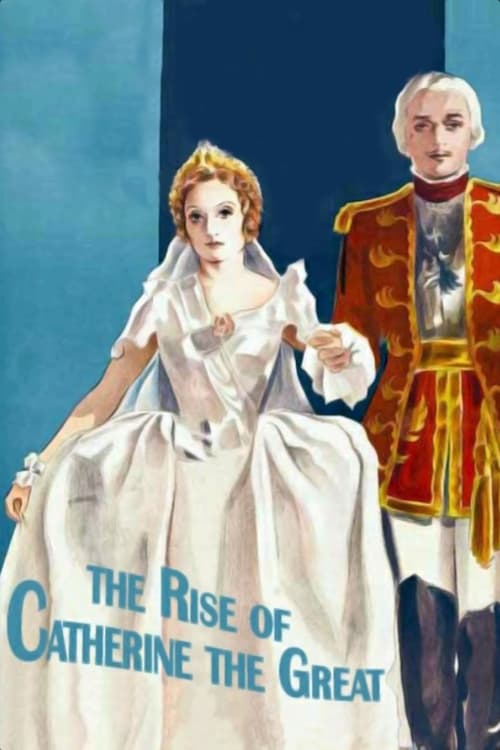
The Rise of Catherine the Great
1934
No user ratings available yet
Diversity score: 3.7 out of 10
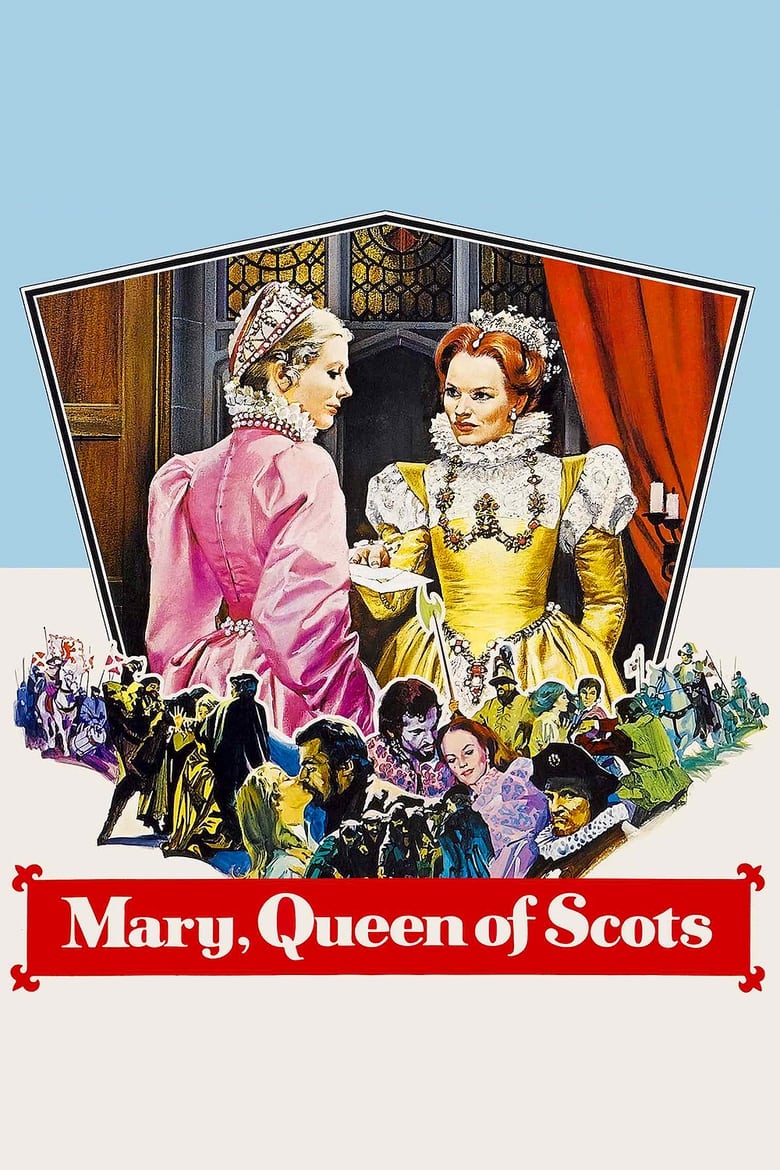
1971
PG-13Director
Charles Jarrott
Runtime
128 minutes
Average Rating
No ratings yetSynopsis
Mary Stuart, who was named Queen of Scotland when she was only six days old, is the last Roman Catholic ruler of Scotland. She is imprisoned at the age of 23 by her cousin Elizabeth Tudor, the English Queen and her arch adversary. Nineteen years later the life of Mary is to be ended on the scaffold and with her execution the last threat to Elizabeth's throne has been removed. The two Queens with their contrasting personalities make a dramatic counterpoint to history.
Overall Score
Limited
Category Breakdown
LGBTQ+ Representation
The film adheres strictly to 16th-century social mores. There are no depictions of non-heteronormative identities or queer subtext, as character arcs focus on male consorts and patriarchal political standing.
Gender Representation
The narrative centers on female sovereignty, placing Mary Stuart and Elizabeth I at the apex of power. These women navigate male-dominated councils with intellectual and political agency that challenges traditional tropes of female passivity.
Racial & Ethnic Diversity
The cast is almost entirely homogeneous, reflecting the historical context of 16th-century Scotland and England. It functions as a traditional European period piece without modern intersectional casting.
Religious & Cultural Diversity
The film explores the friction between Roman Catholicism and Protestantism through political pragmatism. It portrays religious institutions as tools for statecraft rather than simple moral binaries.
Disability Representation
There is no significant focus on physical or neurodivergent disabilities. Characters are presented within idealized aristocratic physical standards, with no characters with disabilities serving as meaningful narrative drivers.
Strengths
Areas for Improvement
AI Analysis
The film excels in its portrayal of female leadership, centering the entire drama on the political agency of two powerful women. It successfully subverts gender hierarchies by showing protagonists who manipulate male-dominated advisory councils. However, the production is limited by its historical homogeneity. The lack of racial, LGBTQ+, and disability representation results in a narrow demographic profile that aligns strictly with the era's social constraints. Ultimately, while it provides a deep study of female political power, the film operates within a traditionalist Western framework that lacks modern intersectional breadth.
1934
1961
1954

1919
2016
1941
1974
2006
2006
1972
1955
1963
No reviews yet. Be the first to share your thoughts on this movie!
Use the rating form above to leave a star rating and optional review.