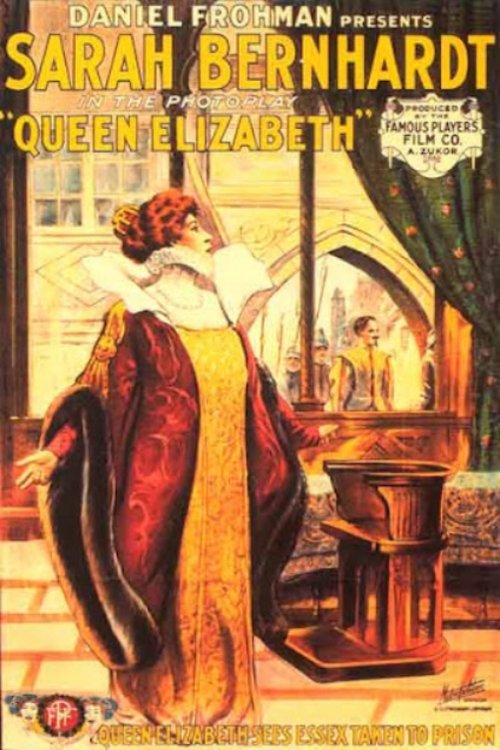
Queen Elizabeth
1912
No user ratings available yet
Representation score: 1.8 out of 10
Representation Score
Limited
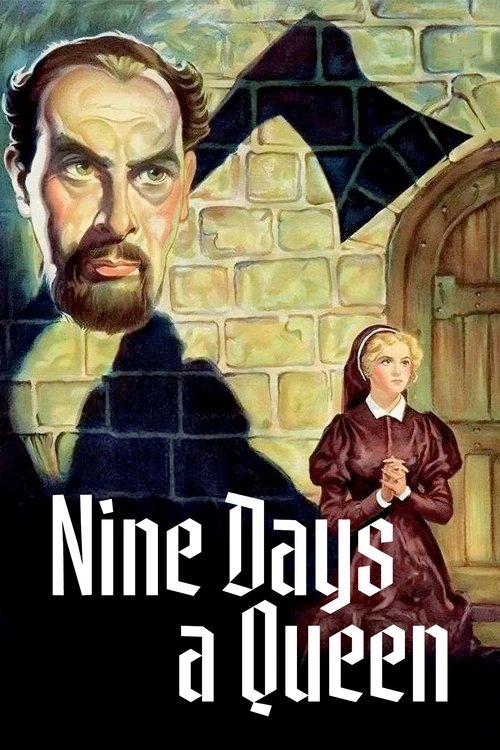
1936
TV-PGDirector
Robert Stevenson
Runtime
80 minutes
Average Rating
No ratings yetNew Showbiz Analysis
Tudor Rose is a conventional historical tragedy that adheres to the traditional cinematic values of the 1930s. It functions as a standard period drama, focusing on the fatalistic downfall of Lady Jane Grey within the rigid structures of the English monarchy. The film lacks intentionality regarding diverse representation or the disruption of social hierarchies. Instead, it reinforces the era's standard social and political structures through a narrow, homogeneous lens. Ultimately, the production is a product of its time, prioritizing established historical narratives over contemporary social exploration.
Category Breakdown
The film focuses on traditional heterosexual family dynamics typical of the Tudor era. There is no evidence of diverse gender identities or critiques of traditional social structures.
Lady Jane Grey holds a position of power, yet her role is limited by the men in the Tudor court. The narrative follows the cliché of a tragic female figure overshadowed by male political machinations.
The production depicts a strictly Anglo-Saxon environment. Reflecting the limitations of 1936, the casting and setting appear almost entirely homogeneous.
The story operates within traditional Western historical frameworks. It emphasizes the authority of the Crown and Church rather than offering critiques of these institutions.
There is no indication of characters with disabilities being portrayed with significant roles. In this era, such portrayals were rarely central to the narrative.
Present on Screen
Limited or Absent
Official Synopsis
The tragic story of Lady Jane Grey, the young queen who reigned in England for nine days before she was executed.
1912

1963
1937

1957
1936
1969

1919

1934
No reviews yet. Be the first to share your thoughts on this movie!
Use the rating form above to leave a star rating and optional review.