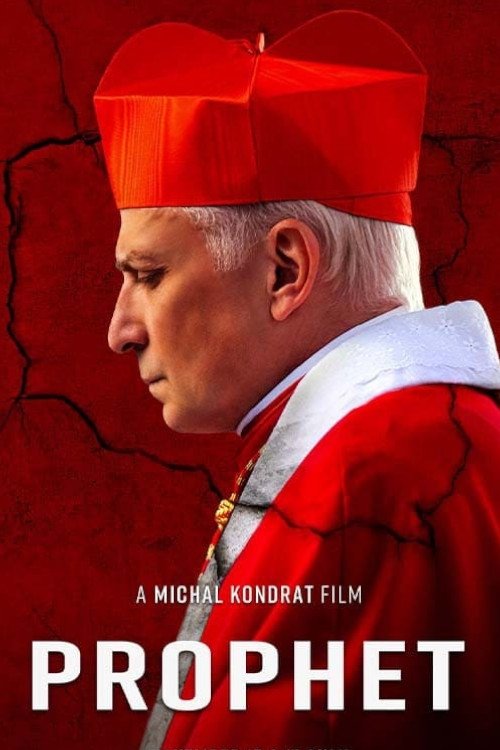
Prophet
2022
No user ratings available yet
Representation score: 1.7 out of 10
Representation Score
Minimal
2009
Director
Rafał Wieczyński
Runtime
180 minutes
Average Rating
No ratings yetNew Showbiz Analysis
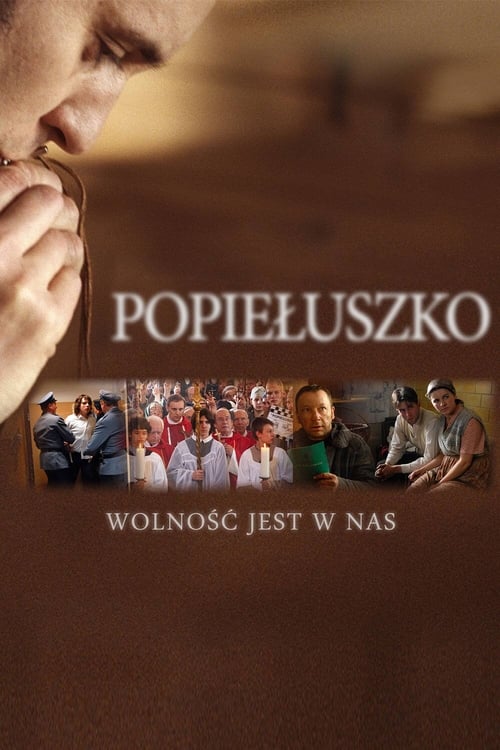
Popiełuszko: Freedom Is Within Us is a biographical drama that prioritizes historical hagiography and national memory. The film's structure is designed to reinforce established religious and social hierarchies rather than deconstruct them. The narrative is deeply rooted in a specific Polish identity and Catholic tradition, resulting in a homogeneous portrayal of race, gender, and sexuality. Ultimately, the film functions as a localized historical chronicle emphasizing the spiritual and political authority of a male religious leader within a specific 20th-century cultural context.
Category Breakdown
The film centers on Catholic priesthood and the struggle against a communist regime. It operates within traditional religious frameworks and lacks LGBTQ+ characters or narratives that challenge assumptions about straight relationships.
The narrative focuses on masculine roles of leadership, martyrdom, and spiritual authority. While women exist within the historical context, the central arc is driven by a male figure.
As a historical drama set in 20th-century Poland, the casting and focus are inherently homogeneous. It functions as a localized chronicle of Polish national identity.
The film celebrates the Catholic Church as a pillar of resistance. It promotes Christian morality and positions religious faith as the primary source of strength against the state.
There is no evidence to suggest that disability serves as a central thematic element or a driver of character's ability to drive the story in this work.
Present on Screen
Limited or Absent
Official Synopsis
Story of life of Father Jerzy Popieluszko, the priest called "The Solidarity Chaplain", murdered by communist secret police.
2022

2020
2018
2005
2021
2008

2024
1955
No reviews yet. Be the first to share your thoughts on this movie!
Use the rating form above to leave a star rating and optional review.