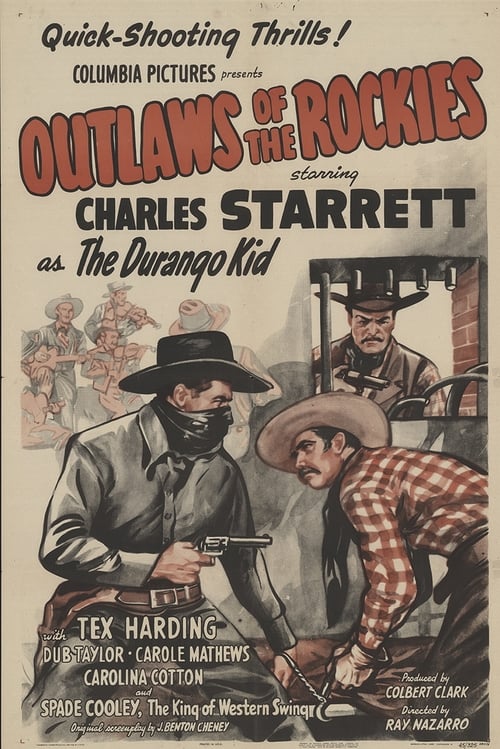
Outlaws of the Rockies
1945
No user ratings available yet
Representation score: 0.9 out of 10
Representation Score
Minimal
1950
PassedDirector
Ray Nazarro
Runtime
55 minutes
Average Rating
No ratings yetNew Showbiz Analysis
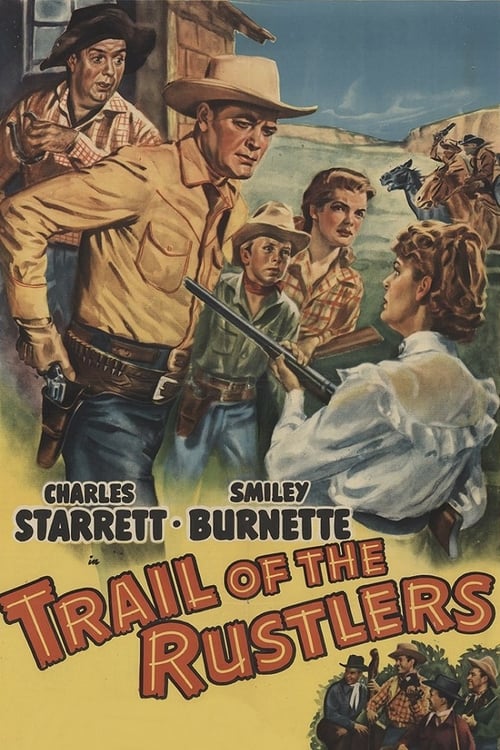
Trail of the Rustlers is a classic mid-century B-Western that adheres to traditional genre conventions. The narrative centers on the Durango Kid's masculine role, reinforcing established hero-versus-outlaw archetypes. The film upholds the social hierarchies of its time, presenting a homogeneous perspective centered around Anglo-Saxon protagonists and traditional values. The production lacks the intention to challenge demographic norms. It serves as a typical example of 1950s filmmaking, where characters are defined by rigid, conventional social roles.
Category Breakdown
The film follows strict 1950s social norms and does not include any non-cisgender identities or same-sex relationships.
The story emphasizes the masculine role of Charles Starrett, while female characters have passive roles, often serving as domestic anchors or figures needing protection.
The film upholds traditional racial hierarchies of the 1950s, centering on Anglo-Saxon protagonists and lacking characters of color with significant roles.
The plot supports traditional Western institutions and a singular moral framework, emphasizing the restoration of law and order through individual heroism.
There are no neurodivergent or physically disabled characters given significant roles. Disability is not a central theme in the film.
Present on Screen
Limited or Absent
Official Synopsis
Charles Starrett goes up against an entire family of criminals posing as respectable citizens in this entry in Columbia's long-running Durango Kid Western series.
1945
1948
1948

1951
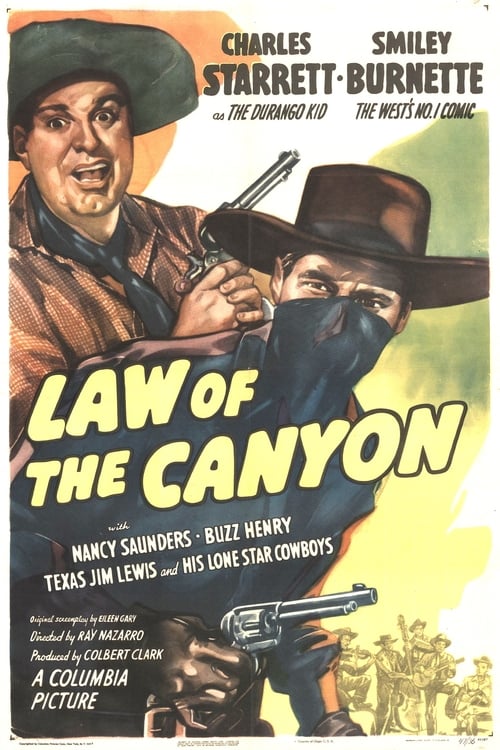
1947
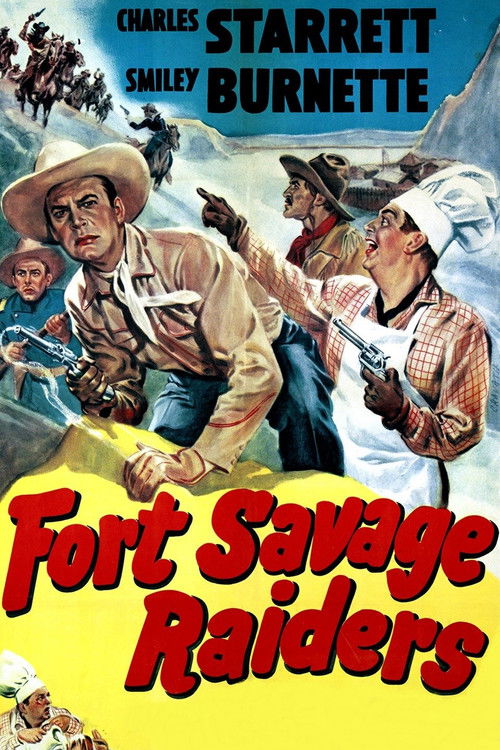
1951
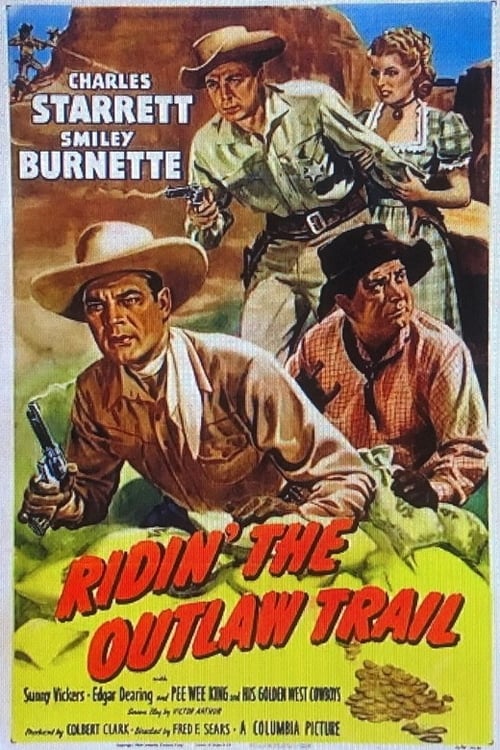
1951
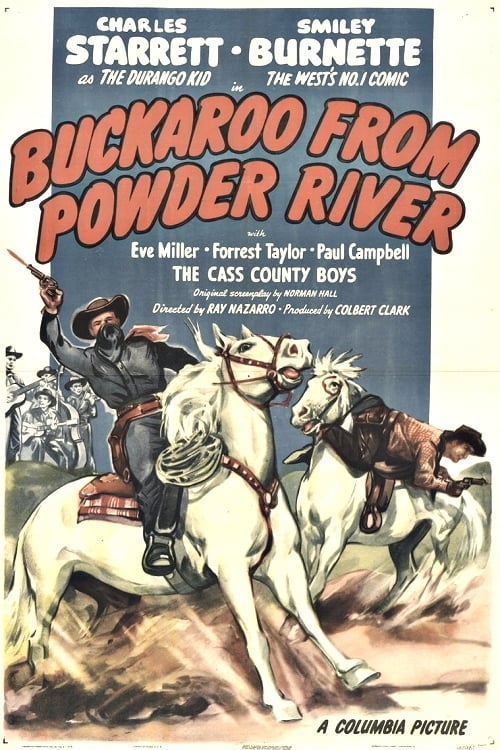
1947
No reviews yet. Be the first to share your thoughts on this movie!
Use the rating form above to leave a star rating and optional review.