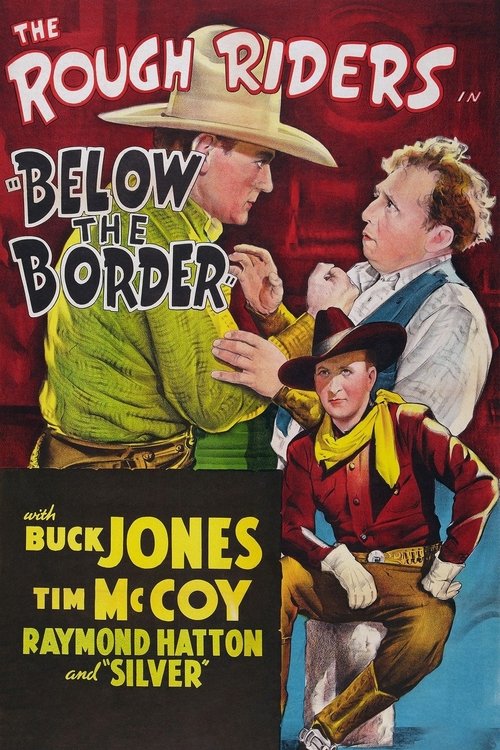
Below the Border
1942
No user ratings available yet
Representation score: 1.2 out of 10
Representation Score
Minimal
1942
ApprovedDirector
Howard Bretherton
Runtime
58 minutes
Average Rating
No ratings yetNew Showbiz Analysis
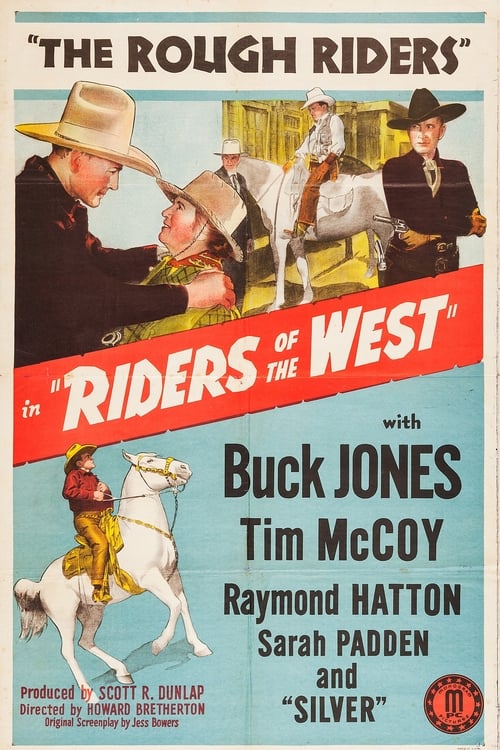
Riders of the West is a typical 1940s B-Western that closely follows the genre’s traditional social structures. The plot centers on a conflict between U.S. Marshals and a corrupt gang, emphasizing traditional masculine roles and law enforcement dynamics. The film lacks complexity in its portrayal of diverse identities, presenting a homogeneous social structure typical of the era. Characters are defined by established Western settler roles, with little room for diverse perspectives or non-traditional identities. Overall, the film serves as a morality play reinforcing the status quo of the frontier, focusing on restoring justice through a narrow, traditional lens.
Category Breakdown
The film focuses on traditional masculine roles such as Marshals and outlaws. It does not include any non-conforming gender identities or same-sex relationships.
Men take center stage through law enforcement and criminal activities. Ma Turner, while influential, operates within a traditional matriarchal role rather than as a main character.
The story revolves around local conflicts among bankers, saloon owners, and ranchers. It does not feature diverse ethnic or non-Anglo-Saxon characters.
The narrative emphasizes traditional Western institutions like the legal system and ranches. It follows a conventional morality play focused on law, order, and property protection.
The film does not provide any information about the portrayal of physical or neurodivergent disabilities.
Present on Screen
Limited or Absent
Official Synopsis
Ma Turner of Red Bluff sends for U.S.Marshal Buck Roberts to investigate a series of wide-spread rustling in the area. Town banker Miller, saloon-owner Duke Mason and the crooked sheriff are in cahoots with rancher John Holt, but they double-cross and kill him. His son Steve witnesses the murder and kills the sheriff. Buck arrives and arrests Steve. Marshal Tim McCall, posing as an outlaw, gains the confidence of the gang and engineers the escape, with Buck's knowledge, of Steve from the jail. Sandy Hopkins, the third Marshal of the trio, poses as a peddler and learns that the gang intends to do away with Buck and rides to the Turner ranch to warn him. Red, a Turner ranch hand but also a member of the gang, overhears Buck telling Ma that Tim is really a U.S. Marshal, and he has Miller and Mason informed. Written by Les Adams
1942
1942
1942
1946
1940
1943
1946
1931
No reviews yet. Be the first to share your thoughts on this movie!
Use the rating form above to leave a star rating and optional review.