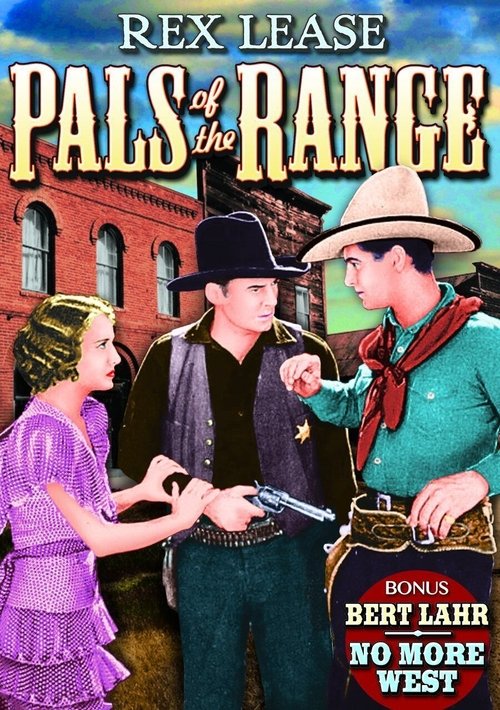
Pals of the Range
1935
No user ratings available yet
Diversity score: 1.6 out of 10
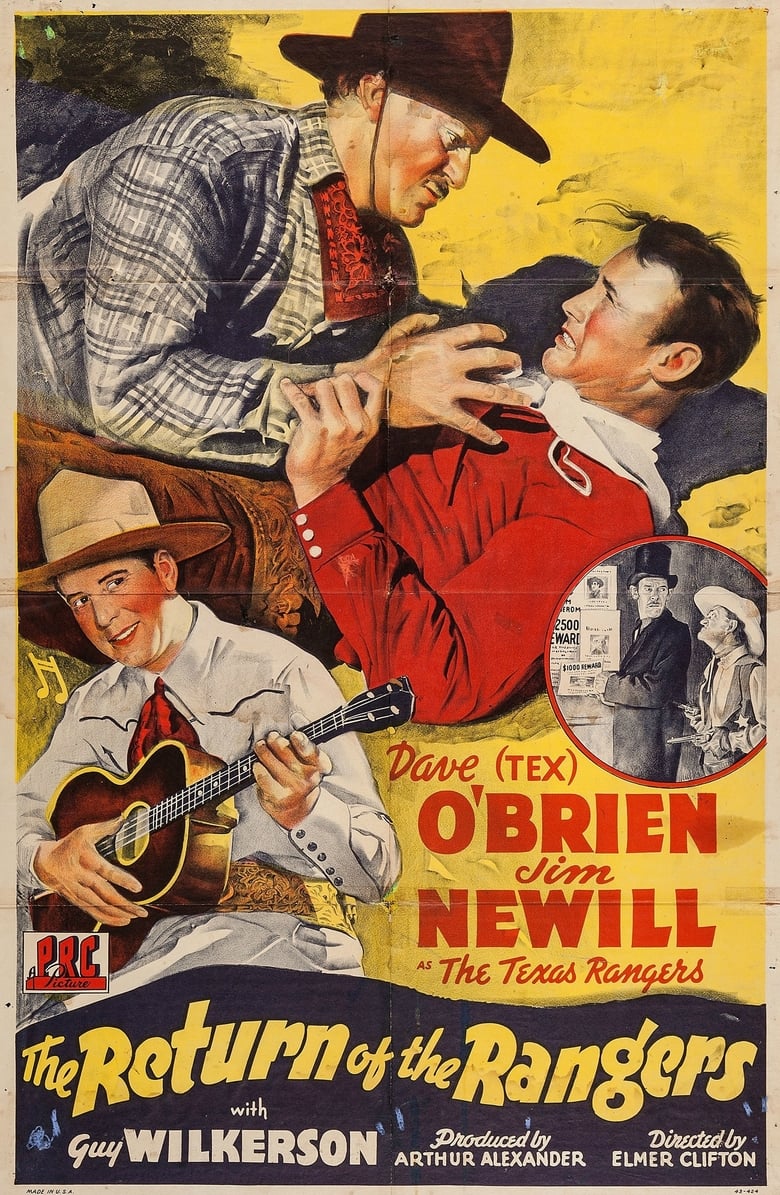
1943
ApprovedDirector
Elmer Clifton
Runtime
55 minutes
Average Rating
No ratings yetSynopsis
The Texas Rangers round up rustlers by masquerading as the same. Trouble ensues when while in disguise one of the Rangers is accused of a killing.
Overall Score
Minimal
Category Breakdown
LGBTQ+ Representation
The narrative is strictly heteronormative, reflecting the social constraints of the 1940s. There is no presence of non-cisnormative identities or depictions of same-sex intimacy.
Gender Representation
The film reinforces traditional hierarchies within a male-dominated military environment. Female characters are relegated to secondary, supportive roles like nurses or romantic interests.
Racial & Ethnic Diversity
The cast is predominantly homogeneous, focusing on a white American military unit. The film lacks depth for non-white characters, reinforcing a dominant Western military identity.
Religious & Cultural Diversity
This patriotic cinema promotes traditional institutions like the military and the state as inherently virtuous. It lacks any critique of Western hegemony or existing social orders.
Disability Representation
There is no discernible focus on physical or neurodivergent disabilities. Characters are presented through the lens of idealized military capability.
Strengths
Areas for Improvement
AI Analysis
The Return of the Rangers serves as a quintessential example of mid-century patriotic cinema, designed to bolster national morale through traditional genre filmmaking. The narrative architecture is built to affirm established social hierarchies rather than subvert them. Representation is minimal across the board. The film operates within a strictly heteronormative and white-centric framework, focusing on a homogeneous military unit. Gender roles are rigid, with agency concentrated almost exclusively in male characters. Ultimately, the film functions as a tool for stabilizing and celebrating the existing political order. It prioritizes nationalistic duty and military discipline, offering no meaningful diversity or critique of the era's prevailing social norms.
1935
1938
1942
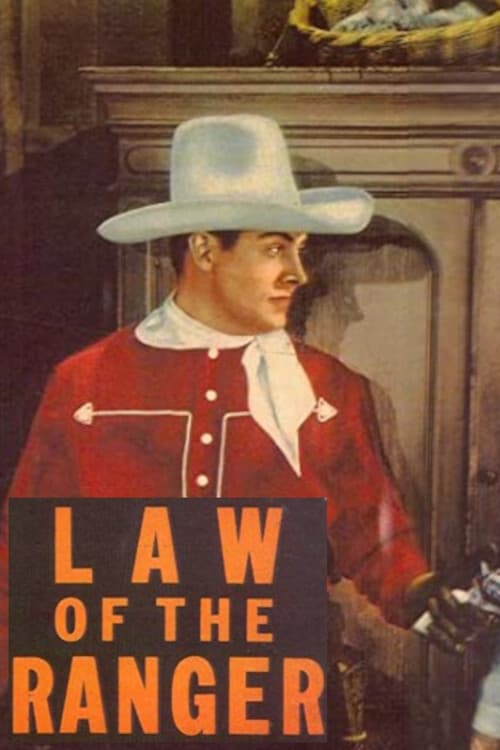
1937
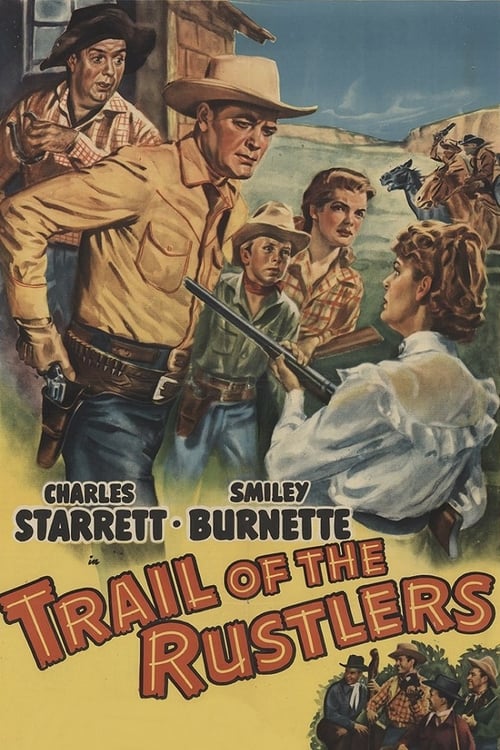
1950
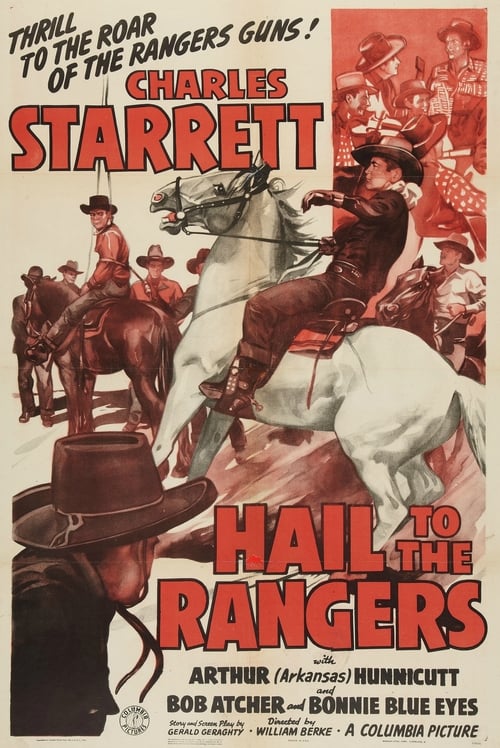
1943

1940
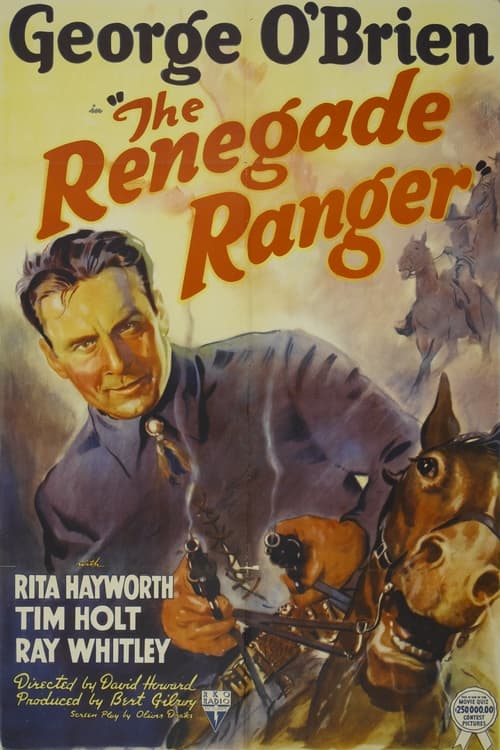
1938
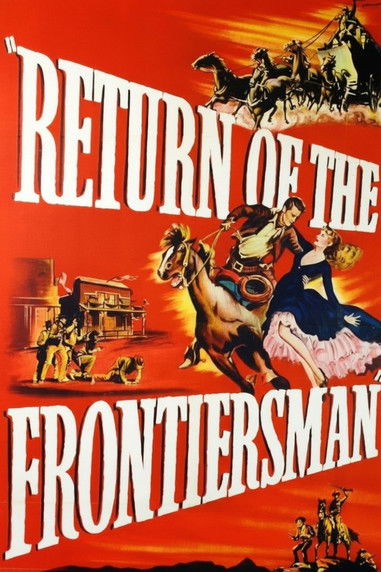
1950
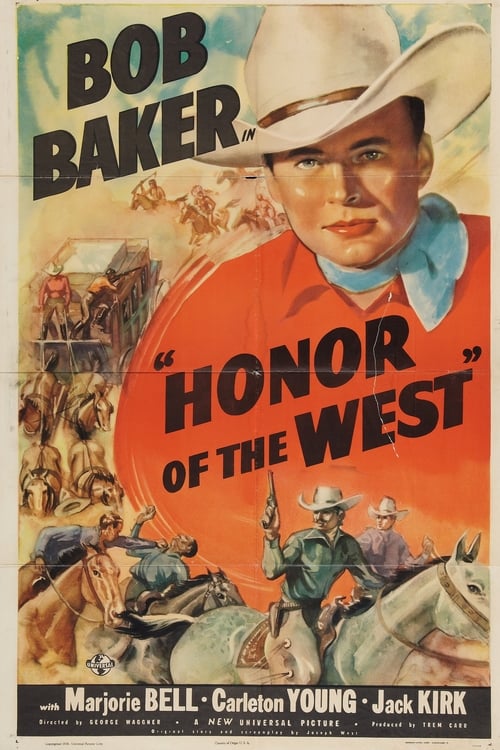
1939
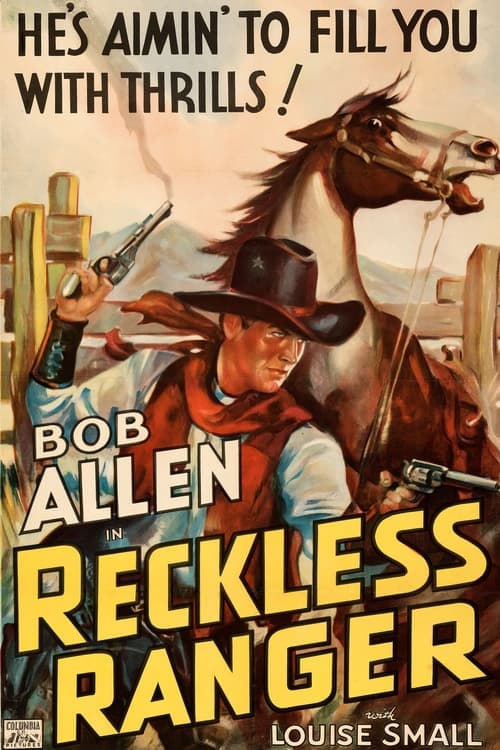
1937
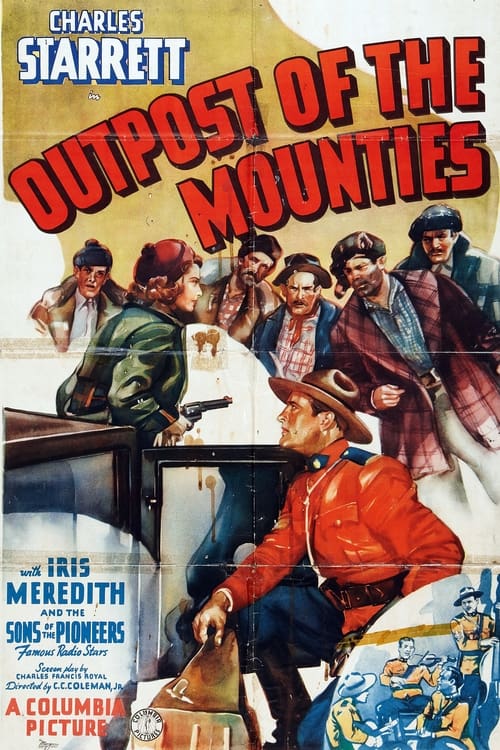
1939
No reviews yet. Be the first to share your thoughts on this movie!
Use the rating form above to leave a star rating and optional review.