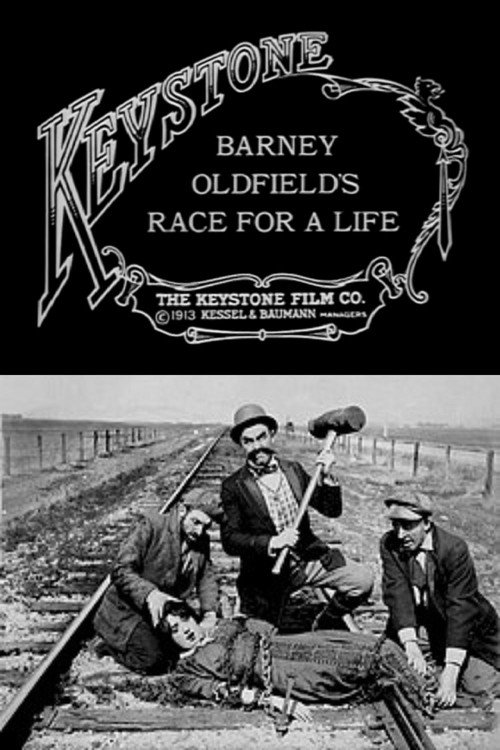
Barney Oldfield's Race for a Life
1913
No user ratings available yet
Representation score: 1.8 out of 10

Representation Score
Minimal
1928
NRDirector
Ted Wilde
Runtime
86 minutes
Average Rating
No ratings yetNew Showbiz Analysis
Speedy is a classic example of silent-era cinema, relying on well-established social hierarchies and traditional character types. The narrative emphasizes the male protagonist's physical comedy and role, reinforcing the gender norms of the time. The film presents a homogeneous view of New York City, lacking in racial or cultural diversity. It functions as a straightforward commercial comedy rather than a tool for social critique. Overall, the film adheres to the non-diverse cinematic standards of early 20th-century American cinema, emphasizing individual perseverance within a conventional social context.
Category Breakdown
The film focuses on a typical romance between a male lead and a female love interest. There are no depictions of non-binary or LGBTQ+ identities.
The story revolves around the gender roles of the 1920s, where the male protagonist drives the action, while the female character mainly motivates him.
The film depicts a mostly uniform urban environment in New York City. There is no significant representation of minority communities or diverse casting.
The story explores the tension between traditional practices and industrial progress. However, it operates as a commercial comedy rather than a critical look at societal structures.
There are no notable portrayals of neurodivergence or physical disabilities. The slapstick humor relies on common comedic clichés without addressing lived experiences of disability.
Present on Screen
Limited or Absent
Official Synopsis
A hapless young man living in New York City rallies to save his girlfriend's grandfather's horse-drawn trolley, the last in the city, from being put out of business by a railroad company.
1913
1927
1913

1928

1924
1928

1923

1922
No reviews yet. Be the first to share your thoughts on this movie!
Use the rating form above to leave a star rating and optional review.