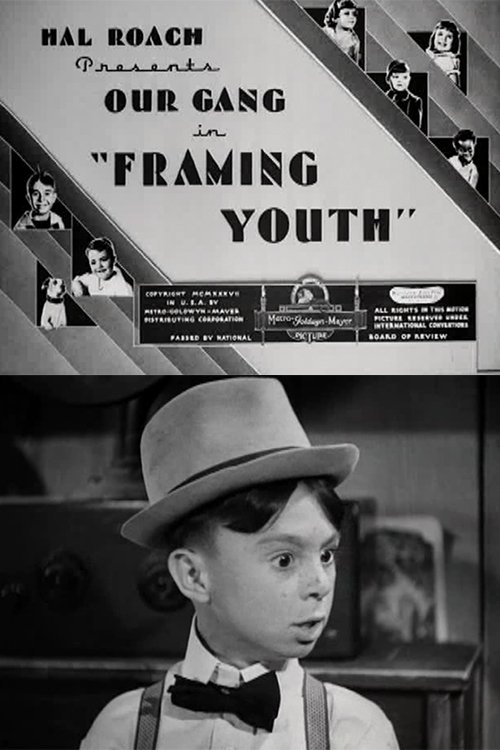
Framing Youth
1937
No user ratings available yet
Representation score: 1.6 out of 10

Representation Score
Minimal
1938
PassedDirector
George Sidney
Runtime
10 minutes
Average Rating
No ratings yetNew Showbiz Analysis
Party Fever is a product of the 1930s studio system, adhering to the conventional social hierarchies of its time. The narrative centers on a competitive pursuit of a female character, limiting the scope of its social dynamics. The film relies on established clichés such as the 'prize' female lead and traditional community celebrations, prioritizing stability and standard social roles over any meaningful disruption of the status quo. Ultimately, the work reinforces existing demographic and gender norms without expanding them.
Category Breakdown
The story revolves around a romantic competition among three male characters, with no representation of LGBTQ+ identities or perspectives.
Darla is portrayed as a prize for the male protagonists to compete over, reinforcing traditional gender hierarchies where women play secondary roles.
The film follows the homogeneous casting norms of 1930s family comedies, with no indication of diverse racial or ethnic representation.
The story highlights traditional community cohesion through events like the Strawberry Festival, emphasizing standard civic participation.
The film does not include any visible representation or character development related to physical or neurodivergent disabilities.
Present on Screen
Limited or Absent
Official Synopsis
Alfalfa, Butch and Waldo compete for Mayor For A Day. Whoever becomes Mayor gets to take Darla to the Strawberry Festival.
1937
1939
1937
1935
1933
1939
1940
1933
No reviews yet. Be the first to share your thoughts on this movie!
Use the rating form above to leave a star rating and optional review.