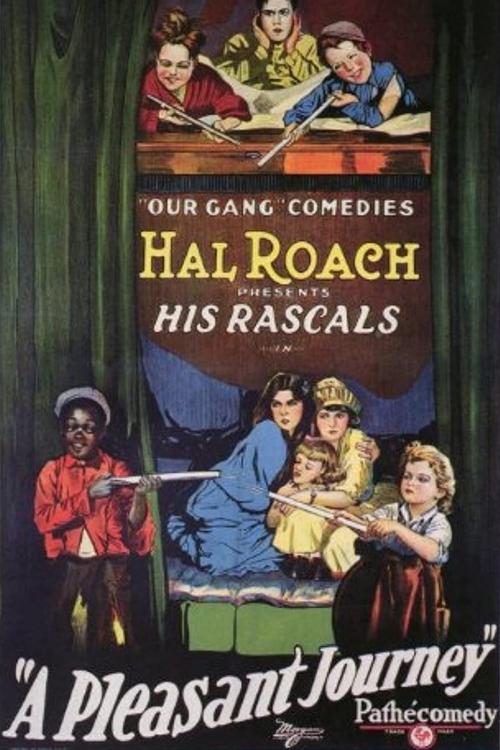
A Pleasant Journey
1923
No user ratings available yet
Representation score: 3.2 out of 10
Representation Score
Limited
1929
Director
Robert F. McGowan
Runtime
19 minutes
Average Rating
No ratings yetNew Showbiz Analysis
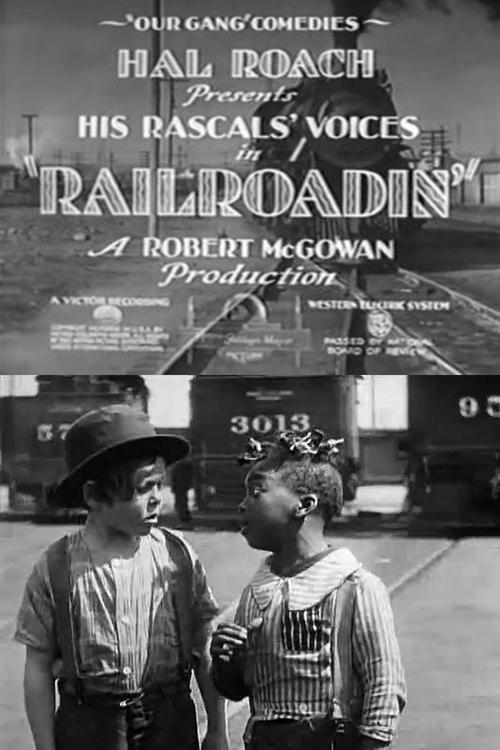
Railroadin' is a traditional comedic short that relies on established social norms. While it includes a Black character named Farina, the film maintains the social structures of the 1920s. The narrative emphasizes the importance of adult guidance and safety norms. This focus limits the potential for challenging social power dynamics, as the plot supports traditional family values. Overall, the film upholds the status quo of 1929 social structures, using slapstick and dream sequences to reinforce traditional family and institutional values.
Category Breakdown
The film does not include any LGBTQ+ characters or non-cisgender identities. It follows the social norms of the late 1920s.
The story focuses on young male characters and a father figure. It does not challenge gender hierarchies or feature female characters driving the plot.
Farina, a Black character, adds important representation for the time. However, she is often placed in stressful, slapstick situations involving physical danger.
The story upholds traditional Western values and emphasizes the importance of paternal authority. The dream sequences reinforce the value of adult guidance and industrial safety.
The film does not depict any visible or invisible disabilities.
Present on Screen
Limited or Absent
Official Synopsis
The gang is playing around the railroad station, and Joe and Chubby's father, an engineer, lectures against the kids playing in such a dangerous area. True to his word, after Joe and Chubby's father leaves, a crazy man starts a train with most of the kids on it, save for Farina who is nearly run over several times. Once Farina manages to climb aboard himself, the kids attempt to stop the runaway locomotive, but have no luck until the engine crashes into a grocery truck. As it turns out, however, the entire incident is revealed to be a dream Farina had as Joe and Chubby's father lectured the kids about rail-yard safety.
1923
1928
1933
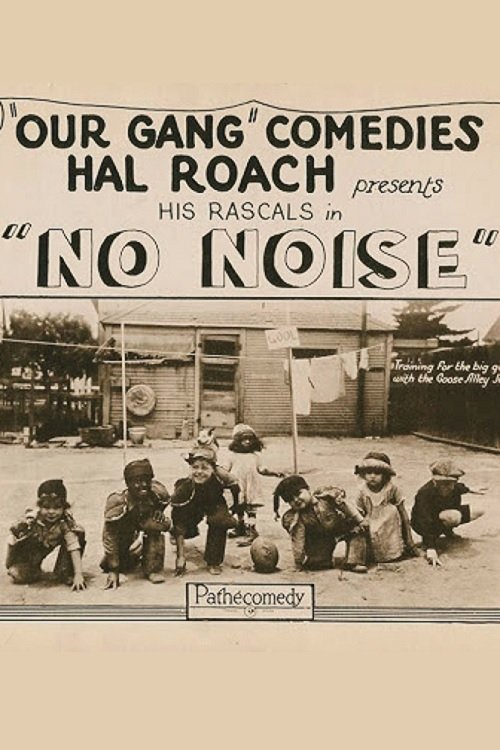
1923
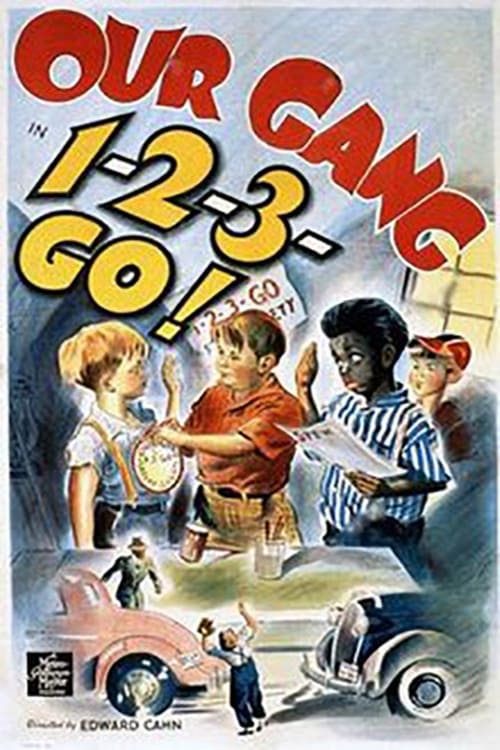
1941
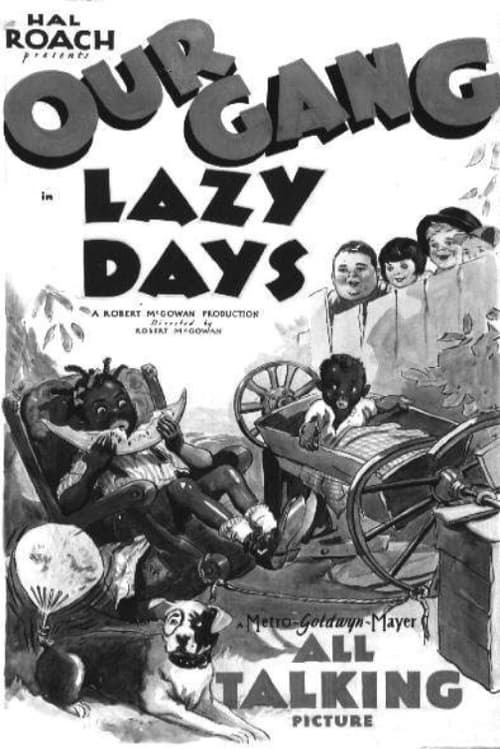
1929
1924
1933
No reviews yet. Be the first to share your thoughts on this movie!
Use the rating form above to leave a star rating and optional review.