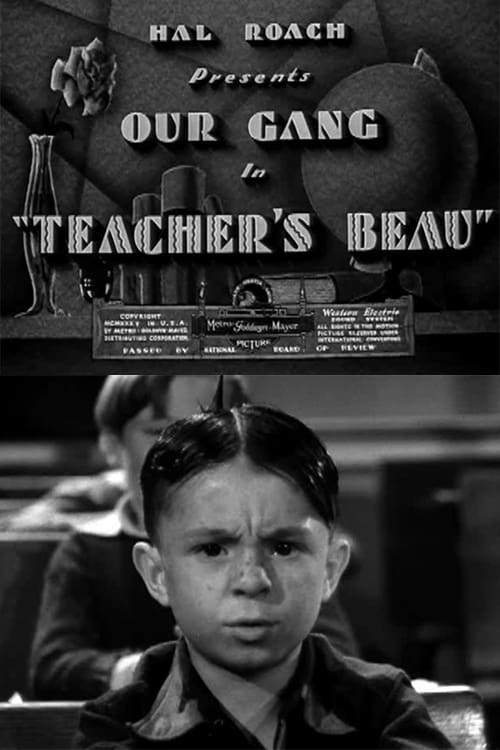
Teacher's Beau
1935
No user ratings available yet
Representation score: 0.7 out of 10
Representation Score
Minimal
1933
PassedDirector
Harry Edwards
Runtime
20 minutes
Average Rating
No ratings yetNew Showbiz Analysis
This 1933 short film serves as a typical example of the early sound era, relying on established social hierarchies and traditional character types. The narrative centers around a male protagonist, with female characters often serving as objects of his attention or as participants in slapstick scenarios. The film reflects the demographic and social norms of its time, providing entertainment without offering deeper character development.
Category Breakdown
The film contains no evidence of non-assuming gender matches what was assigned at birth identities or same-sex intimacy. The story focuses on traditional comedic interactions between a teacher, a bakery owner, and students.
The film focuses on traditional gender roles where a male teacher's actions dominate the story. Female characters, such as Dora, have less influence and are often secondary to the male protagonist's desires.
The movie adheres to the demographic norms of the 1930s, featuring an ensemble cast that appears to be predominantly white without any evidence of diverse casting.
The story revolves around conventional community settings like schools and local businesses. It includes a commercial radio advertisement without questioning the societal norms of the time.
There is no depiction of physical or neurodivergent disabilities in this film.
Present on Screen
Limited or Absent
Official Synopsis
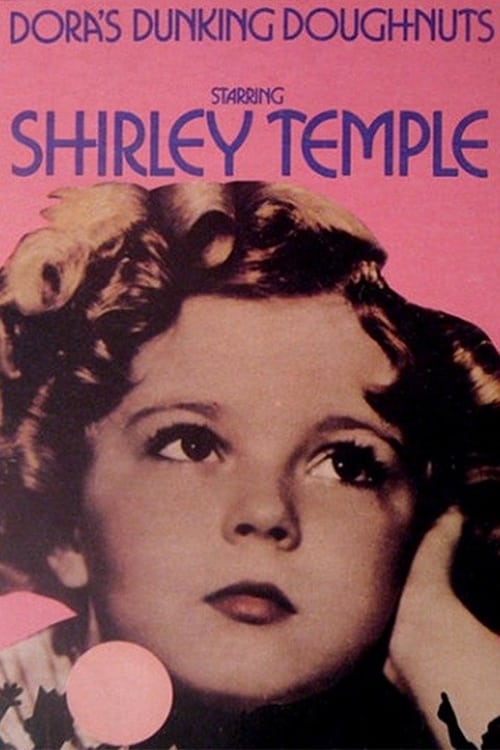
A schoolteacher helps his friend Dora by getting his students to help him to make a radio commercial.
1935
1937
1937
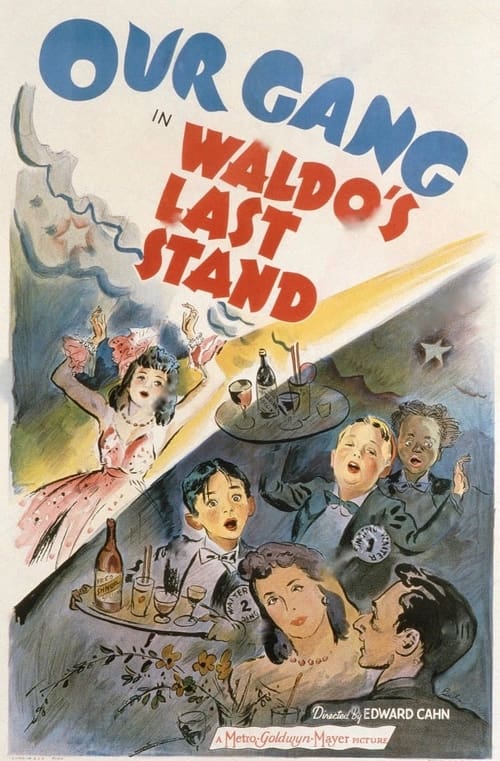
1940
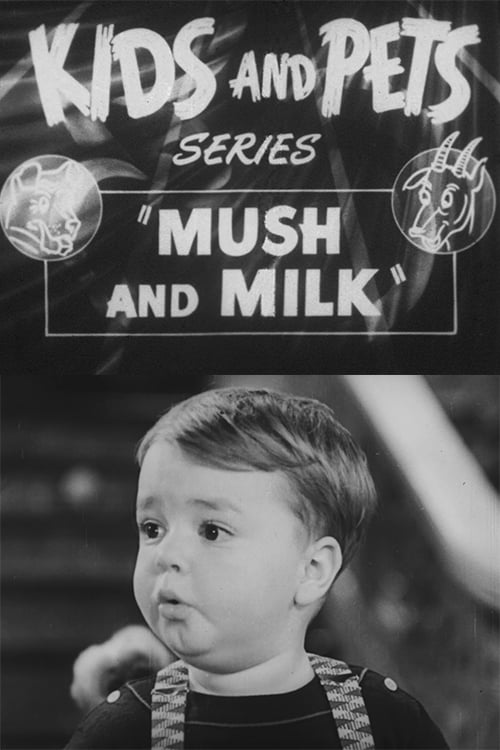
1933
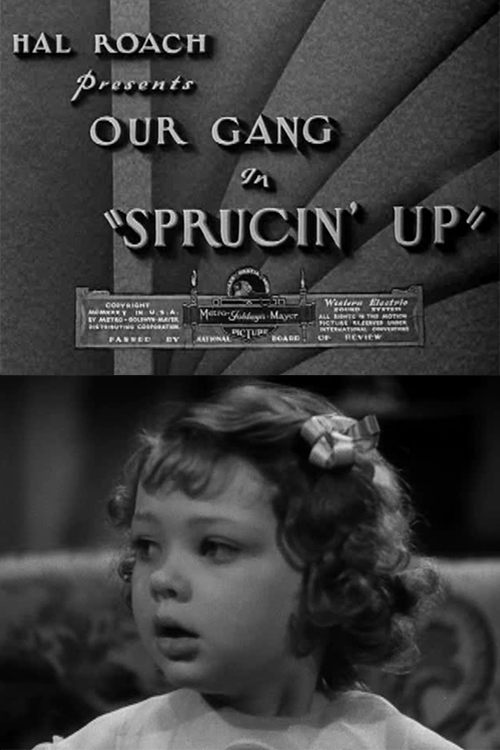
1935
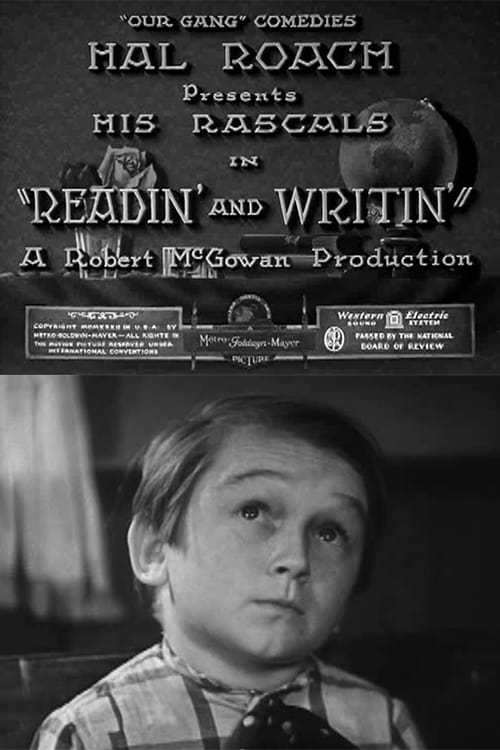
1932
1932
No reviews yet. Be the first to share your thoughts on this movie!
Use the rating form above to leave a star rating and optional review.