Show People
1928
No user ratings available yet
Representation score: 2.1 out of 10
Representation Score
Minimal
1932
PassedDirector
Clyde Bruckman
Runtime
96 minutes
Average Rating
No ratings yetNew Showbiz Analysis
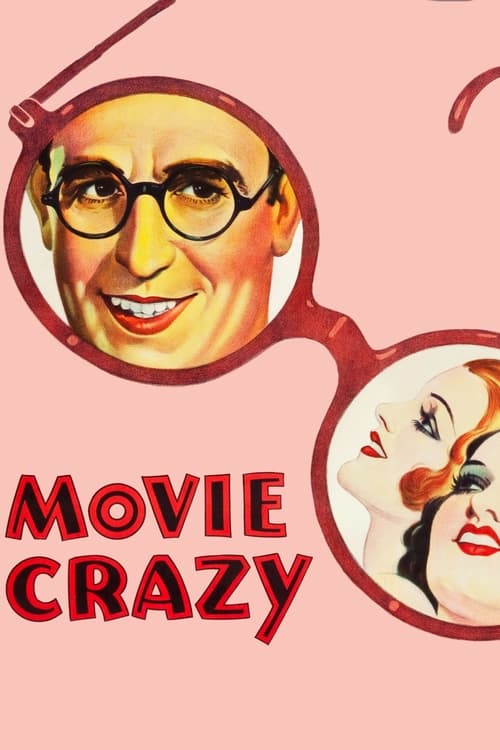
Movie Crazy is a comedy set in the early days of Hollywood that captures the chaotic energy of pre-Code filmmaking. It reflects the cultural norms of its time, focusing on situational humor and traditional romantic structures. The film does not intentionally address social disruption or systemic issues. It operates within a historically white-centric framework and offers no meaningful representation for LGBTQ+ individuals or people with disabilities.
Category Breakdown
The film does not include any LGBTQ+ characters or narratives. Romantic relationships follow traditional courtship patterns typical of the 1930s.
Female characters have some wit and play significant roles, but the film does not challenge traditional gender hierarchies. The plot centers on romantic relationships and professional success without critiquing systemic issues.
The cast is predominantly made up of actors from similar backgrounds, reflecting the era's production standards. There is no significant racial or ethnic diversity or depth in character development.
The film portrays Hollywood through a lens of comedic chaos rather than institutional critique. It adheres to the moral and social norms of its time.
There are no depictions of physical or cognitive disabilities. Characters are portrayed as fully able-bodied performers and industry professionals.
Present on Screen
Limited or Absent
Official Synopsis
After a mix-up with his application photograph, an aspiring actor is invited to a screen test and goes off to Hollywood.
1928
1925
1947
1934
1933
1928
1939

1928
No reviews yet. Be the first to share your thoughts on this movie!
Use the rating form above to leave a star rating and optional review.