
Wedding Worries
1941
No user ratings available yet
Representation score: 0.7 out of 10
Representation Score
Minimal
1940
ApprovedDirector
Edward L. Cahn
Runtime
10 minutes
Average Rating
No ratings yetNew Showbiz Analysis
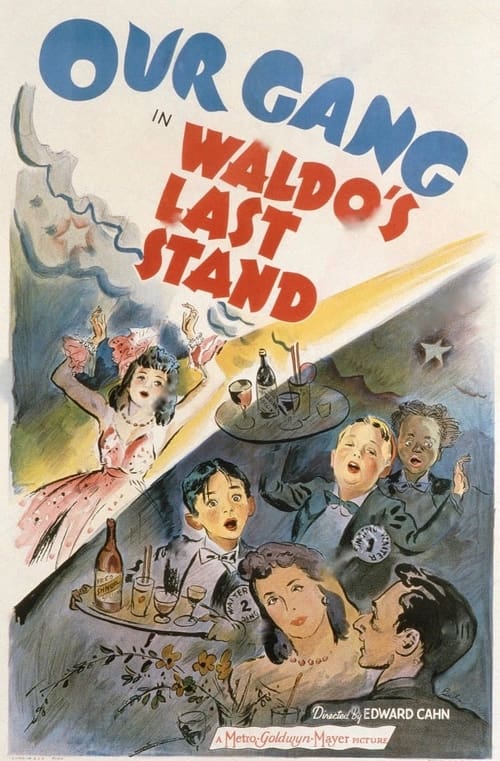
Waldo's Last Stand is a period-typical family comedy that adheres strictly to the social and demographic norms of 1940. The narrative focuses on a group of children staging a nightclub performance to support a lemonade stand, emphasizing traditional entertainment values. The film lacks complexity in representing diverse identities, following the standard, homogeneous patterns of the era's studio system. It emphasizes traditional social roles and communal play without exploring varied perspectives.
Category Breakdown
The film does not depict any non-straight relationships or same-sex intimacy. The plot centers around traditional family entertainment values.
Darla Hood gains some prominence as a star vocalist during the club performance. However, female roles are focused on aesthetic performance rather than leadership.
There is no indication of a multi-ethnic cast. The production likely reflects the homogeneous casting practices of the 1940s studio system.
The story celebrates traditional social cohesion and small-scale entrepreneurship. It reinforces established Western social structures through communal play and organized group activities.
The film provides no information regarding the inclusion or portrayal of characters with physical or neurodivergent disabilities.
Present on Screen
Limited or Absent
Official Synopsis
The gang offers to help their pal Waldo attract customers to his lemonade stand. Redecorating their clubhouse as a lavish nightclub, the kids stage an elaborate floor show, with Darla Hood as the star vocalist.
1941
1954
1939
1933
1942
1934
1937
1932
No reviews yet. Be the first to share your thoughts on this movie!
Use the rating form above to leave a star rating and optional review.