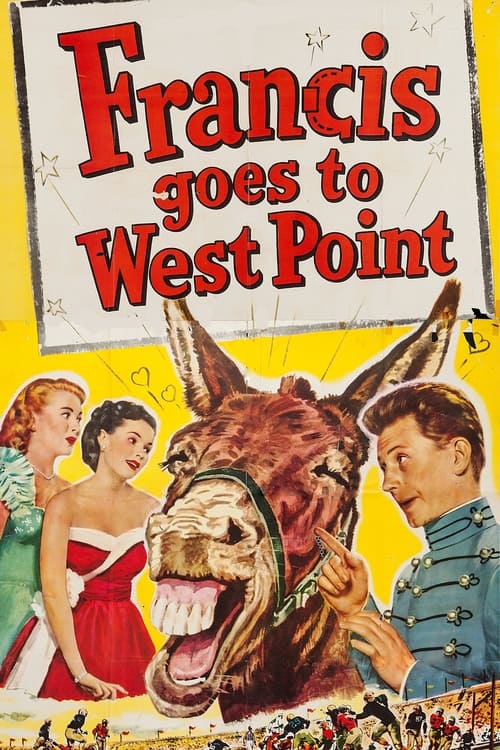
Francis Goes to West Point
1952
No user ratings available yet
Representation score: 0.6 out of 10
Representation Score
Limited
1951
NRDirector
Arthur Lubin
Runtime
88 minutes
Average Rating
No ratings yetNew Showbiz Analysis
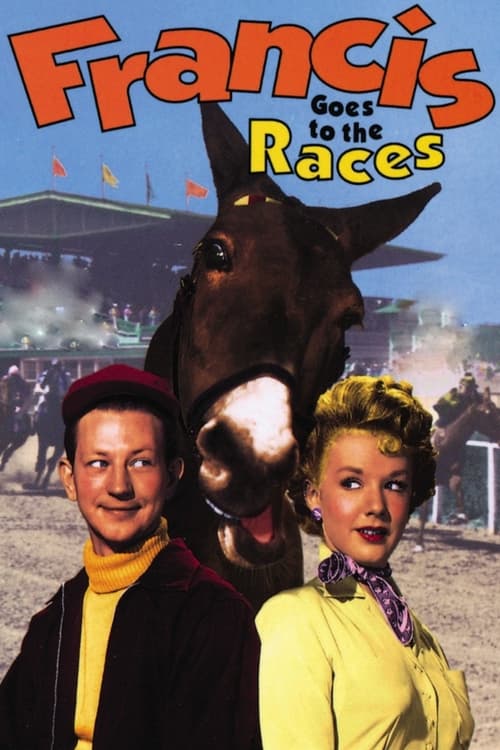
Francis Goes to the Races is a product of the 1951 studio system, prioritizing escapist comedy over social diversity. The narrative relies heavily on established mid-century clichés, focusing on a singular cultural perspective and traditional social hierarchies. The film presents a homogeneous world where characters fulfill standard archetypes, reinforcing traditional gender roles and capitalist values without offering much disruption to the social norms of its time. Ultimately, the film functions as a conventional success story, emphasizing traditional values and social structures.
Category Breakdown
The film adheres to traditional heterosexual norms, focusing on the protagonist's pursuit of a romantic interest without delving into non-traditional gender identities.
Gender roles are traditional for the era, with the female lead serving mainly as a romantic motivator for the male protagonist, while men drive the plot through financial and physical actions.
The narrative centers on a homogeneous social structure, lacking diverse representation of different racial or ethnic backgrounds.
The story aligns with mid-century Western values, emphasizing entrepreneurship and property protection, presenting a standard morality play with clear distinctions between good and evil.
The film uses fantasy elements, such as a talking mule, rather than exploring disabilities, using a horse's lack of confidence as a comedic device instead of a meaningful representation.
Present on Screen
Limited or Absent
Official Synopsis
In this funny sequel to the popular Francis the Talking Mule, the talkative Mule and his pal Peter get a job working on a horse-breeder's ranch. They end up saving it from financial ruin when Francis, who has the inside track with the racehorses, provides Peter with names of the winners before the races are run. Sure enough Peter finds himself with a fistful of cash and uses it to buy a racehorse for the farm. Unfortunately, the horse he chooses is suffering from a debilitating lack of confidence. When not dealing with the mare, Peter finds time to court the horse breeder's niece and trying to avoid the gangsters who want in on the winnings.
1952
1937
1950
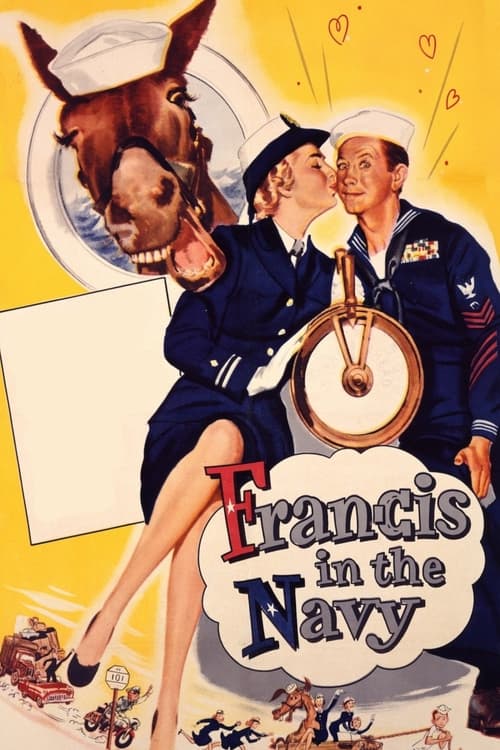
1955
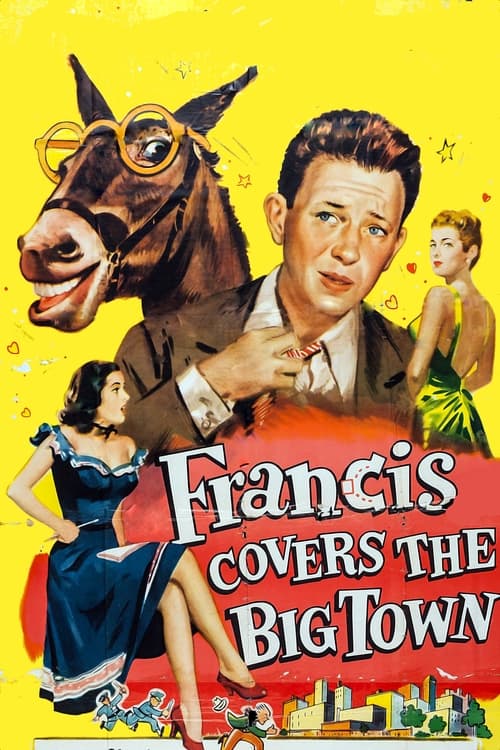
1953
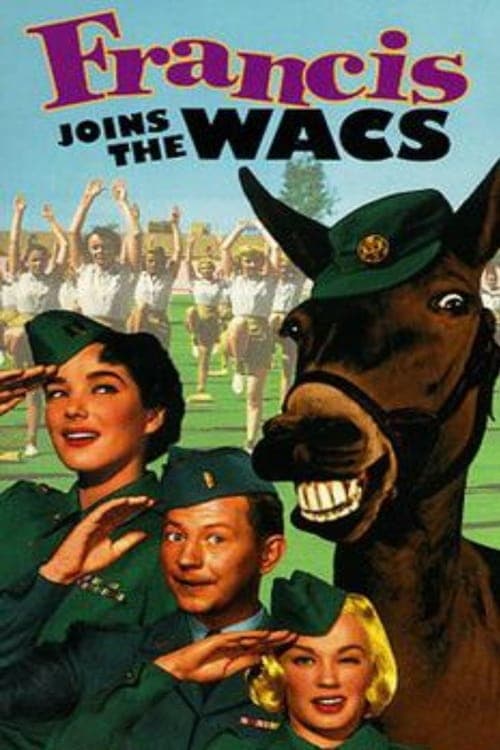
1954
1959
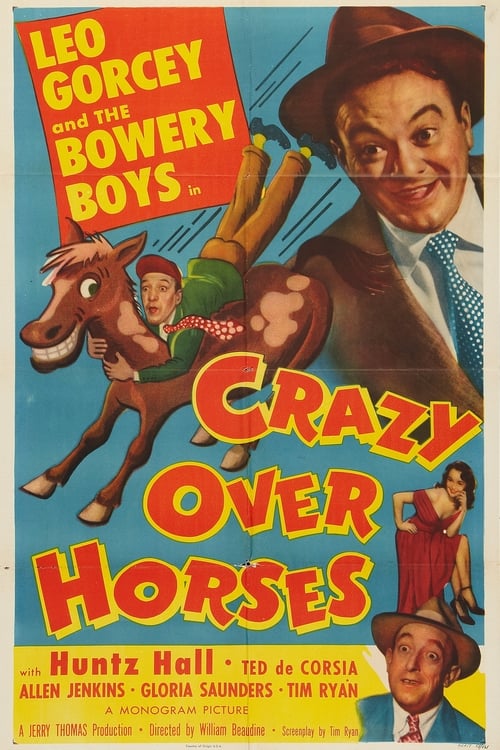
1951
No reviews yet. Be the first to share your thoughts on this movie!
Use the rating form above to leave a star rating and optional review.