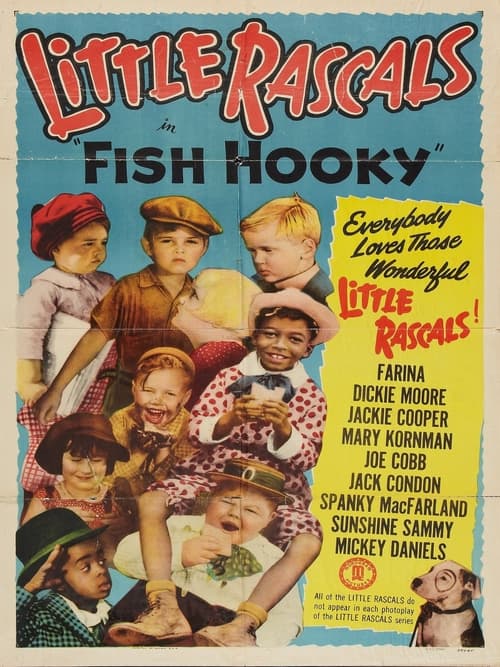
Fish Hooky
1933
No user ratings available yet
Representation score: 1.9 out of 10
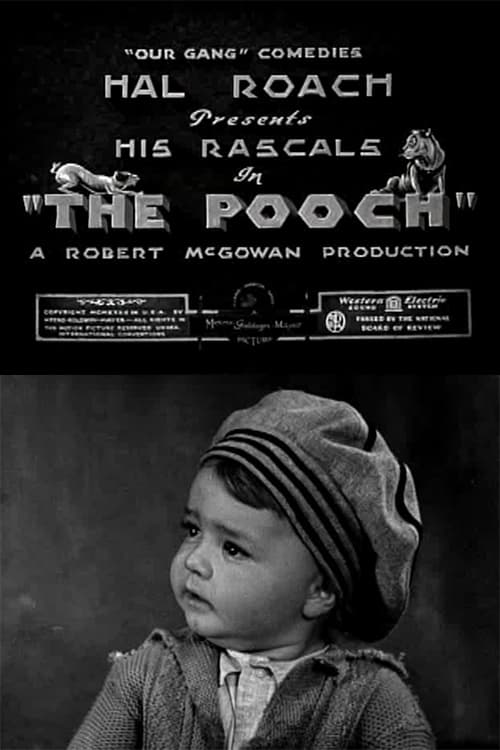
Representation Score
Limited
1932
PassedDirector
Robert F. McGowan
Runtime
20 minutes
Average Rating
No ratings yetNew Showbiz Analysis
The film's worth lies in its potential to challenge social hierarchies through a plot driven by a diverse group of children. By making the municipal authority the antagonist, the narrative highlights the power of community action over institutional control. Though limited by the 1932 historical context, the director's history suggests a more inclusive approach to casting than was typical then. The score reflects this blend of historical constraints and the director's history of social disruption. Overall, the film lacks explicit complexity in reflecting multiple aspects of identity but succeeds in showing grassroots problem-solving among a diverse group of children.
Category Breakdown
The film does not include any characters with non-binary gender identities or same-sex relationships. It seems to follow the assumption that everyone is straight or cisgender, which was common in 1932 family films.
Female characters in McGowan's work often show independence and strength. However, the specific stories of individual characters are not fully verified, so the overall representation is moderate due to the time period.
McGowan's past work includes casts with various ethnicities, suggesting a diverse group of actors. However, the depth of involvement for characters of different races is not confirmed.
The story centers around children defying city rules to save a pet. This setup hints at a quiet rebellion against traditional respect for authority.
There is no indication of characters with visible or invisible disabilities in the available information.
Present on Screen
Limited or Absent
Official Synopsis
The gang tries to save Petey from the dogcatcher.
1933
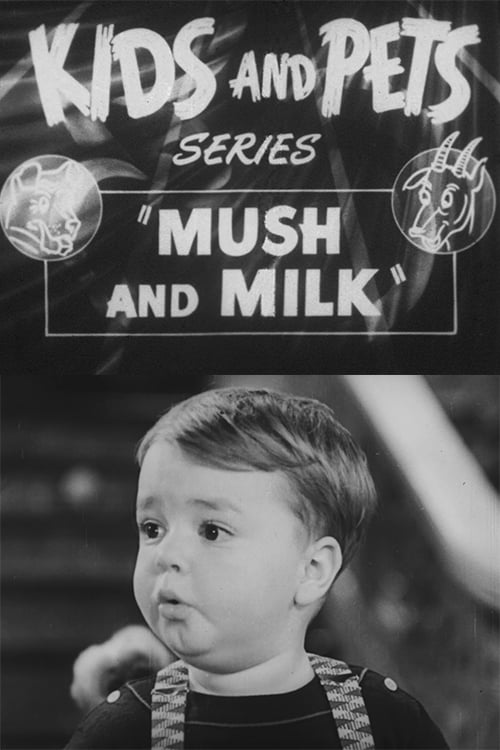
1933
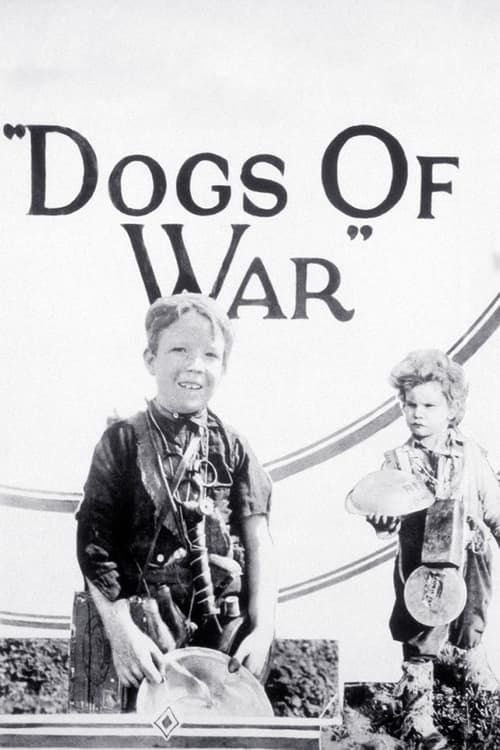
1923
1932
1932
1929
1932

1971
No reviews yet. Be the first to share your thoughts on this movie!
Use the rating form above to leave a star rating and optional review.