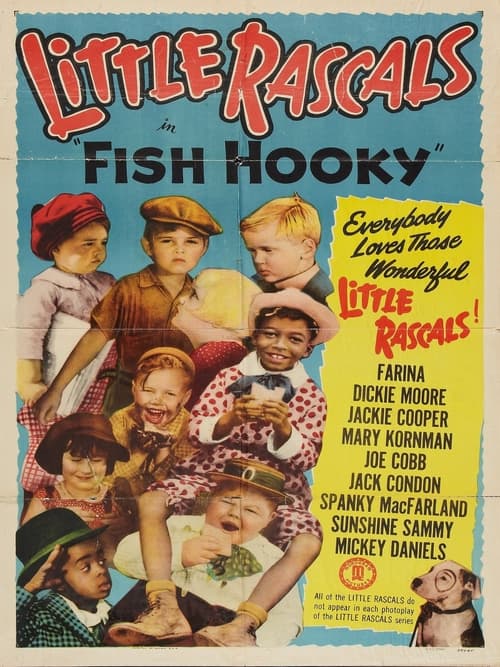
Fish Hooky
1933
No user ratings available yet
Representation score: 1.9 out of 10
Representation Score
Limited
1923
Director
Robert F. McGowan
Runtime
20 minutes
Average Rating
No ratings yetNew Showbiz Analysis
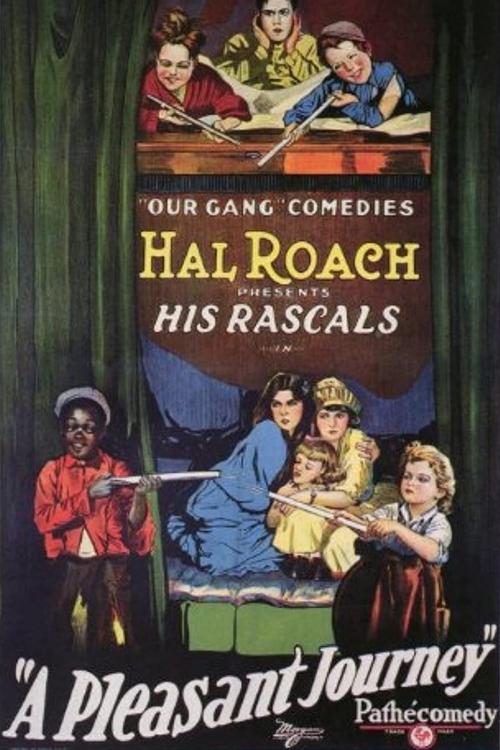
A Pleasant Journey adheres to the comedic standards of the early 1920s. While it lacks modern multi-layered depth, it provides a foundational level of racial diversity through its multi-racial cast. The film's strength lies in its depiction of youth involvement and integrated social units. However, it remains rooted in traditional slapstick humor and does not engage with complex social critiques or provide representation for LGBTQ+ or disabled characters.
Category Breakdown
The film does not include any LGBTQ+ characters or non-straight relationships. It follows the traditional comedic structures typical of the 1920s silent era.
The story focuses on a gang and a shoeshine scheme without highlighting specific gender dynamics. While the ensemble suggests collective involvement, there is no direct challenge to gender hierarchies.
Farina, a character of color, adds significant representation for the time. The gang functions as a multi-racial, integrated social unit with narrative influence.
The story centers on slapstick humor and minor social transgressions involving the police. It offers light-hearted skepticism toward authority but does not critically examine cultural institutions.
There is no mention of characters with visible or invisible disabilities. The available information does not allow for an assessment of disability representation.
Present on Screen
Limited or Absent
Official Synopsis
Ernie and Farina anger the police force with their shoeshine scheme. Later, the gang switches places with some runaways about to board a train.
1933
1928
1929

1933
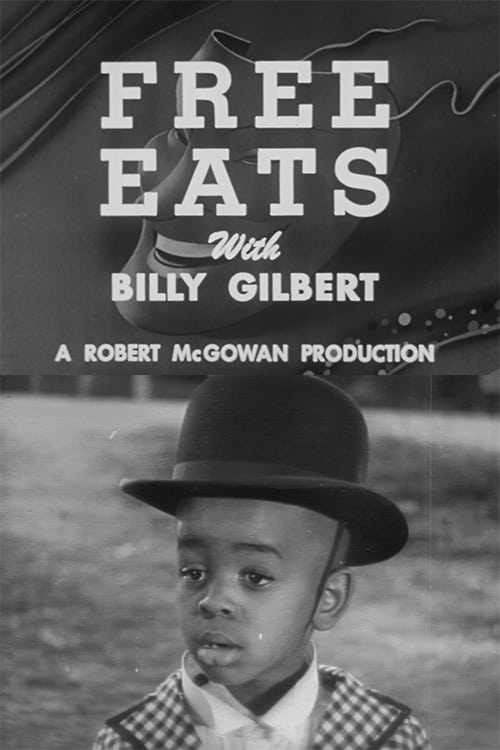
1932
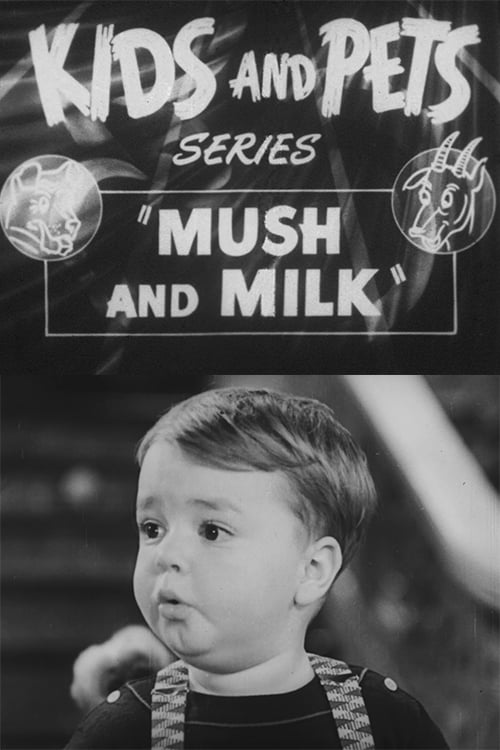
1933
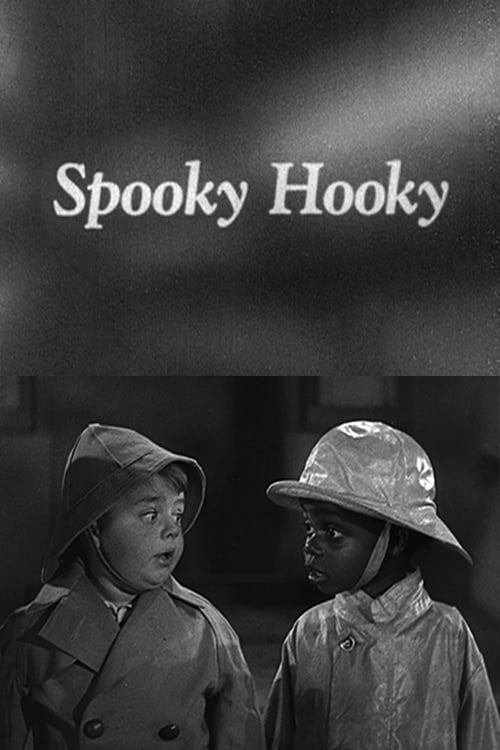
1936
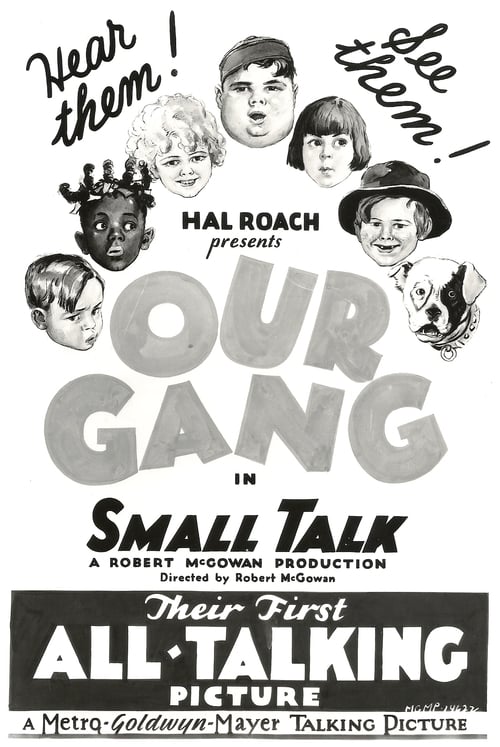
1929
No reviews yet. Be the first to share your thoughts on this movie!
Use the rating form above to leave a star rating and optional review.