Peace to Him Who Enters
1961
No user ratings available yet
Representation score: 8.7 out of 10
Representation Score
Good
1967
Director
Aleksandr Askoldov
Runtime
110 minutes
Average Rating
No ratings yetNew Showbiz Analysis
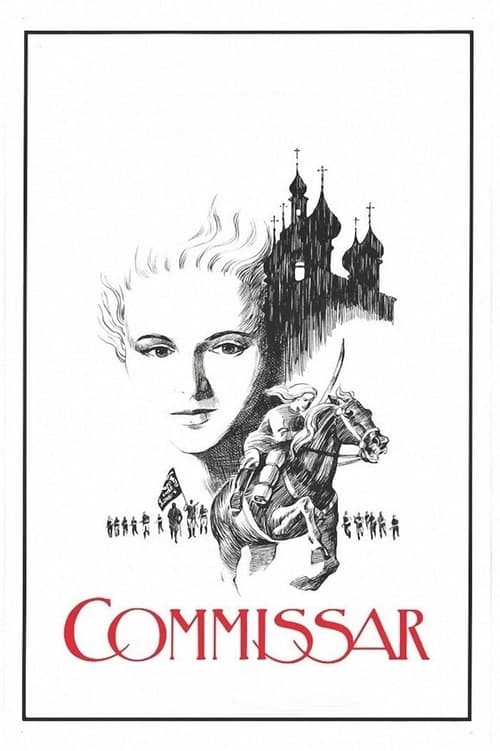
Aleksandr Askoldov’s drama centers on Klavdia Vavilova, a strong female military leader whose influence challenges conventional gender hierarchies. By incorporating ethnic diversity through interactions with a Jewish family, the film avoids a monolithic view of the revolution. The film’s strength lies in its cultural critique, showing the violent dissolution of old-world institutions and religious structures. It favors a complex, situational ethics reflecting the chaos of the era. However, the film lacks LGBTQ+ representation and does not feature characters with specific disabilities. The focus remains on broader systemic changes.
Category Breakdown
The film does not include any explicit LGBTQ+ characters or narratives. The story focuses on the political and interpersonal tensions of the revolutionary era.
Klavdia Vavilova is a central figure with significant political and military influence. Her pregnancy complicates her identity rather than reinforcing traditional maternal roles.
The narrative includes a significant subplot involving a Jewish family, highlighting the diverse ethnic landscape and social fabric during the Russian Civil War.
The film depicts the dismantling of monarchy and religious institutions as part of a radical social restructuring. It emphasizes the struggle of the proletariat over static moral codes.
There are no characters specifically defined by disabilities. However, the film captures the systemic psychological and physical toll of war on a society in transition.
Present on Screen
Limited or Absent
Official Synopsis
Klavdia Vavilova, a Red Army cavalry commissar, is waylaid by an unexpected pregnancy. She stays with a Jewish family to give birth and is softened somewhat by the experience of family life.
1961

1977

1964
1962

1959

1965
1945
1976
No reviews yet. Be the first to share your thoughts on this movie!
Use the rating form above to leave a star rating and optional review.