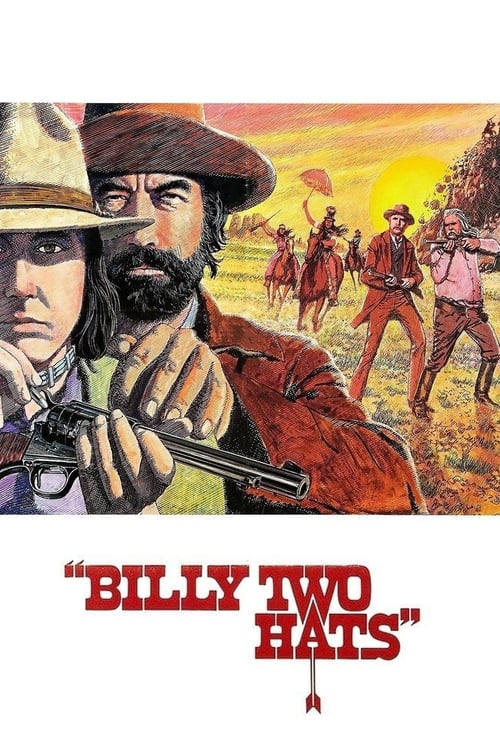
Billy Two Hats
1974
No user ratings available yet
Representation score: 2.0 out of 10
Representation Score
Minimal
1957
NRDirector
Anthony Mann
Runtime
93 minutes
Average Rating
No ratings yetNew Showbiz Analysis
Anthony Mann’s Western emphasizes psychological depth and the deconstruction of institutional authority over demographic diversity. The film is intellectually progressive in its handling of systemic corruption and moral ambiguity, shifting away from idealized heroism towards complex, character-driven narratives. However, the work remains socially conservative. It adheres to the traditional casting and gender norms of the time, presenting a homogeneous landscape that lacks racial and LGBTQ+ representation. While the narrative structure is sophisticated, the social demographics remain confined to mid-century archetypes.
Category Breakdown
The film does not include any visible LGBTQ+ characters or representations of non-straight relationships. It follows the traditional 1950s cinematic style without any hidden queer themes.
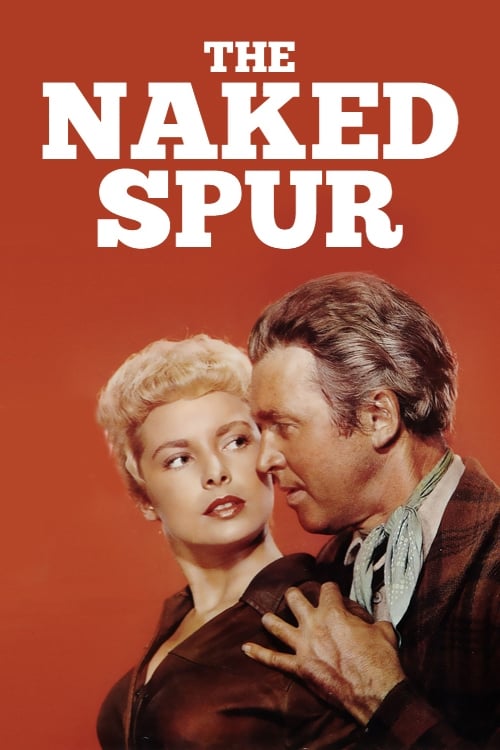
The story focuses on masculine figures involved in law enforcement and conflict. Female characters, such as those played by Shelley Winters, mainly serve as social conduits rather than driving the plot forward.
The cast is mostly uniform, reflecting the typical portrayal of the American frontier in 1957. Characters of color have minimal influence and central roles in the story.
The film critiques the integrity of institutions by showing a community involved in criminal activities. It challenges the idea of a peaceful frontier town through moral relativism.
There are no prominent depictions of physical, neurodivergent, or mental health-related disabilities among the main characters.
Present on Screen
Limited or Absent
Official Synopsis
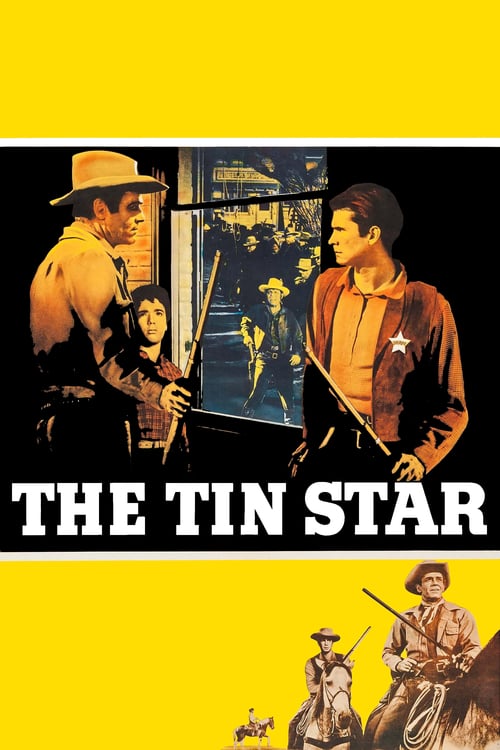
An experienced bounty hunter helps a young sheriff learn the meaning of his badge.
1974
1939
1955
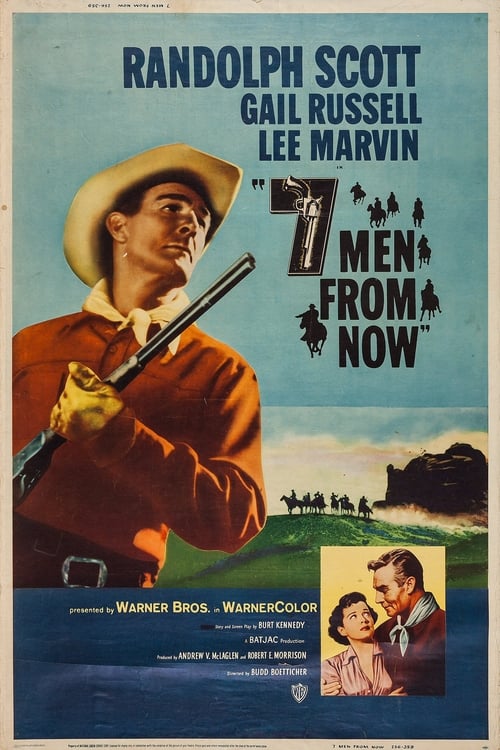
1956
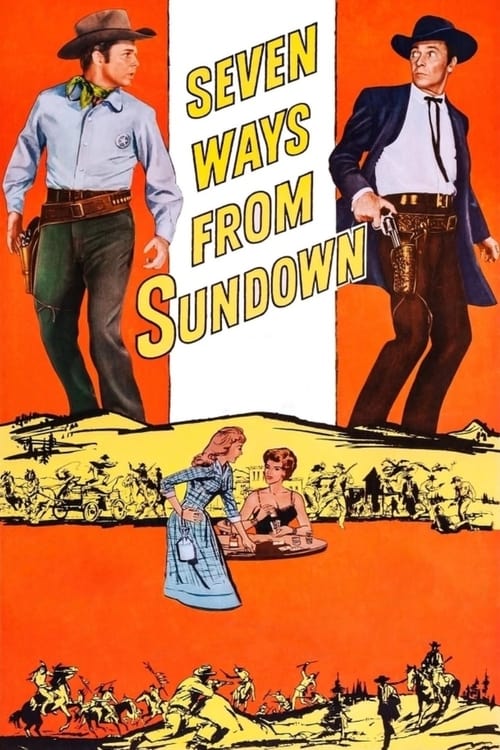
1960
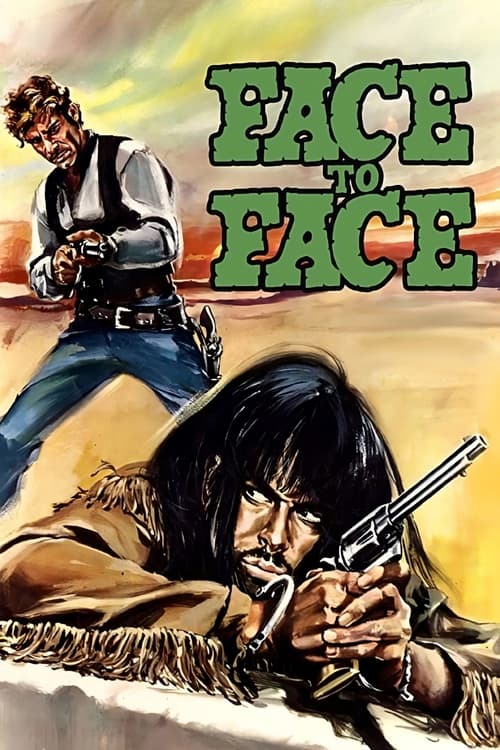
1967
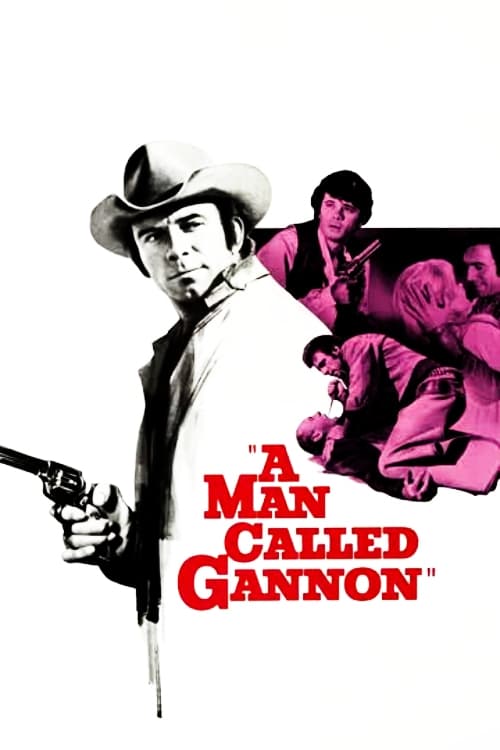
1968
1953
No reviews yet. Be the first to share your thoughts on this movie!
Use the rating form above to leave a star rating and optional review.