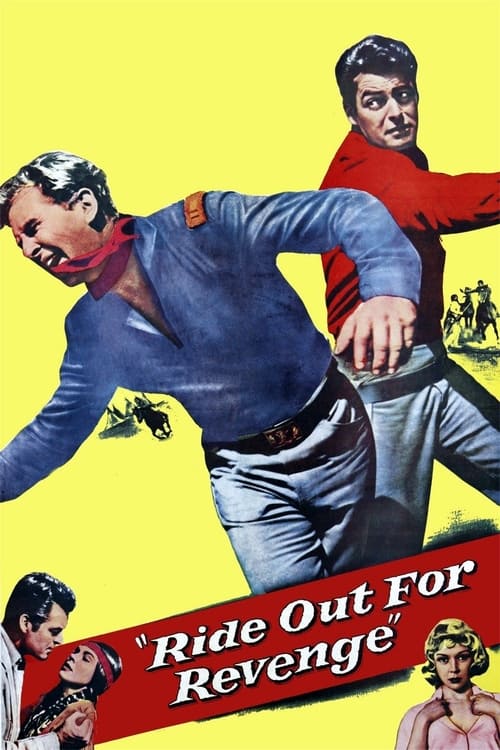
Ride Out for Revenge
1957
No user ratings available yet
Representation score: 2.1 out of 10
Representation Score
Fair
1975
GDirector
Bernard Girard
Runtime
91 minutes
Average Rating
No ratings yetNew Showbiz Analysis
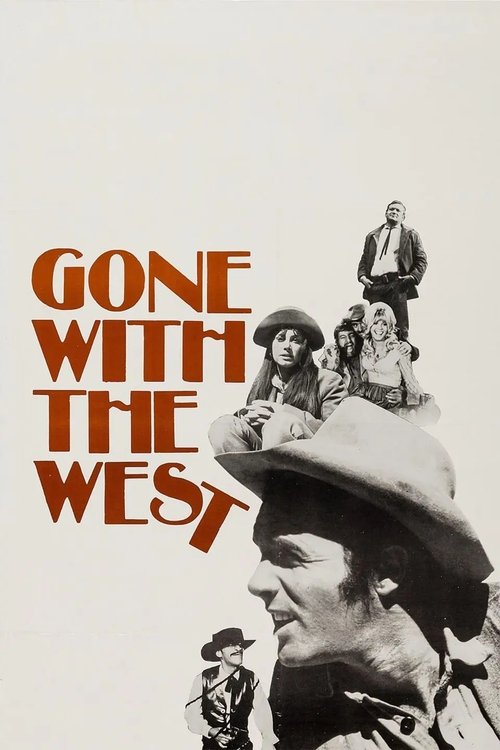
Gone with the West presents a nuanced take on the Western genre by positioning the established social order as the villain. By featuring a cowboy and a Native American woman against a corrupt local leader, the film highlights underrepresented perspectives challenging systemic power. However, the film adheres to conventional genre archetypes. The male-driven vengeance plot and the secondary role of the female lead indicate that while the film challenges institutional authority, it does not fully dismantle traditional gender hierarchies. Ultimately, the film successfully incorporates racial and cultural depth through its protagonist pairing, despite lacking LGBTQ+ or disability-related narratives.
Category Breakdown
The film does not include any LGBTQ+ characters or stories focused on non-cisgender identities.
The story revolves around a male protagonist following typical Western conventions. A Native American woman is featured but primarily serves as a companion without much influence over the plot.
The film showcases a central partnership between a cowboy and a Native American woman, allowing characters of color to drive the narrative against a corrupt authority figure.
The narrative challenges traditional Western institutions by presenting a small town and its leadership as the antagonists. This setup critiques the established social order and authority structures.
The film does not feature any characters with visible or invisible disabilities.
Present on Screen
Limited or Absent
Official Synopsis
After being framed, a cowboy is sent to jail. After his time is served, he leaves with vengeance in his heart. Soon he meets a young Native American woman and together they go to settle their score with a small town and its corrupt leader.
1957
1972
1945
1958
1971
1976
1956
1971
No reviews yet. Be the first to share your thoughts on this movie!
Use the rating form above to leave a star rating and optional review.