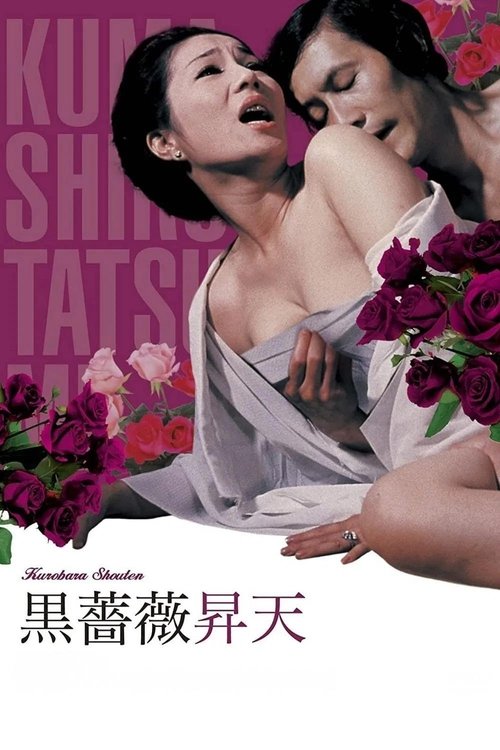
Ecstasy of the Black Rose
1975
No user ratings available yet
Diversity score: 6.1 out of 10

1979
Director
Tatsumi Kumashiro
Runtime
73 minutes
Average Rating
No ratings yetSynopsis
Junko Miyashita plays a mysterious hitchhiker picked up by a brute of a construction worker named Kenzo who takes her back to his run-down and cramped apartment in a not so good part of town. Claiming that she is running away from an abusive husband, she shacks up with him. In a futile attempt to escape the bleak working class surroundings, the pair engage in an obsessive erotic relationship.
Overall Score
Good
Category Breakdown
LGBTQ+ Representation
The film disrupts heteronormative expectations by emphasizing the fluidity of desire. It explores a spectrum of attraction and subverts traditional gendered roles through interpersonal dynamics.
Gender Representation
Female protagonists demonstrate high agency, navigating sexual autonomy within marginalized environments. They drive the emotional momentum rather than serving as passive objects of the male gaze.
Racial & Ethnic Diversity
As a culturally specific Japanese production, the film lacks multi-ethnic blending. It offers an authentic exploration of a localized setting rather than a diverse global cast.
Religious & Cultural Diversity
The narrative rejects traditional moralities in favor of situational ethics. It validates the lived realities of the working class and those operating outside mainstream social institutions.
Disability Representation
There is no significant evidence regarding the portrayal of physical or neurodivergent disabilities in this work.
Strengths
Areas for Improvement
AI Analysis
Tatsumi Kumashiro’s direction elevates the film by prioritizing character autonomy over rigid societal structures. The narrative succeeds by framing marginalized lifestyles as complex expressions of human agency rather than moral failures. The film's primary strength lies in its sophisticated treatment of gender and sexual politics. By centering the story on women who use sexuality for self-definition, it effectively subverts patriarchal hierarchies. However, the film remains culturally localized. While it provides deep authenticity to its Japanese setting, it lacks the racial diversity found in more multi-ethnic productions.
1975
1974
1976

1985
1966

1977

1981

1980

1973

2001

1961

1978
No reviews yet. Be the first to share your thoughts on this movie!
Use the rating form above to leave a star rating and optional review.