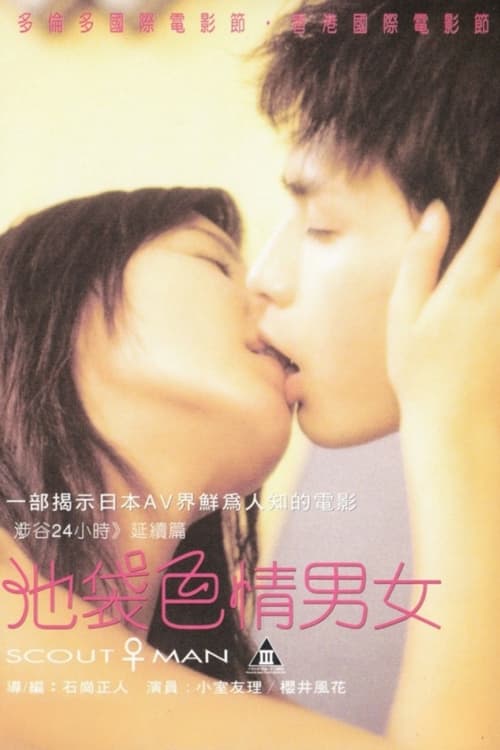
Scoutman
2001
No user ratings available yet
Representation score: 5.1 out of 10

Representation Score
Fair
1980
Director
Tatsumi Kumashiro
Runtime
71 minutes
Average Rating
No ratings yetNew Showbiz Analysis
Path of the Beast is a powerful social critique that dismantles traditional morality. By focusing on a female protagonist facing economic hardships, the film emphasizes themes of personal empowerment and systemic pressures over conventional family structures. While it lacks broad multi-layered diversity, it offers a detailed exploration of Japanese working-class life, highlighting social and economic exclusion.
Category Breakdown
The film primarily centers on heterosexual relationships but explores unconventional forms of intimacy that deviate from typical social norms. This includes the depiction of non-traditional sexual interactions and games.
Saki, the main character, is defined by her independence and self-determination rather than being tied to patriarchal structures. Her mother's labor and her own choices highlight the theme of female empowerment.
The story focuses on a specific Japanese socio-economic group and does not include a diverse range of ethnicities or backgrounds. It does not explore multi-layered identities beyond the local context.
The film questions traditional family stability by showing the mother-daughter relationship through economic struggles. It portrays social dysfunction as a result of the environment rather than individual choices.
The narrative does not involve any characters dealing with physical or neurological disabilities.
Present on Screen
Limited or Absent
Official Synopsis
17 year old Saki lives in a run-down shack with her mom, who survives by pushing a food cart from dawn to dusk. Saki has dropped out of school, and when she's not helping her mother selling noodles in the streets, she's playing flesh-games with boyfriend Sotoo. In her spare time, the girl also entertains a truck driver named Ataru. She believes her promiscuity is a trait inherited from her mom. Determined to improve her lot in life, Saki decides to stop seeing the two guys.
2001

1980

2011

1976

1963

1975

1971

1967
No reviews yet. Be the first to share your thoughts on this movie!
Use the rating form above to leave a star rating and optional review.