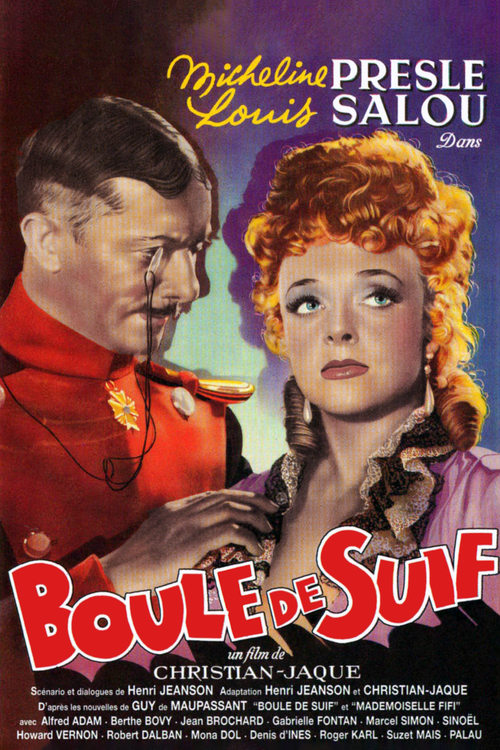
Angel and Sinner
1945
No user ratings available yet
Diversity score: 4.1 out of 10
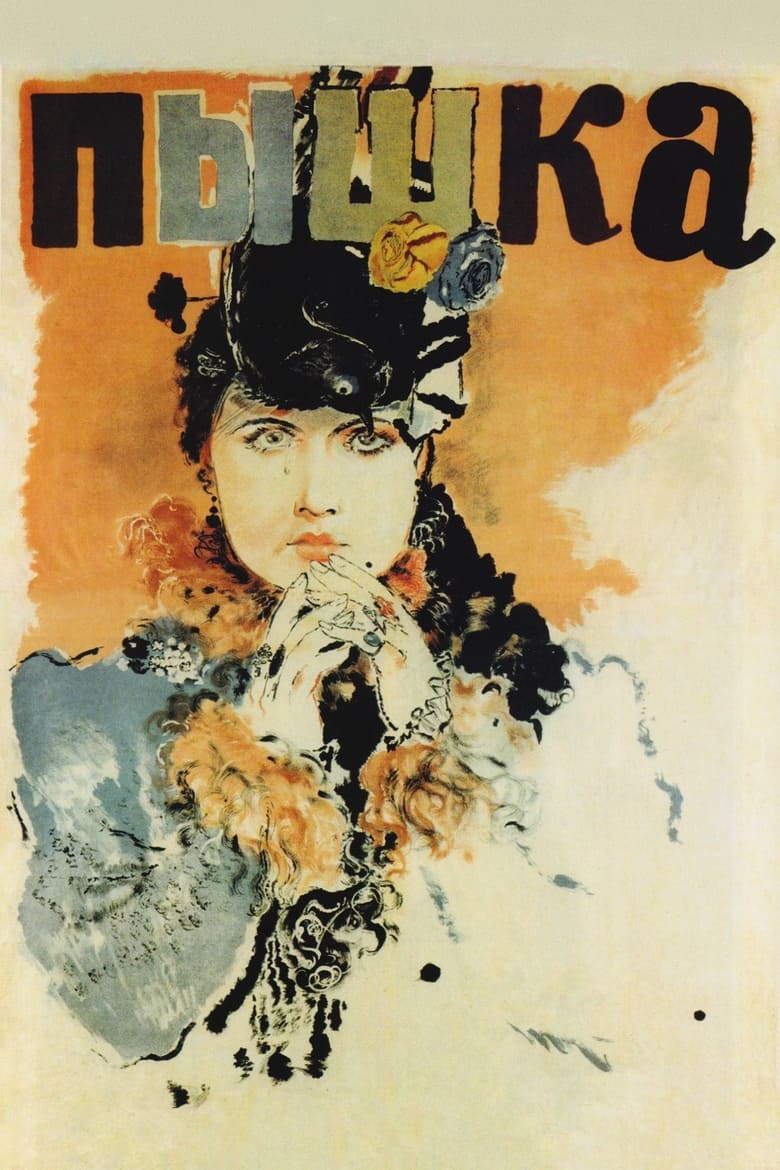
1934
Director
Mikhail Romm
Runtime
64 minutes
Average Rating
No ratings yetSynopsis
A film adaptation of the short story of the same name by Guy de Maupassant. The action takes place in the XIX century. Franco-Prussian War of 1870. A group of French bourgeois leaves in a stagecoach from Rouen occupied by Prussian troops. Along with them comes one attractive demimonde lady. The only way to get out is to persuade her, nicknamed "Ball-of-Fat" a la "Boule-de-Suif" to satisfy the lust of the head of the gendarmerie...
Overall Score
Fair
Category Breakdown
LGBTQ+ Representation
The film focuses on heteronormative social structures and the transactional sexual politics of 19th-century France. No non-cisnormative identities or queer narratives are present.
Gender Representation
The narrative centers on a woman whose agency serves as the plot's catalyst. It subverts traditional hierarchies by portraying 'respectable' men as morally inept and cowardly.
Racial & Ethnic Diversity
The cast remains homogeneous, reflecting the specific European historical context of the Franco-Prussian War. There is no evidence of racial blending or color-blind casting.
Religious & Cultural Diversity
The film offers a profound critique of Western institutional morality and class-based oppression. It dismantles bourgeois superiority by exposing the hypocrisy of social etiquette and class standing.
Disability Representation
Characters are defined by socioeconomic status and moral alignment rather than physical or neurodivergent traits. There is no significant focus on visible or invisible disabilities.
Strengths
Areas for Improvement
AI Analysis
Mikhail Romm’s adaptation is a biting social critique that prioritizes the deconstruction of class hierarchies over broad demographic representation. While the film lacks racial and LGBTQ+ diversity due to its specific 19th-century French setting, it excels in its subversive narrative architecture. The film's strength lies in its aggressive dismantling of Western institutional morality. By framing the bourgeoisie as systemic villains, the story provides a sophisticated critique of capitalism and the corruption of the ruling class. Ultimately, the work functions as a progressive challenge to established social orders, using a marginalized protagonist to expose the fragility and hypocrisy of traditional masculine and class-based leadership.
1945

2016
1995
1930
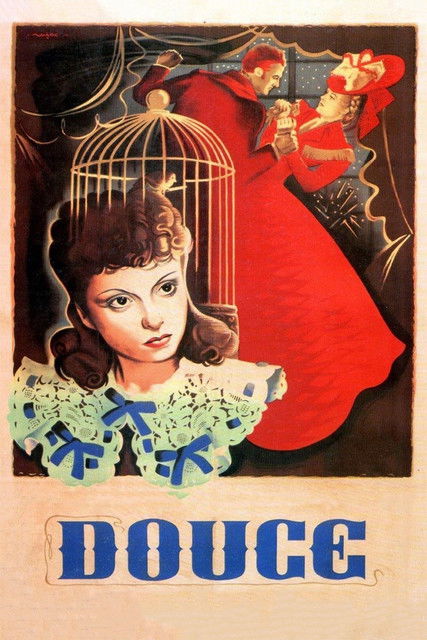
1943

1936
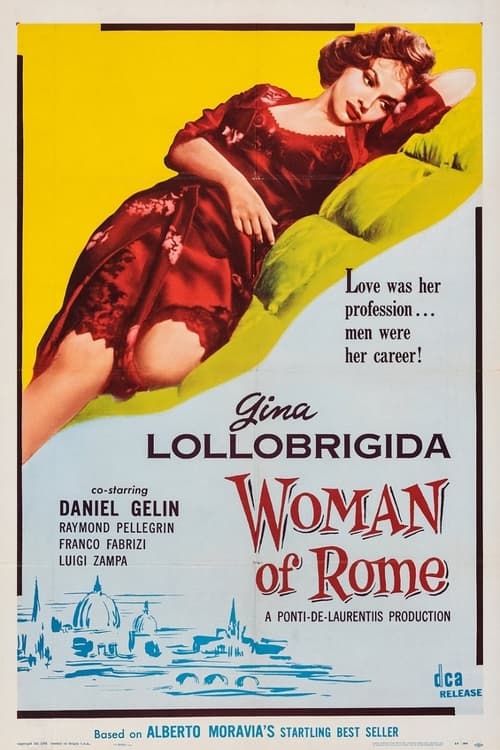
1954
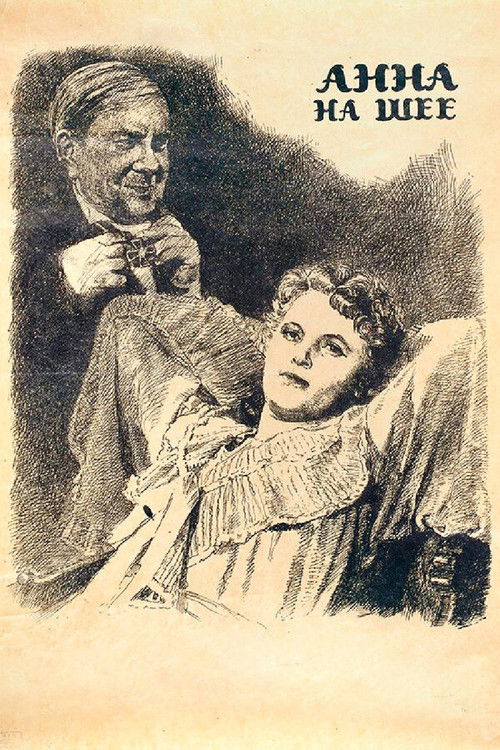
1954
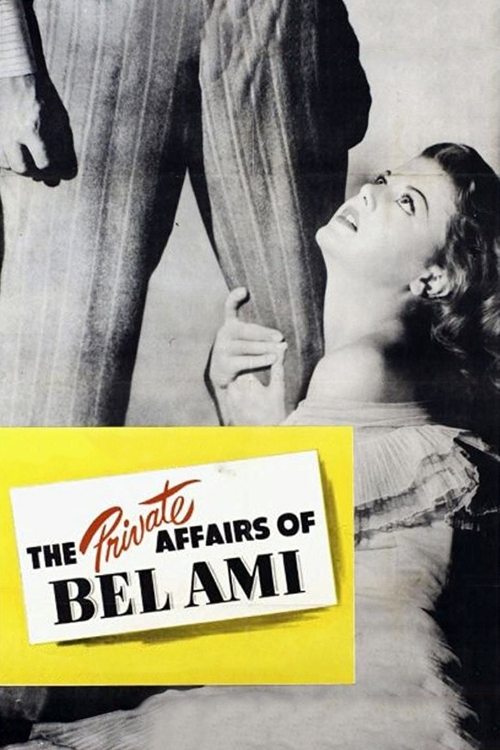
1947
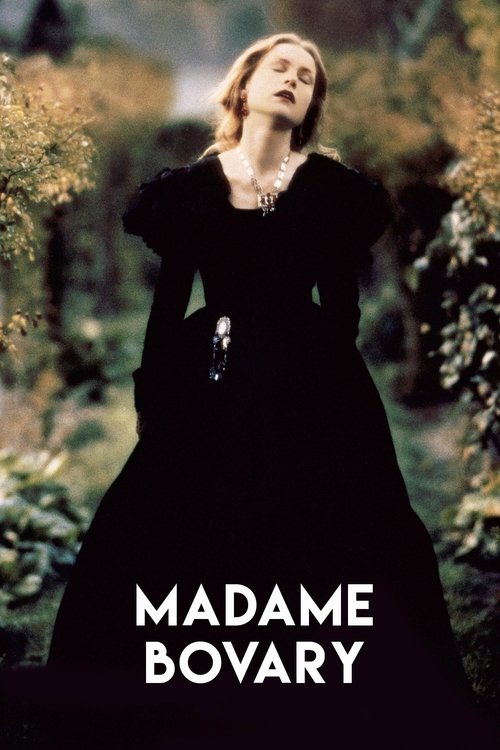
1991
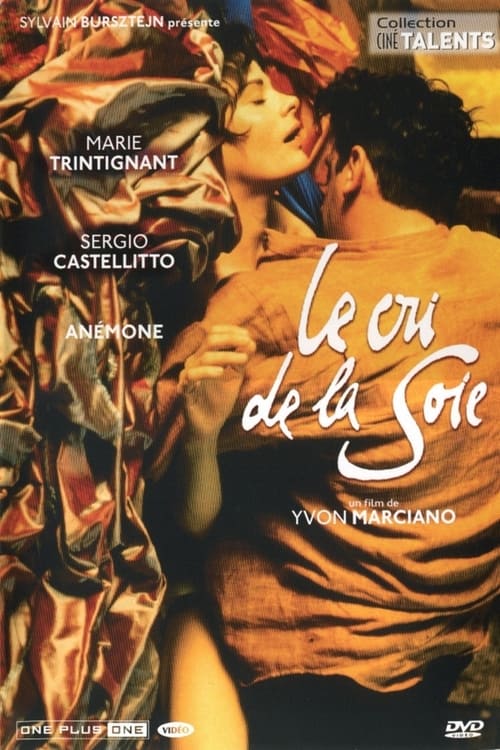
1996
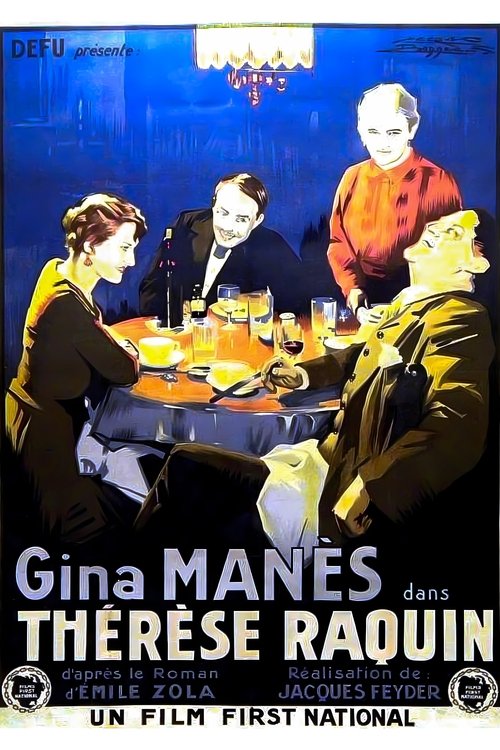
1928
No reviews yet. Be the first to share your thoughts on this movie!
Use the rating form above to leave a star rating and optional review.