
Good Lord Without Confession
1953
No user ratings available yet
Diversity score: 5.6 out of 10
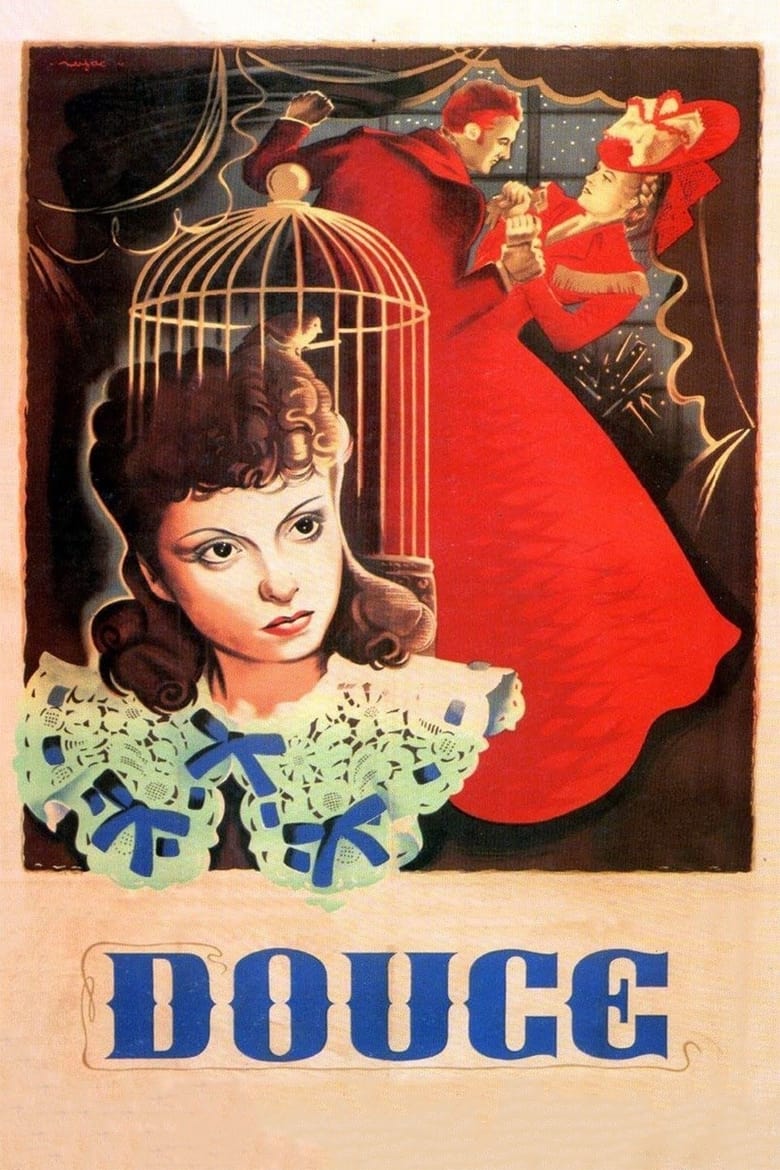
1943
Not RatedDirector
Claude Autant-Lara
Runtime
109 minutes
Average Rating
No ratings yetSynopsis
In Paris in 1887, Irène works as a governess to Douce, the grand-daughter of the dowager Countess de Bonafé. Douce believes she is in love with Fabien, the handsome manager of the estate. However she cannot hope to marry him because of their class difference. Douce's widowed father, the Count de Bonafé, has a wooden leg, and is infatuated with Irène. Douce discovers that Fabien is planning to flee to Quebec with Irène, and also finds out that the Count has asked Irène to marry him. So Douce tells Fabien this and convinces him to run away with her, causing consternation in the family.
Overall Score
Fair
Category Breakdown
LGBTQ+ Representation
The film lacks explicit depictions of LGBTQ+ identities. Romantic tensions remain centered within a traditional heteronormative framework.
Gender Representation
Douce demonstrates significant agency by actively orchestrating the plot's climax. The narrative also critiques patriarchal authority through the Count's unwanted pursuit of the governess.
Racial & Ethnic Diversity
The story focuses on a homogeneous French aristocratic setting. There is no evidence of multi-ethnic casting or diverse racial representation in central roles.
Religious & Cultural Diversity
The film deconstructs rigid class hierarchies and aristocratic family structures. It prioritizes individual mobility and personal agency over traditional social duties.
Disability Representation
The Count de Bonafé is depicted with a wooden leg. However, this physical disability appears to function more as a melodramatic character trait than a nuanced exploration.
Strengths
Areas for Improvement
AI Analysis
Douce is a period drama that finds its strength in subverting social hierarchies rather than expanding demographic representation. The film excels at portraying female agency, as Douce moves from a passive observer to a decisive architect of her own destiny. This disruption of the established order provides a compelling critique of bourgeois constraints. However, the film is limited by its narrow social and demographic scope. The setting is culturally homogeneous, lacking racial diversity or LGBTQ+ perspectives. While the inclusion of a character with a physical disability is notable, it lacks the depth required for a meaningful exploration of disability. Ultimately, the film is a study of class and gendered power dynamics within a very specific, traditionalist French context.
1953

1942

1948
1934

1923

1941
1964

2020
1948

2012
1986
1931
No reviews yet. Be the first to share your thoughts on this movie!
Use the rating form above to leave a star rating and optional review.