
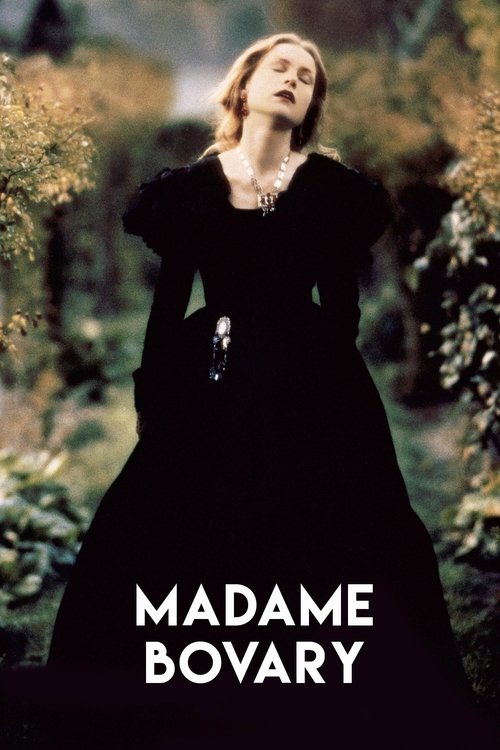
Madame Bovary
1937
No user ratings available yet
Representation score: 2.6 out of 10
Representation Score
Limited
1928
PassedDirector
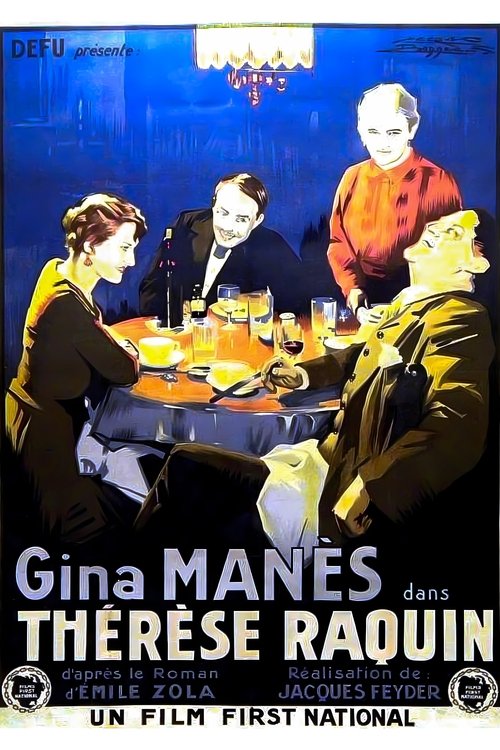
Jacques Feyder
Runtime
90 minutes
Average Rating
No ratings yetNew Showbiz Analysis
Jacques Feyder’s film is a psychological study that prioritizes the deconstruction of social and moral structures over demographic variety. It succeeds in challenging traditional gender roles by centering on Thérèse's autonomy and sexual freedom. However, the film lacks contemporary markers of diversity, such as LGBTQ+ representation or racial inclusion. It remains rooted in its historical context, focusing on a homogeneous Parisian society. Ultimately, the work's progressive value lies in its rejection of religious morality in favor of a naturalist worldview, challenging the perceived stability of middle-class norms.
Category Breakdown
The film focuses solely on a heterosexual affair and does not depict any same-sex relationships or non-cisgender identities.
Thérèse is a central character who pursues emotional and sexual autonomy. The story challenges patriarchal marriage by making her desires the main plot driver.
The cast is uniform, reflecting the 19th-century Parisian setting. There is no indication of intentional racial diversity or casting actors of different backgrounds.
The film replaces traditional Christian morality with a naturalist outlook. It portrays the bourgeois family as a trap rather than a stable environment.
Psychological decline is a theme of guilt. No specific, identifiable disabilities are represented or used as plot devices.
Present on Screen
Limited or Absent
Official Synopsis
Thérèse Raquin, an unhappily married woman, aided by her lover Laurent, drowns her husband Michaud, only to find the guilt of her actions intolerable.
1937
1938

1898
1991
1944
1955
1928
1932
No reviews yet. Be the first to share your thoughts on this movie!
Use the rating form above to leave a star rating and optional review.