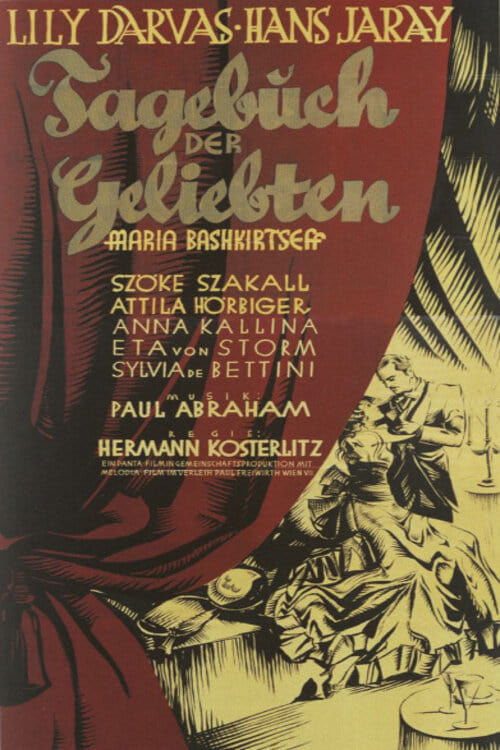
Affairs of Maupassant
1935
No user ratings available yet
Diversity score: 4.3 out of 10
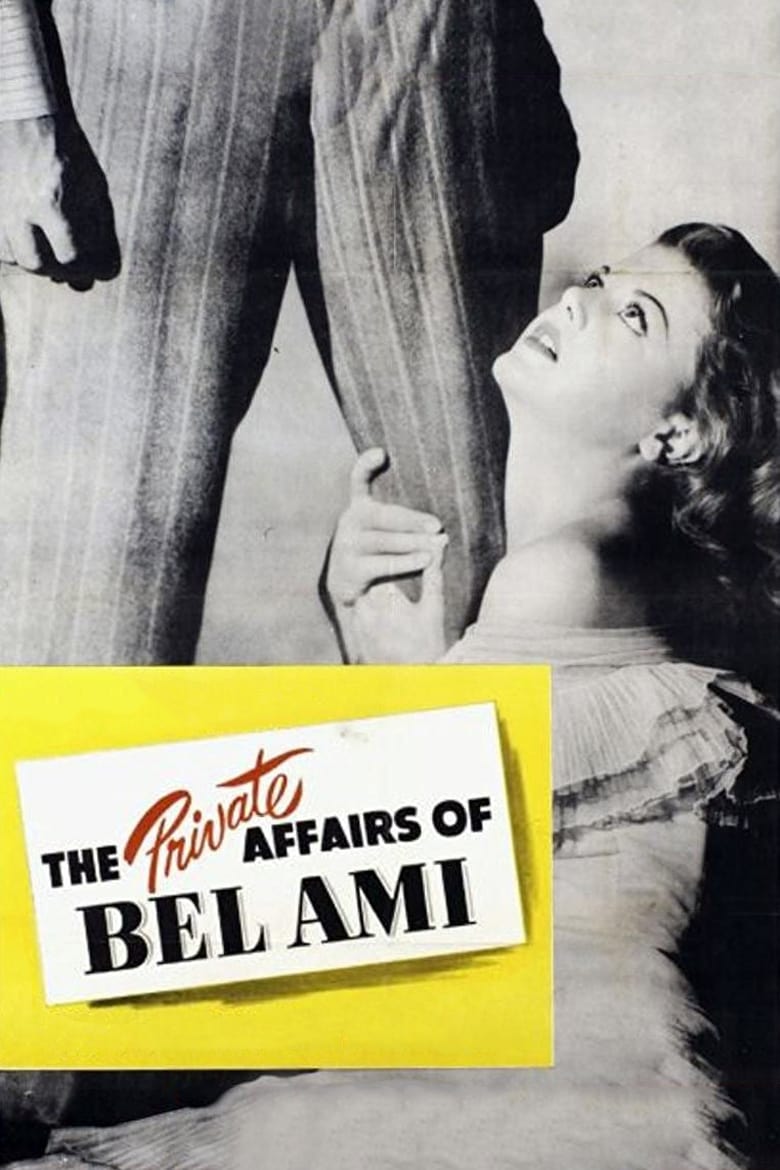
1947
ApprovedDirector
Albert Lewin
Runtime
112 minutes
Average Rating
No ratings yetSynopsis
A self-serving journalist uses influential women in late-1800s Paris and denies the one who truly loves him.
Overall Score
Limited
Category Breakdown
LGBTQ+ Representation
The film adheres to the heteronormative social structures of the late 1800s. No non-cisnormative identities or same-sex intimacy are present in the narrative.
Gender Representation
Women serve as the primary architects of social and political power. The plot centers on their intellect, wealth, and maneuvering rather than traditional domestic hierarchies.
Racial & Ethnic Diversity
The cast is ethnically homogeneous, reflecting the Eurocentric social landscape of the period. It lacks diverse casting or non-Anglo-Saxon perspectives.
Religious & Cultural Diversity
The narrative offers a sophisticated critique of Western institutions and class hypocrisy. It prioritizes moral relativism over singular Christian morality.
Disability Representation
No characters with visible or invisible disabilities are central to the story. Disability is not utilized as a plot device.
Strengths
Areas for Improvement
AI Analysis
The film presents a complex portrait of power that subverts many 1940s cinematic tropes. While it lacks demographic variety, it excels in narrative depth by portraying women as the true drivers of social mobility and political influence. However, the production is limited by its historical setting and the era's standards. The cast remains ethnically homogeneous, and the story lacks any representation of LGBTQ+ identities or characters with disabilities. Ultimately, the film's value lies in its intellectual critique of social hierarchies. It replaces traditional moral absolutism with a pragmatic look at how individuals navigate a corrupt class system.
1935

1930
1954
1960

2009

1950
1991

1973
1957

1986
1964
1964
No reviews yet. Be the first to share your thoughts on this movie!
Use the rating form above to leave a star rating and optional review.