
Love Life
2022
No user ratings available yet
Representation score: 8.3 out of 10
Representation Score
Good
1999
Director
Nobuhiro Suwa
Runtime
147 minutes
Average Rating
No ratings yetNew Showbiz Analysis
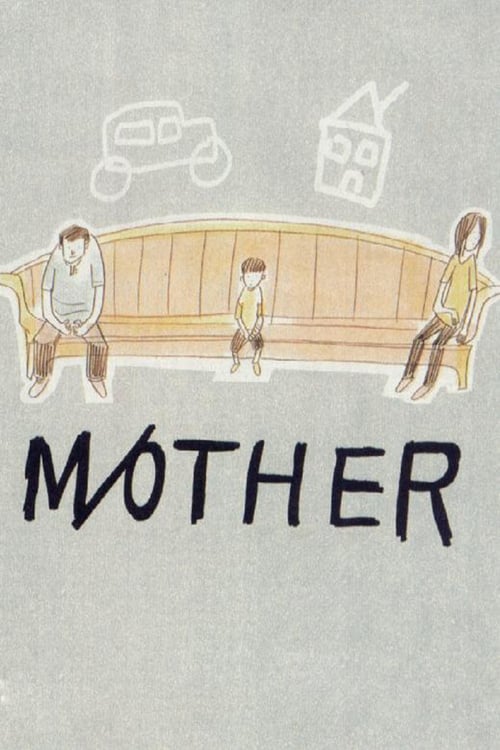
Nobuhiro Suwa’s M/Other is a postmodern deconstruction of the domestic sphere. It prioritizes psychological fragmentation over conventional plot progression, using a stylized, non-linear approach to explore the emptiness of modern urban life. The film earns its score by challenging traditional social expectations and the perceived sanctity of the nuclear family. While it lacks explicit demographic diversity in terms of race or LGBTQ+ identity, its narrative structure questions standard social norms. Ultimately, the work functions as a study of individual alienation. It critiques modern social institutions while operating within a culturally specific and demographically homogeneous framework.
Category Breakdown
The film focuses on the domestic complexities of a young couple. There is no explicit evidence of LGBTQ+ identities or non-assuming gender matches what was assigned at birth gender expressions within the main character arcs.
The narrative disrupts traditional hierarchies by centering on the female protagonist's internal psychological state. It avoids maternal archetypes, instead exploring female empowerment through isolation and the rejection of social cohesion.
Set in urban Japan, the film features a predominantly Japanese cast. It functions as a localized study of identity within a relatively homogeneous demographic context.
The film critiques the stability of the nuclear family and social institutions. It portrays traditional structures like parenthood as sources of alienation and psychological burden rather than virtue.
There is no significant evidence of characters with visible or invisible disabilities. The narrative focus remains on the psychological malaise of the able-bodied cast.
Present on Screen
Limited or Absent
Official Synopsis
Tetsuro is living with his young girlfriend Aki in a pleasant house in Tokyo. They both spend a lot of time at their jobs. However their routine is upset when Tetsuro brings his 8-year-old son Shun to live with them, while his ex-wife recovers from a car accident.
2022
2008
2017

2016

2004

2024

2022
1998
No reviews yet. Be the first to share your thoughts on this movie!
Use the rating form above to leave a star rating and optional review.