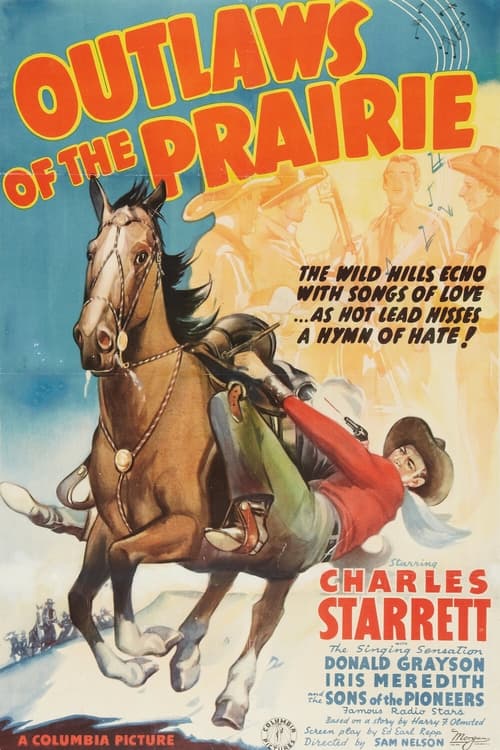
Outlaws of the Prairie
1937
No user ratings available yet
Diversity score: 1.8 out of 10
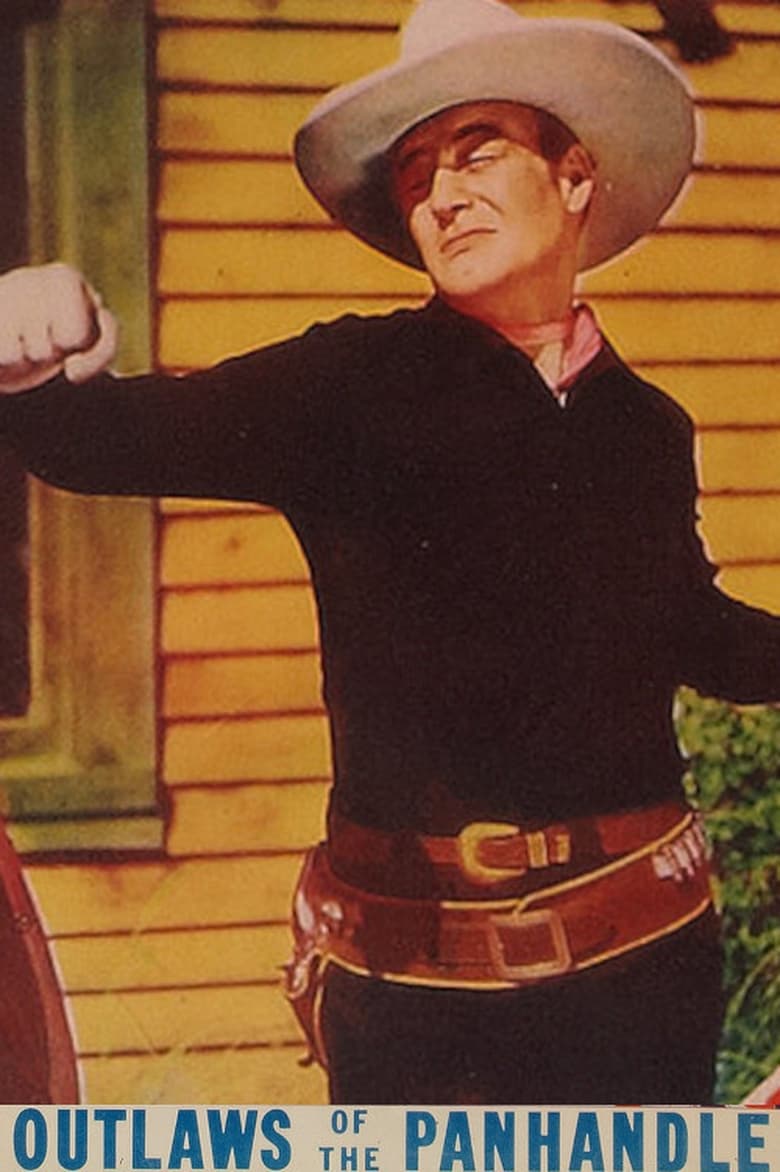
1941
ApprovedDirector
Sam Nelson
Runtime
59 minutes
Average Rating
No ratings yetSynopsis
Outlaws of the Pandhandle was the last of Charles Starrett's "formula" westerns for Columbia: hereafter, Starrett would be seen only in the guise of frontier medico Steven Monroe or masked do-gooder The Durango Kid. For the moment, however, the star is cast as Jim Endicott, bound and determined to put an end to the underhanded activities of gin-mill operator Faro Jack Vaughn (Norman Willis). The villain's strategy is to get the local cowpunchers tanked up on rotgut that they'll prove to be easy pickings for a gang of rustlers-and will be unable to complete work on a railroad spur which will bypass the outlaws' hideaway.
Overall Score
Minimal
Category Breakdown
LGBTQ+ Representation
The film lacks any evidence of LGBTQ+ characters or non-heteronormative identities. It relies on a conventional masculine hero archetype typical of 1941.
Gender Representation
The story centers on male protagonists and antagonists within male-dominated industries. Women appear to lack agency, reinforcing traditional 1940s gender hierarchies.
Racial & Ethnic Diversity
Set during frontier expansion, the film focuses on cowpunchers and railroad workers. It shows no indication of significant racial or ethnic diversity.
Religious & Cultural Diversity
The narrative emphasizes law, order, and protecting railroad infrastructure. It reinforces social stability rather than critiquing Western institutions or cultural norms.
Disability Representation
There is no mention of characters with visible or invisible disabilities. No representation of disability is present in the narrative.
Strengths
Areas for Improvement
AI Analysis
Outlaws of the Panhandle is a quintessential B-movie Western that prioritizes genre efficiency over social complexity. The plot follows a standard hero-versus-villain structure, focusing on the protection of industry and community productivity against criminal elements. The film adheres strictly to the studio system's formula, utilizing traditional archetypes that reinforce the status quo. It lacks engagement with marginalized identities or any subversion of the dominant Anglo-Saxon demographic of the era. Ultimately, the production serves as a snapshot of 1941 mainstream cinema, where narrative goals are centered on moral clarity and the preservation of established social and industrial hierarchies.
1937
1938
1939
1939

1939
1938
1950
1945
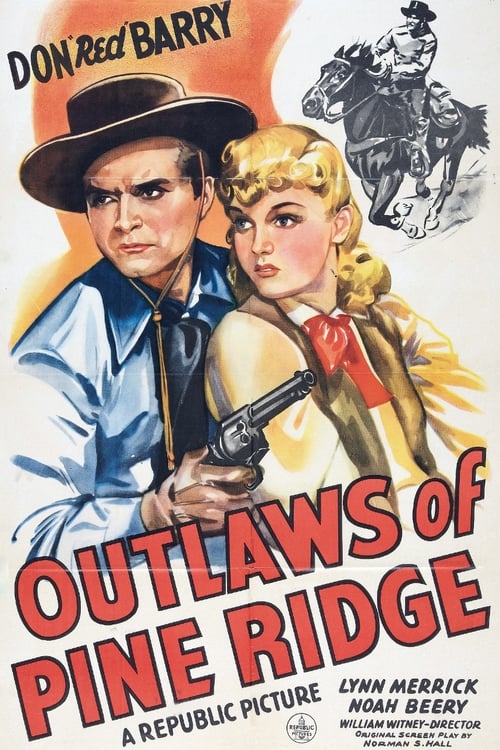
1942
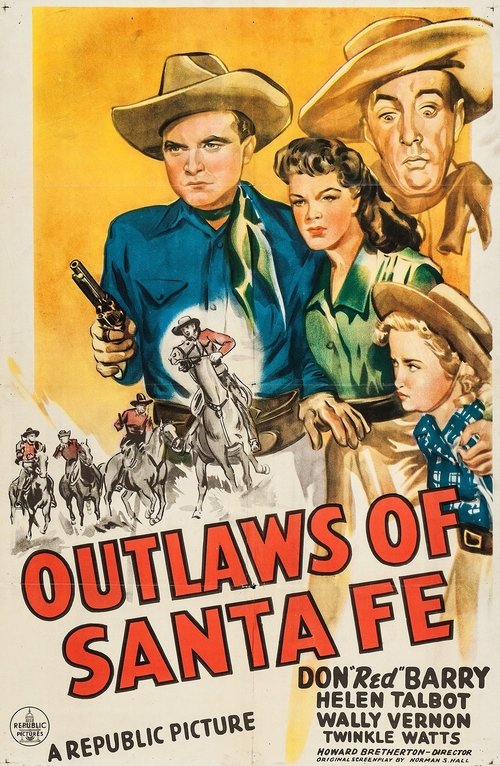
1944
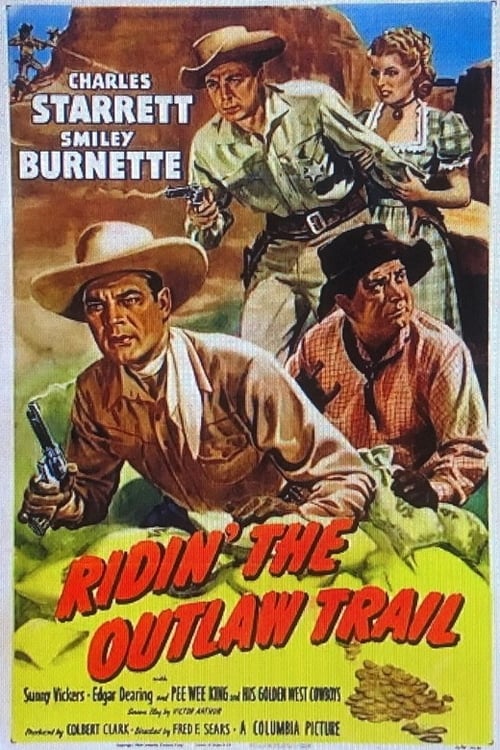
1951
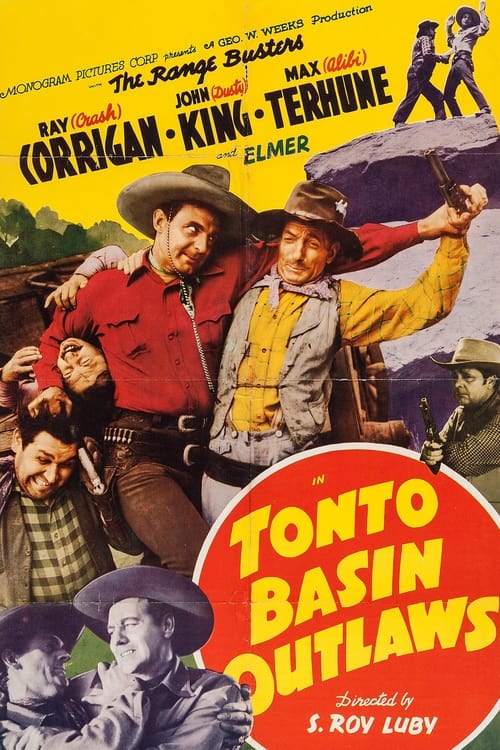
1941
No reviews yet. Be the first to share your thoughts on this movie!
Use the rating form above to leave a star rating and optional review.