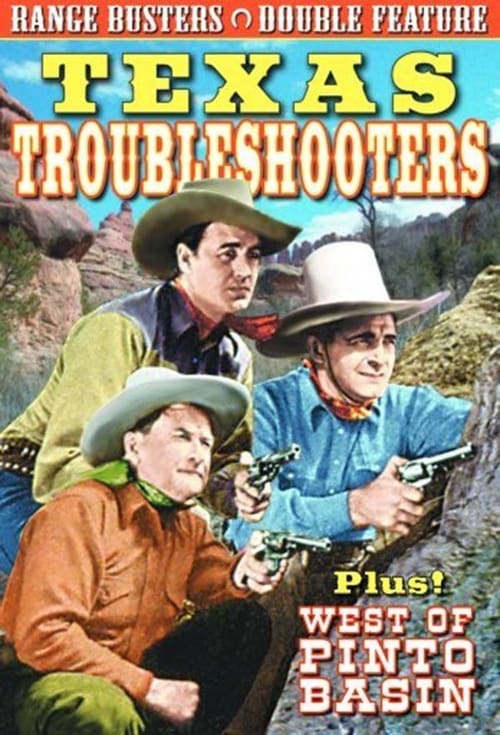
Texas Trouble Shooters
1942
No user ratings available yet
Representation score: 1.3 out of 10
Representation Score
Minimal
1941
PassedDirector
S. Roy Luby
Runtime
60 minutes
Average Rating
No ratings yetNew Showbiz Analysis
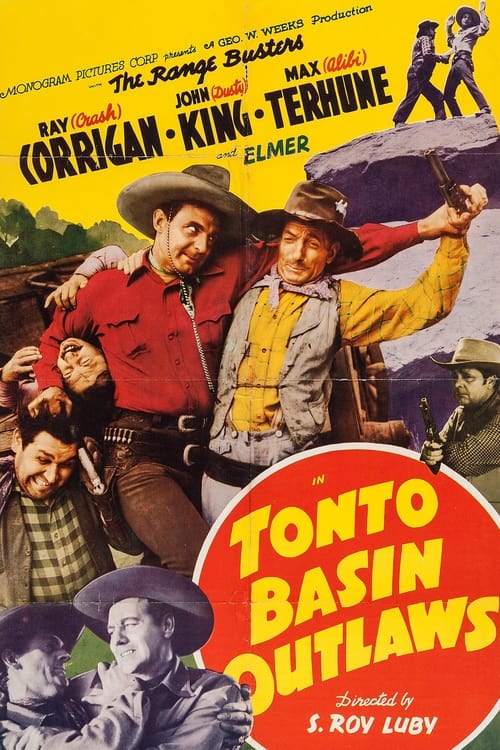
Tonto Basin Outlaws is a quintessential 1940s B-Western that adheres strictly to the commercial clichés of its era. The narrative structure relies on established hierarchies and conventional moral frameworks, offering little in the way of social subversion. The film reinforces mid-century archetypes, centering on a masculine trio and traditional gender roles. While female characters like Jane Blanchard exist, they function through established genre devices rather than as drivers of primary ability to act. Ultimately, the work serves as a reinforcement of the period's social norms. It lacks racial diversity and focuses on a narrow, Anglo-centric view of the American frontier.
Category Breakdown
The film operates within a framework that assumes everyone is straight and cisgender. It features a trio of male characters without any depiction of LGBTQ+ identities or same-sex relationships.
Gender roles in the film remain traditional, with male protagonists driving the physical conflict. Female characters like Jane Blanchard play active roles but rely on established genre devices rather than driving the main storyline.
The cast is predominantly white, focusing on Anglo-Saxon frontier archetypes. There are no significant characters of color with substantial roles.
The story emphasizes traditional Western institutions like the military and law enforcement. It presents a clear moral binary between lawful protagonists and criminal rustlers.
The film contains no visible or invisible depictions of characters with disabilities.
Present on Screen
Limited or Absent
Official Synopsis
Number 10 in Monogram's series of 24 "Range Busters" westerns, Crash Corrigan, Dusty King and Alibi Terhune, the Range Busters,enlist in Teddy Roosevelt's Rough Riders during the Spanish-American War, but are mustered out and sent to Wyoming to clean up a cattle-rustling situation that is affecting the Army's meat supply. Arriving in North Butte, Crash's home town, they all get separate jobs. Jane Blanchard, a reporter from the Denver Daily, also arrives in town in search of a story, and is posing as a waitress. They learn that Jeff Miller is behind the huge combine of rustlers, but Miller also learns that they are the Range Busters and are on his trail. He and his henchmen engage the out-numbered Crash and Alibi in a fight, but Dusty stampedes a large herd of Miller's stolen cattle into the midst of the fray.
1942
1942
1930
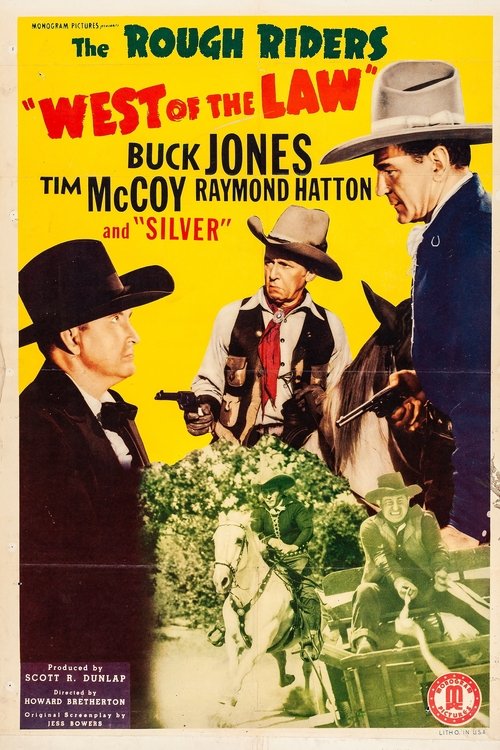
1942
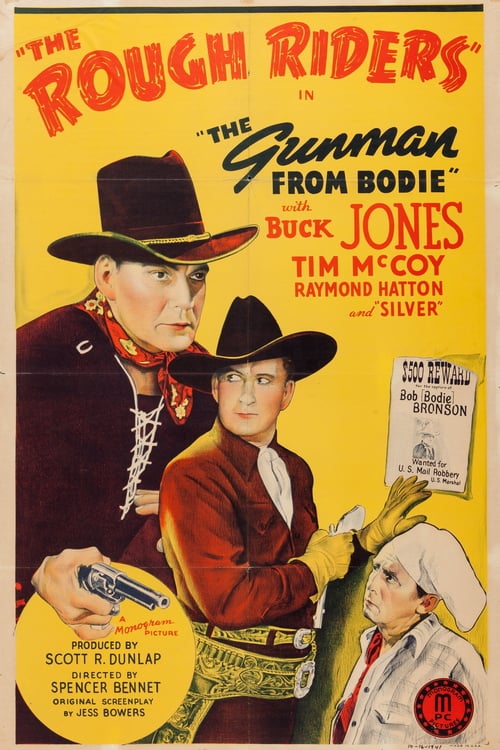
1941
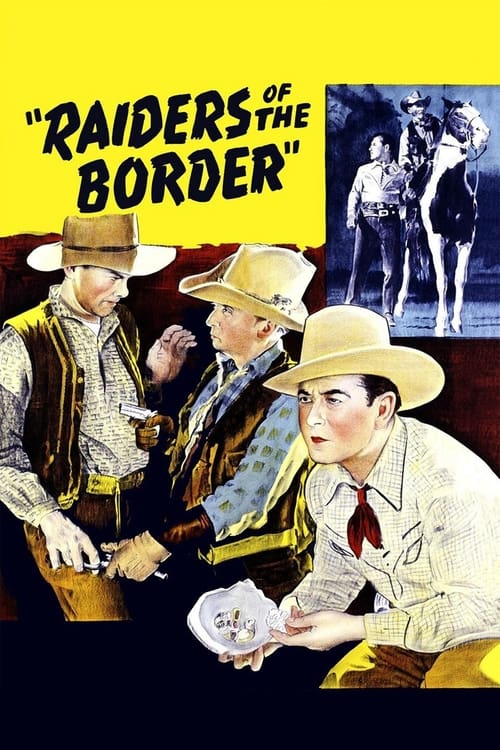
1944
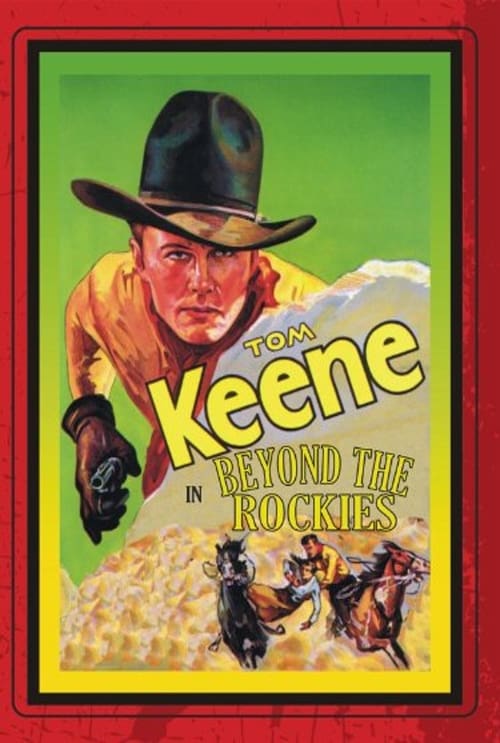
1932
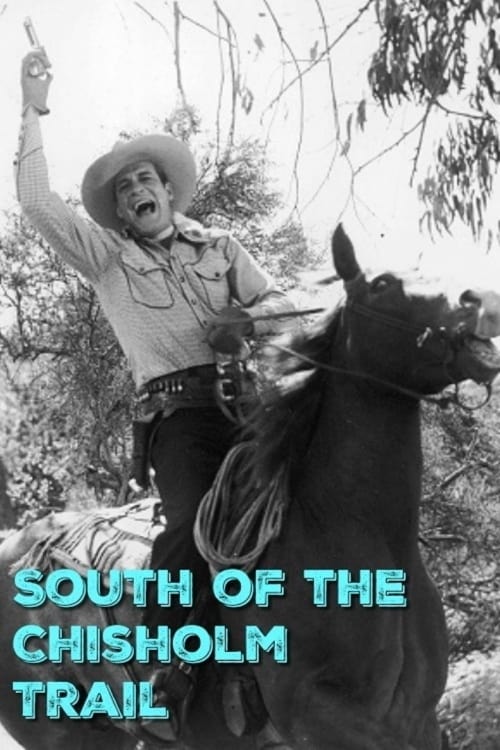
1947
No reviews yet. Be the first to share your thoughts on this movie!
Use the rating form above to leave a star rating and optional review.