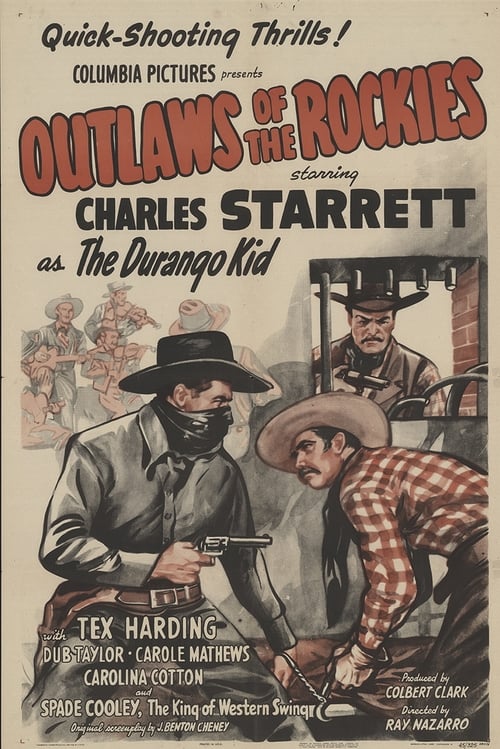
Outlaws of the Rockies
1945
No user ratings available yet
Representation score: 0.9 out of 10
Representation Score
Minimal
1951
ApprovedDirector
Fred F. Sears
Runtime
56 minutes
Average Rating
No ratings yetNew Showbiz Analysis
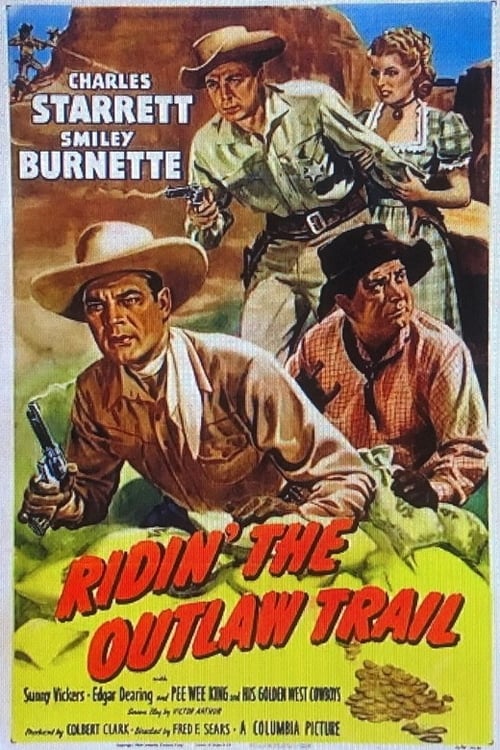
Ridin' the Outlaw Trail is a conventional B-movie Western that prioritizes genre clichés over social complexity. The plot focuses on a clear moral binary between the hero, Steve Forsythe, and the villain. Representation is limited by the era's standards, emphasizing masculine archetypes and traditional frontier justice. The film reinforces established social hierarchies rather than challenging them. Ultimately, the work serves as a standard morality play, providing little to no diverse perspectives.
Category Breakdown
The film does not include any LGBTQ+ characters or narratives. It adheres to the strict social norms of 1951, focusing on traditional masculine roles.
The story centers on male-driven conflicts between lawmen and outlaws. Women are not shown in positions of physical or intellectual leadership.
The narrative relies on Anglo-American frontier clichés, such as gold theft. It reflects the homogeneous casting typical of early 1950s Westerns.
The film reinforces traditional notions of law and order. It functions as a standard morality play without questioning Western institutions.
There is no mention of characters with visible or invisible disabilities. No themes related to disabilities are integrated into the narrative.
Present on Screen
Limited or Absent
Official Synopsis
Charles Starrett plays lawman Steve Forsythe in Ridin' the Outlaw Trail. Somewhere along the line, of course, Steve is obliged to don the mask of The Durango Kid, mysterious righter of wrongs. The "wrongs" in this instance include the theft of $20,000 in gold, and the "kidnapping" of a blacksmith's forge! Jim Bannon, who only a few months earlier had played the heroic Red Ryder, provides the villainy in this fast-paced "Durango Kid" entry
1945
1969
1948
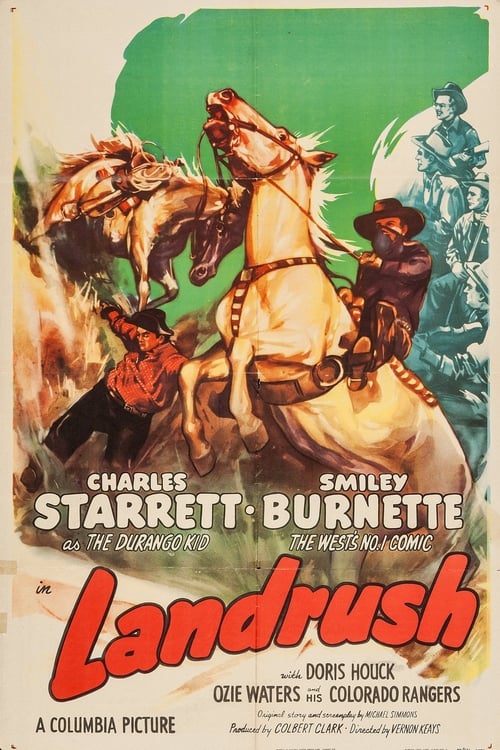
1946
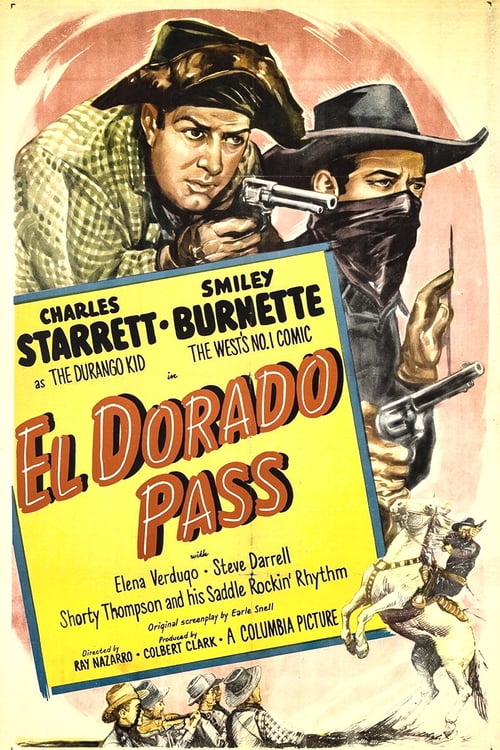
1948
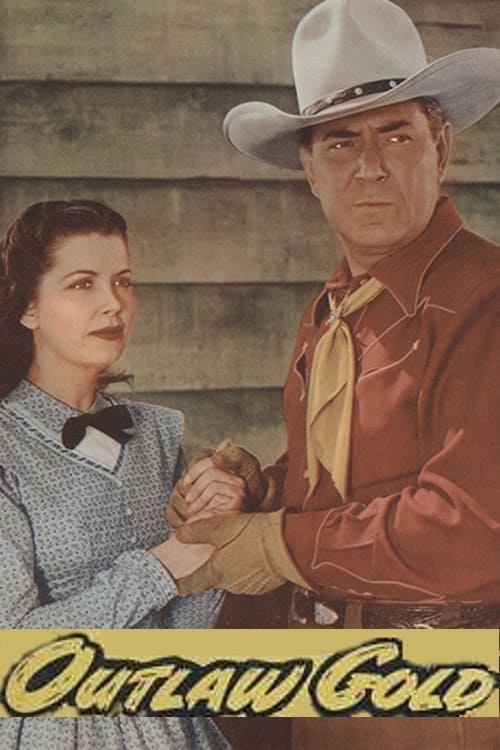
1950
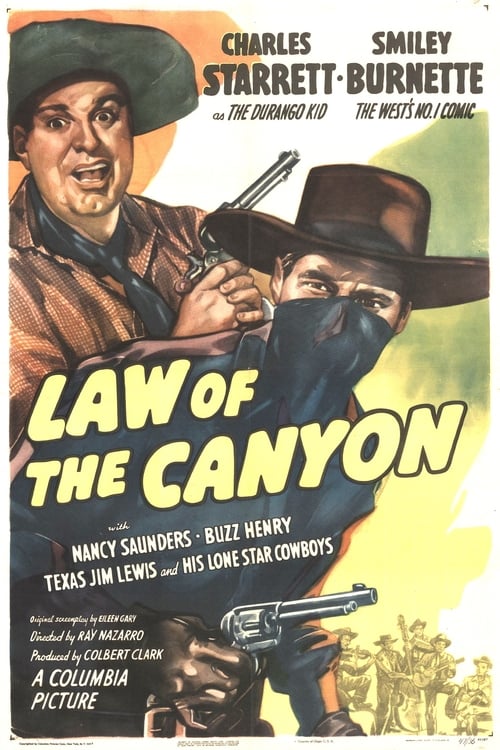
1947
1950
No reviews yet. Be the first to share your thoughts on this movie!
Use the rating form above to leave a star rating and optional review.