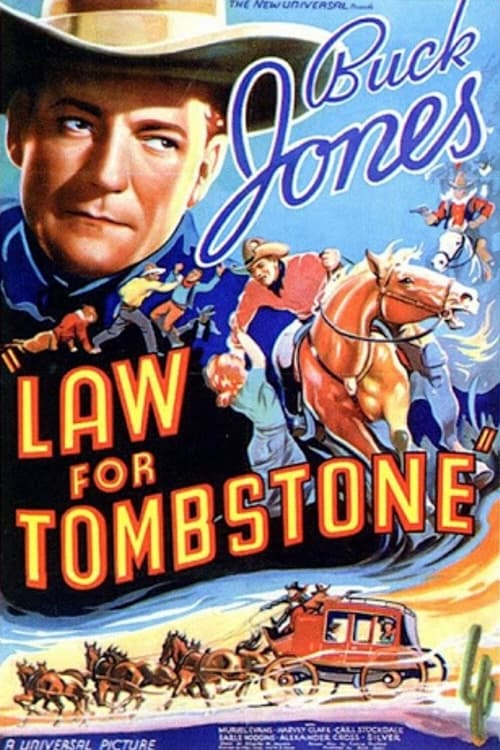
Law for Tombstone
1937
No user ratings available yet
Representation score: 1.1 out of 10
Representation Score
Minimal
1937
ApprovedDirector
Sam Nelson
Runtime
59 minutes
Average Rating
No ratings yetNew Showbiz Analysis
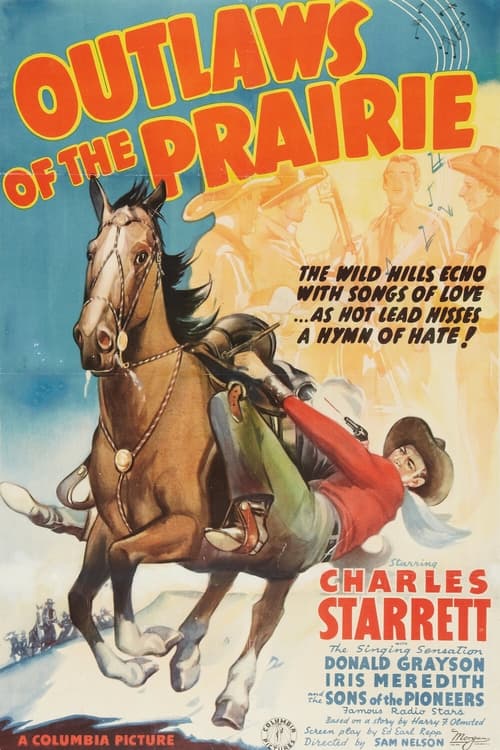
Outlaws of the Prairie is a quintessential 1930s 'B' Western that prioritizes genre clichés over social complexity. It adheres strictly to the period's cinematic norms, offering a predictable exploration of frontier justice and property defense. The film relies on established archetypes, focusing on a male hero who drives the physical and investigative resolution of the plot. While a female character holds a central role, her actions are often framed by her need for protection from a male lead.
Category Breakdown
The film does not include any visible LGBTQ+ characters or narratives addressing non-assuming gender matches what was assigned at birth identities.
Judy Garfield runs a stage transport business and plays a central role, but her actions are often framed by her need for protection from a male lead.
The film reflects the homogeneous racial norms of the 1930s, focusing on Anglo-Saxon protagonists without any evidence of diverse casting or non-white characters with ability to act.
The story emphasizes frontier justice and the protection of private enterprise, aligning with traditional Western values regarding law, order, and commerce.
There is no mention of characters possessing visible or invisible disabilities within the narrative.
Present on Screen
Limited or Absent
Official Synopsis
Charles Starrett plays two-fisted frontiersman Dart Collins in this slick Columbia "B" western. Collins wants to find out who's behind a series of gold-shipment robberies. So does heroine Judy Garfield (Iris Meredith), whose stage transport business faces foreclosure if the holdups continue. It comes as no surprise that the crimes are being orchestrated by the very people who want to force Judy out of business.
1937
1937

1940
1936
1937
1937
1939
1938
No reviews yet. Be the first to share your thoughts on this movie!
Use the rating form above to leave a star rating and optional review.