
Chûshingura
1962
No user ratings available yet
Representation score: 0.6 out of 10

Representation Score
Limited
1963
Director
Tadashi Imai
Runtime
122 minutes
Average Rating
No ratings yetNew Showbiz Analysis
Tadashi Imai’s work serves as a sophisticated deconstruction of historical myth. Instead of glorifying the samurai, the film highlights the generational trauma caused by rigid social structures and harsh leadership. While the film lacks modern representation of diverse gender and sexual identities, it excels in its systemic critique. It shifts the focus from heroic clichés to the human cost of absolute authority. The film is a study of institutional oppression, using historical realism to challenge the nationalist myths often linked with the bushido code.
Category Breakdown
The film focuses on traditional masculine roles during the Edo period. There is no indication of non-straight or non-cisgender identities or same-sex relationships.
Male characters and samurai hierarchies have the most influence. Female characters, such as the fiancée, mainly serve as catalysts for male introspection rather than having their own choices.
The cast is ethnically uniform, reflecting the historical reality of Edo-period Japan. It maintains cultural authenticity without the whitewashing common in Western interpretations.
The film provides a progressive critique of institutional power. It dismantles the romanticized samurai myth by presenting feudal hierarchies as oppressive and destructive.
The narrative emphasizes physical violence and family history. There is no evidence of neurodivergence or visible disabilities playing central roles.
Present on Screen
Limited or Absent
Official Synopsis
After a salary-man's fiancée attempts suicide, he recounts his gruesome family history which saw generations of his ancestors suffer and sacrifice themselves for the sake of their cruel lords.
1962
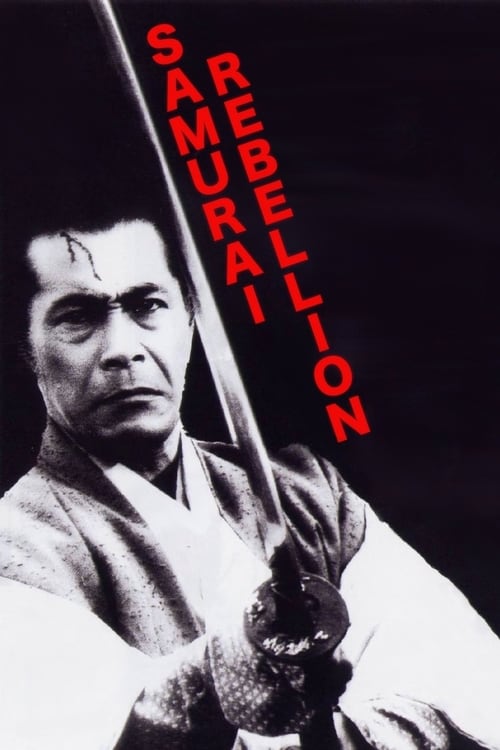
1967
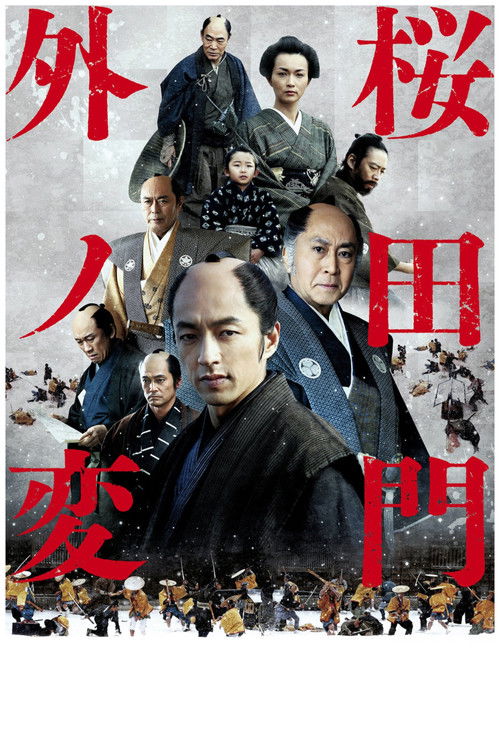
2010
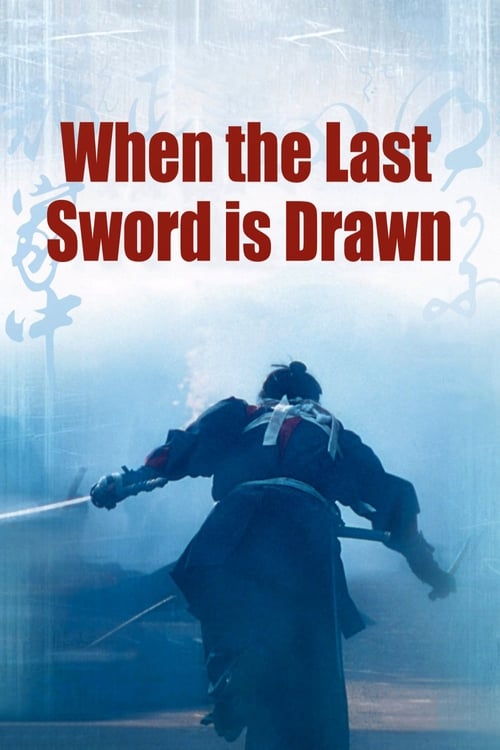
2003
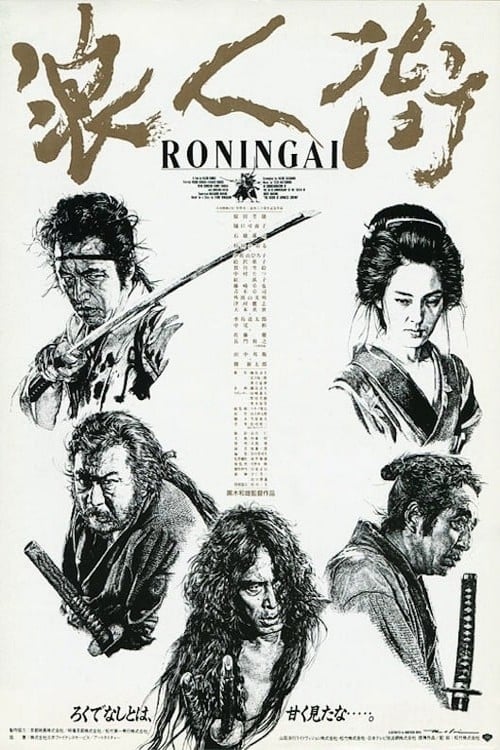
1990
2021
1958
2010
No reviews yet. Be the first to share your thoughts on this movie!
Use the rating form above to leave a star rating and optional review.