Gone with the West
1975
No user ratings available yet
Representation score: 4.7 out of 10
Representation Score
Limited
1971
Director
Pasquale Squitieri
Runtime
97 minutes
Average Rating
No ratings yetNew Showbiz Analysis
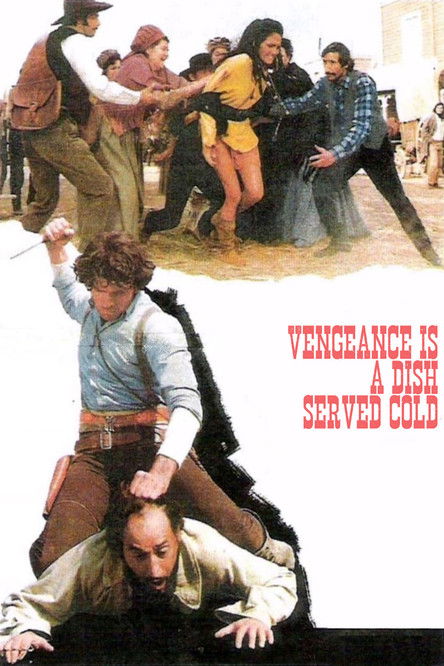
Vengeance Is a Dish Served Cold stands out from the typical Spaghetti Western by complicating the racial narrative. Instead of a straightforward tale of ethnic conflict, the story uses systemic deception to challenge the 'Indian-killer' archetype and reshape the viewer's perception of the frontier enemy. However, the film is heavily centered around traditional masculine archetypes and genre-standard violence. The protagonist's journey is central, leaving female characters in reactive roles and maintaining a focus on individual vengeance rather than broader social critiques.
Category Breakdown
The film follows the typical structures of the 1970s Western genre and does not include any non-binary gender identities or narratives that question the assumption that everyone is straight or cisgender.
The story is mainly driven by a male protagonist. The Native American character Tune plays a significant role in the protagonist's internal growth, but her role remains largely reactive to the male-driven plot.
The film challenges the 'civilization vs. savagery' cliché by introducing a landowner who blames Native Americans for his crimes. This disrupts the standard racial binaries and criticizes systemic corruption.
The narrative highlights moral relativism and the subjectivity of truth. It critiques the corruption of Western institutional power, while still being rooted in violent frontier traditions.
There is no significant portrayal of physical or neurodivergent disabilities within the film's narrative.
Present on Screen
Limited or Absent
Official Synopsis
After witnessing the brutal murder of his entire family by Native Americans as a child, Jeremiah Bridger becomes a merciless Indian-killer and scalp hunter. After saving the life of a beautiful Native American girl named Tune, however, the lone and silent gunman slowly reconsiders his hatred. He starts to doubt his former persuasion, that it was really Indians, who killed his family, and soon has to find out that a greedy and unscrupulous landowner usually blames Native Americans for his own crimes.
1975
1967
1972
1966
1975
1958
1969
1956
No reviews yet. Be the first to share your thoughts on this movie!
Use the rating form above to leave a star rating and optional review.