Payment in Blood
1967
No user ratings available yet
Representation score: 2.9 out of 10
Representation Score
Fair
1971
Director
Roberto Bianchi Montero
Runtime
100 minutes
Average Rating
No ratings yetNew Showbiz Analysis
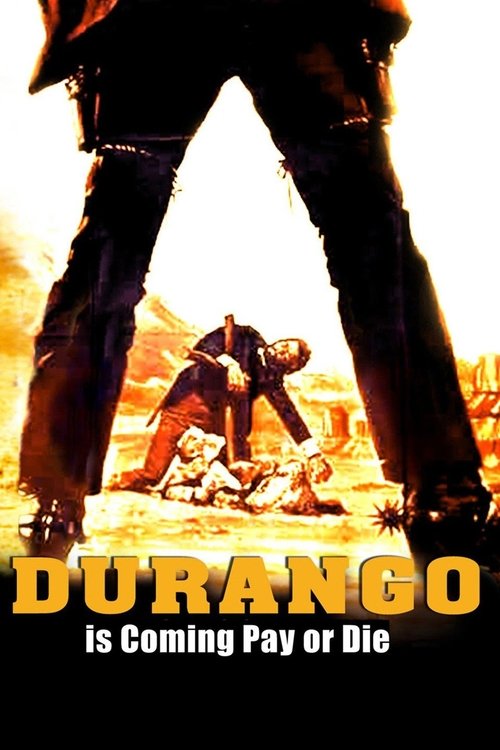
Durango Is Coming, Pay or Die is a classic Spaghetti Western that leans heavily on traditional genre elements. Its main strength lies in its cynical portrayal of corrupt institutions, particularly the banking system as a tool for exploitation. However, the film remains entrenched in traditional masculine power dynamics, providing minimal opportunities for women to play significant roles. While the cross-cultural alliance between the protagonist and a Mexican bandit offers a fresh perspective, the film lacks deeper exploration of diverse identities. Overall, the movie serves primarily as a personal revenge tale, with limited representation of underrepresented groups.
Category Breakdown
The film does not include any non-straight or non-cisgender identities, sticking to the heterosexual norms typical of 1970s action movies.
The story focuses mainly on male characters, with very few opportunities for women to take charge or influence the plot.
The film features a multi-ethnic alliance where the protagonist partners with a Mexican bandit, challenging the usual white-centric hero clichés.
The story criticizes traditional institutions by presenting a bank director as a corrupt figure, questioning the moral validity of capitalist systems.
The film does not feature any characters with visible or invisible disabilities, emphasizing physical strength and combat.
Present on Screen
Limited or Absent
Official Synopsis
Durango, a debt collector, arrives in the town of Tucson, where he is hired by a bank director called Ferguson, who refuses to pay him his fee afterwards. Durango is thrown in jail on a false accusation but manages to escape and teams up with a Mexican bandit to get even with Ferguson, who has concocted a complicated plan to rob a shipment of gold belonging to the people of Tucson.
1967

1968

1966
1969

1968
1967
1973
1961
No reviews yet. Be the first to share your thoughts on this movie!
Use the rating form above to leave a star rating and optional review.