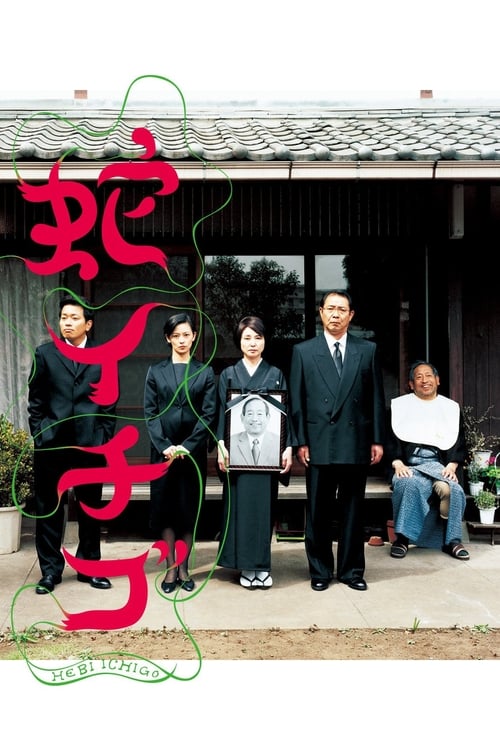
Wild Berries
2003
No user ratings available yet
Representation score: 6.6 out of 10
Representation Score
Good
1983
Director
Yoshimitsu Morita
Runtime
107 minutes
Average Rating
No ratings yetNew Showbiz Analysis
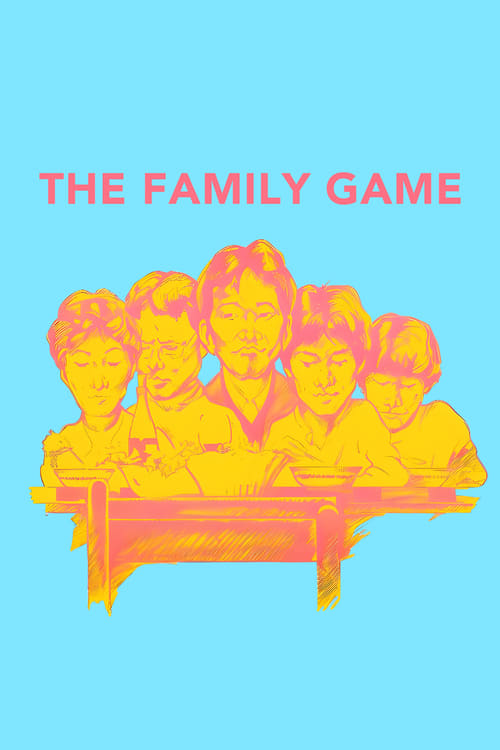
The Family Game is a sharp deconstruction of the mid-century Japanese domestic ideal. It uses absurdist elements to dismantle the stability of the middle-class family, portraying members as isolated individuals performing hollow rituals. The film's strength lies in its subversion of traditional power dynamics. By stripping the father of his dignity and showing the mother's isolation, it critiques the systemic pressures of the salaryman era. However, the film remains narrow in its demographic scope. It lacks representation for LGBTQ+ identities, diverse ethnic backgrounds, or specific disabilities, focusing instead on a specific cultural context.
Category Breakdown
The film focuses on the psychological fragmentation of a typical nuclear family. It does not include explicit LGBTQ+ identities or queer-coded character arcs.
Morita challenges traditional gender roles by depicting the father as an ineffective and emotionally detached figure. The mother is shown through her repressed frustration and profound sense of isolation.
The casting is intentionally uniform to reflect a specific middle-class Japanese social environment. The film does not aim to broaden its ethnic scope.
The narrative provides a sophisticated critique of traditional capitalist structures and the institutionalized family unit. It portrays the salaryman culture as emotionally bankrupt and oppressive.
There are no prominent depictions of physical or neurodivergent disabilities. Character alienation is treated as a universal symptom of modern urban life rather than a specific disability.
Present on Screen
Limited or Absent
Official Synopsis
A sendup of the stereotypical Japanese family: dad is a salaryman jerk, unable to relate to anyone; mom is a hopeless housewife; the older son is a moderate academic success; but the younger son is a rebellious goof-off for whom a tutor must be hired. The tutor proceeds to blow the entire family apart.
2003
1958
1984
1959
1988

2022
2014
2003
No reviews yet. Be the first to share your thoughts on this movie!
Use the rating form above to leave a star rating and optional review.