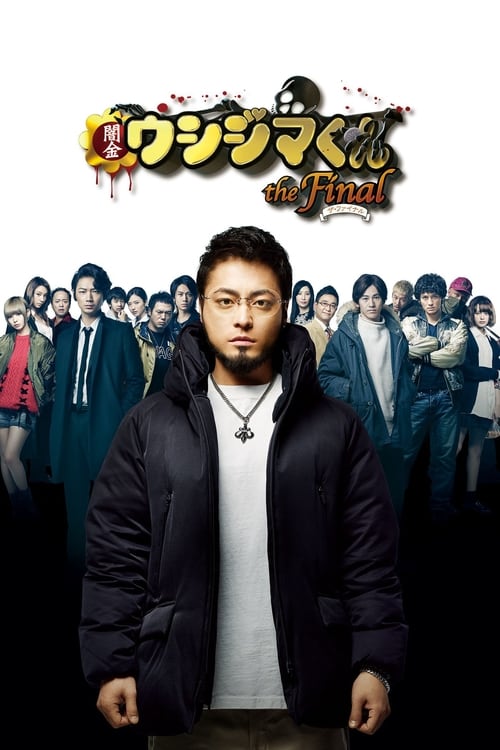
Ushijima the Loan Shark The Final
2016
No user ratings available yet
Representation score: 4.3 out of 10

Representation Score
Fair
2022
Director
Toichiro Ruto
Runtime
117 minutes
Average Rating
No ratings yetNew Showbiz Analysis
The film's strength lies in its subversion of gendered archetypes. By repositioning a hyper-masculine figure into a domestic role, it validates household management as a space of high ability to act and competence. However, the film lacks multi-layered breadth. The narrative remains culturally specific to Japan, resulting in a homogeneous social environment that lacks racial and LGBTQ+ diversity. Ultimately, while the film succeeds in deconstructing traditional social hierarchies and masculinity, it offers limited representation for underrepresented identities outside of its primary cultural context.
Category Breakdown
The film does not explicitly depict LGBTQ+ identities or same-sex relationships. The story focuses on the protagonist's transition from violent underworld activities to a peaceful domestic life.
The story challenges traditional masculinity by centering a former yakuza member as a dedicated domestic caretaker. It highlights the protagonist's ability to take control and find competence in the private, domestic realm.
The production is a culturally specific Japanese film centered around a homogeneous social structure. It does not seek to diversify the cast through multi-ethnic casting.
The narrative critiques traditional power structures by prioritizing a domestic lifestyle over yakuza hierarchies. It suggests that concepts of honor and authority are fluid and subjective.
There is no evidence of the portrayal of physical or neurodivergent disabilities. No characters are identified as having visible or invisible disabilities.
Present on Screen
Limited or Absent
Official Synopsis
The most notorious househusband in history appears!! The sinister yakuza who left behind many legends in the underworld, "The Immortal Dragon". He washed his hands of the yakuza lifestyle, and the new path he chose… was "househusband"! In the never-before-seen narrative, "Tacchan" charmed living rooms everywhere. And now the "ultimate spokesman for housewives (and househusbands) everywhere,"the Yakuza Househusband, returns!
2016

1990

2006
2002

2007

1977
2013
2014
No reviews yet. Be the first to share your thoughts on this movie!
Use the rating form above to leave a star rating and optional review.