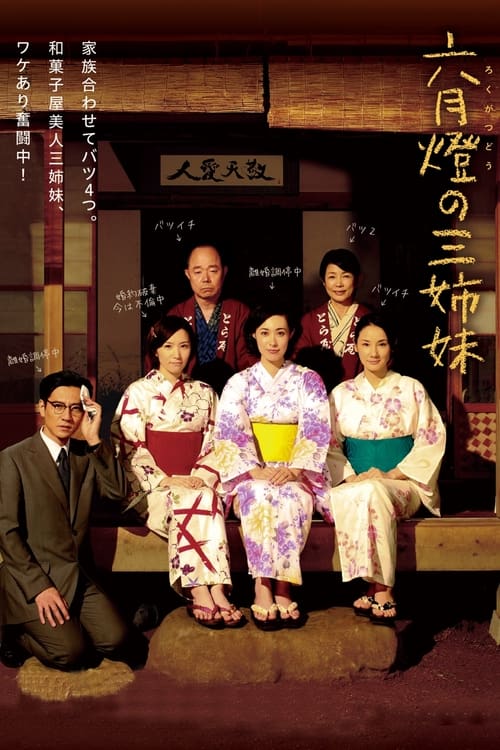
Three Sisters
2014
No user ratings available yet
Representation score: 4.2 out of 10
Representation Score
Good
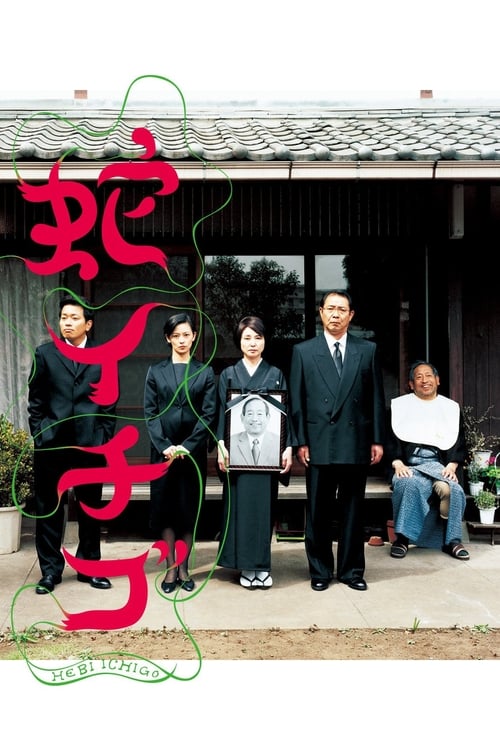
2003
Director
Miwa Nishikawa
Runtime
108 minutes
Average Rating
No ratings yetNew Showbiz Analysis
Wild Berries is a realist character study that finds its strength in the nuanced psychological experiences of its female characters. By prioritizing women's ability to act and subjectivity, the film offers a progressive departure from standard patriarchal domestic dramas. However, the film lacks broad diversity. The narrative remains confined to a culturally homogeneous Japanese setting and does not feature LGBTQ+ identities or characters with disabilities. This narrow focus limits its engagement with broader systemic or social diversities. Ultimately, while the film successfully deconstructs the myth of the stable, idealized family, it functions more as a quiet study of interpersonal melancholy than a tool for social subversion.
Category Breakdown
The film does not explicitly depict non-straight relationships or identities. It focuses on conventional, fractured interpersonal dynamics rather than narratives that challenge assumptions about straight relationships.
The narrative provides a meaningful exploration of women's experiences and emotions. By centering the emotional landscapes of its female characters, the film disrupts traditional patriarchal focuses found in domestic dramas.
The production features a culturally homogeneous Japanese cast and setting. It does not engage in the intentional subversion of racial or ethnic hierarchies through diverse casting.
The film deconstructs the idealized family unit by portraying an ordinary household as unstable. It operates through moral relativism rather than an explicit institutional critique.
There is no significant evidence of characters with visible or invisible disabilities driving the plot. The story prioritizes psychological states over neurodivergent or physical representation.
Present on Screen
Limited or Absent
Official Synopsis
A portrait of an ordinary family that turns unstable when their frivolous son Shuji returns home after a long absence.
2014
2004
2013

2006
2007

1989
1999
1984
No reviews yet. Be the first to share your thoughts on this movie!
Use the rating form above to leave a star rating and optional review.