
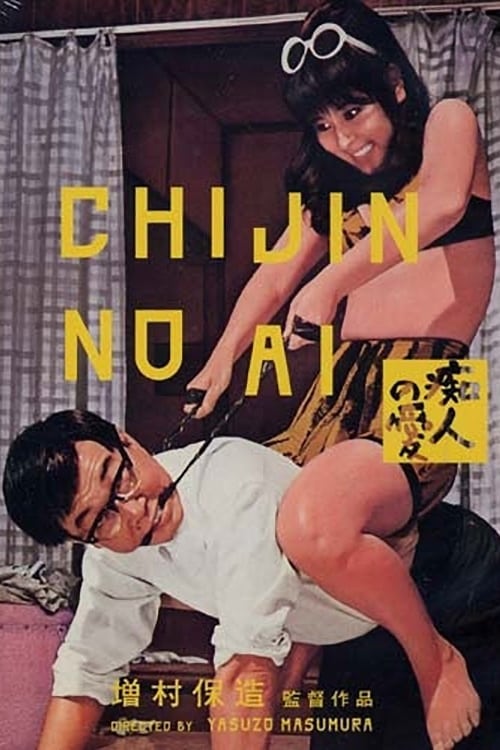
The Most Valuable Wife
1959
No user ratings available yet
Representation score: 5.5 out of 10
Representation Score
Fair
1967
Director
Yasuzō Masumura
Runtime
92 minutes
Average Rating
No ratings yetNew Showbiz Analysis
Yasuzō Masumura’s film challenges mid-century social norms through a radical subversion of gender roles. By positioning the female lead as the dominant force, the film undermines the traditional submissive wife archetype. Though the film lacks explicit LGBTQ+ representation and features a culturally homogeneous cast, it offers a significant non-Western perspective. It challenges traditional hierarchies by portraying a male character in a position of domestic subordination. Overall, the film’s strength lies in its critique of traditional family structures and its questioning of the disciplined social order.
Category Breakdown
The film focuses on a relationship between a middle-aged man and a teenage bride, which follows traditional norms. However, it challenges typical courtship and domestic power dynamics.
The movie disrupts traditional gender roles by showing a female protagonist who controls her husband. This portrayal highlights emotional and social vulnerability.
Produced in Japan in 1967, the film features a homogeneous cast reflecting Japanese culture. It provides a unique non-Western viewpoint that contrasts with Western storytelling traditions.
The story questions the sanctity of traditional marriage by showing a chaotic power struggle instead of a stable family unit. It emphasizes individual desires over societal discipline.
There is no evidence of characters with visible or invisible disabilities serving as central plot points or being subjected to specific clichés.
Present on Screen
Limited or Absent
Official Synopsis
A middle-aged factory engineer trains, marries, and ultimately loses a teenage bride after she enslaves him to her whims.
1959
1958

1961

1970

1974

2008

1980

1974
No reviews yet. Be the first to share your thoughts on this movie!
Use the rating form above to leave a star rating and optional review.