
Ushijima the Loan Shark The Final
2016
No user ratings available yet
Representation score: 4.3 out of 10
Representation Score
Good
2003
Director
Nobuhiro Yamashita
Runtime
111 minutes
Average Rating
No ratings yetNew Showbiz Analysis
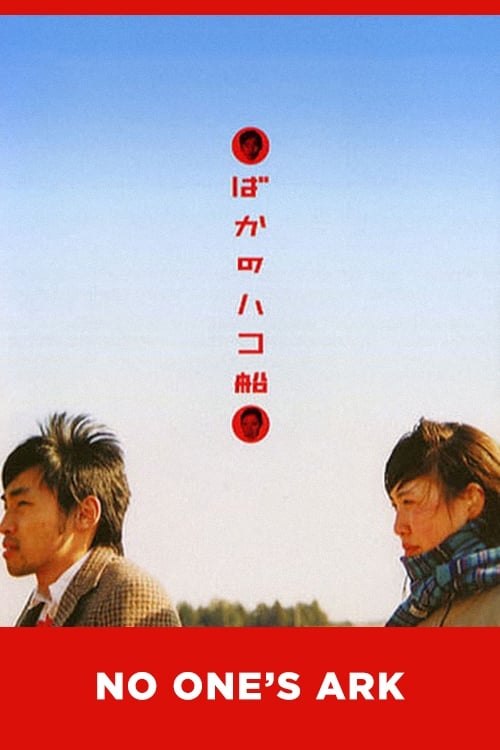
No One's Ark is a character-driven study of socioeconomic marginality. It succeeds by subverting traditional social and economic hierarchies, focusing on individuals who exist outside of mainstream productive roles. The film's strength lies in its atmospheric exploration of loneliness and its critique of capitalist expectations. It prioritizes subjective experience and situational ethics over rigid moral structures. However, the film lacks demographic breadth, maintaining a culturally homogeneous environment and providing no overt representation of LGBTQ+ identities or physical disabilities.
Category Breakdown
The film does not include explicit LGBTQ+ narratives or clearly defined non-cisgender identities. It explores unconventional interpersonal connections but does not overtly represent queer identities.
Characters are defined by their isolation rather than traditional family or patriarchal roles. This approach avoids reinforcing standard masculine leadership or submissive femininity, emphasizing individualistic ability to act.
The cast is predominantly Japanese, reflecting the localized reality of rural Japan. The film does not feature significant ethnic mixing or race-bending.
The narrative critiques mainstream economic structures by centering on characters on the periphery of capitalist productivity. It prioritizes internal emotional landscapes over traditional societal institutions.
There is no explicit focus on physical or neurodivergent disabilities. However, the film's preoccupation with social detachment serves as a metaphor for invisible psychological states.
Present on Screen
Limited or Absent
Official Synopsis
Daisuke and his girlfriend have failed at selling a smelly health drink named Akajiru in Tokyo, amassing five million yen in debts. In order to recover financially, they retreat to Daisuke's island hometown.
2016

1990

2013

2018

2008

2002
2007
2006
No reviews yet. Be the first to share your thoughts on this movie!
Use the rating form above to leave a star rating and optional review.