Glasses
2007
No user ratings available yet
Representation score: 7.5 out of 10
Representation Score
Good
2011
UnratedDirector
Koji Fukada
Runtime
96 minutes
Average Rating
No ratings yetNew Showbiz Analysis
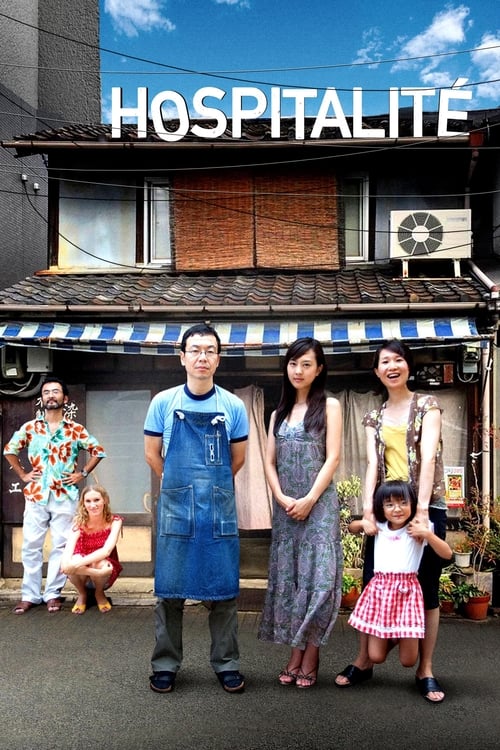
Hospitalité is a sophisticated black comedy that prioritizes the deconstruction of social norms over demographic diversity. It uses an intrusive outsider to expose the fragility of domestic stability and community safety. While the film lacks high visibility in LGBTQ+ and racial diversity, it achieves significant progressive value through its cultural critique. The narrative deliberately unsettles the viewer's comfort with traditional community structures and established social hierarchies. Ultimately, the work functions as a study of social alienation and the subversion of hospitality, making it an intellectually deep, albeit demographically narrow, exploration of Japanese society.
Category Breakdown
The film does not explicitly depict LGBTQ+ identities or non-cisgender expressions. It focuses on disrupting a heterosexual household rather than exploring queer identities.
The story challenges traditional masculine dominance by focusing on a timid male protagonist. The wife's active role provides a complex look at power dynamics within the home.
The setting reflects a culturally homogeneous Japanese environment. It addresses xenophobia through the archetype of a stranger rather than a diverse cast.
The film effectively critiques traditional social institutions and the sanctity of the family unit. It uses a wry commentary to challenge systemic social exclusion.
There is no evidence of characters with visible or invisible disabilities driving the plot. The focus remains on psychological isolation and social conflict.
Present on Screen
Limited or Absent
Official Synopsis
In this black comedy the lives of a timid small-time printer and his young wife are turned inside out by the arrival of a stranger who moves in and takes over their world. Set in a village-like outpost in the heart of Tokyo, this is a wry commentary on Japanese xenophobia. Kiki Sugino heads a spritely ensemble cast.
2007

2018

1998
2020
2014
2003
2012
1992
No reviews yet. Be the first to share your thoughts on this movie!
Use the rating form above to leave a star rating and optional review.