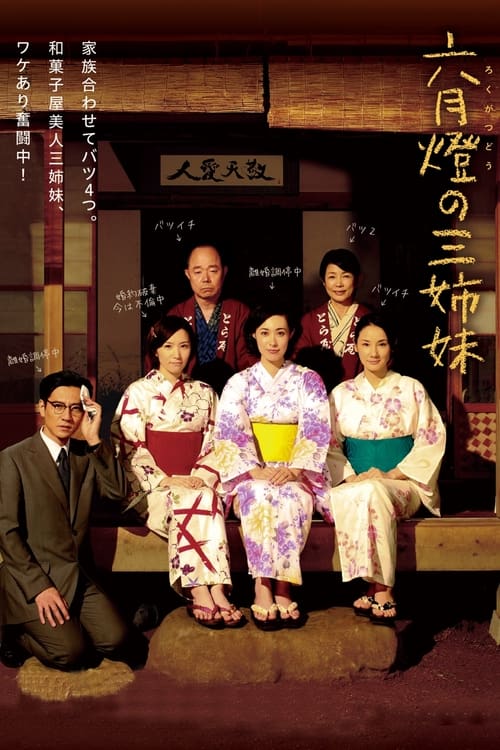
Three Sisters
2014
No user ratings available yet
Representation score: 4.2 out of 10
Representation Score
Good
2003
Director
Yoshimitsu Morita
Runtime
135 minutes
Average Rating
No ratings yetNew Showbiz Analysis
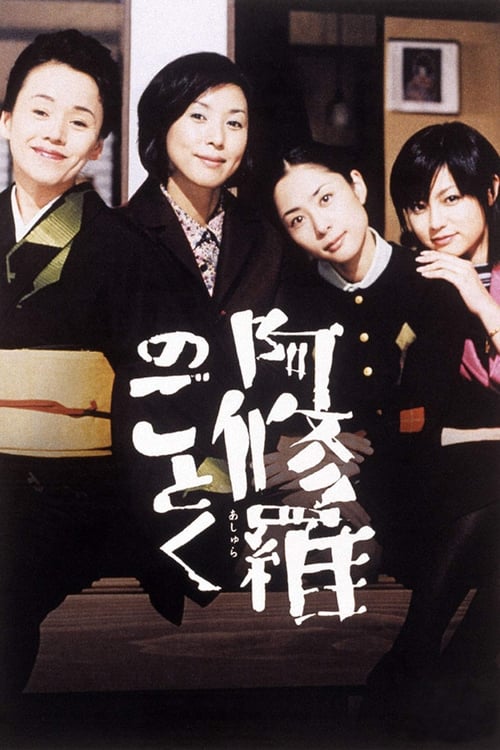
Like Asura is a character-driven study that disrupts the typical expectations of historical drama. It succeeds by centering women's ability to drive the story and using a philosophy of moral relativism to explore human impulses. However, the film is limited by its historical setting and narrow focus. It lacks representation for LGBTQ+ identities and does not address disability, reflecting the constraints of its period-piece framework. Ultimately, the film's strength lies in its deconstruction of social stability and its complex portrayal of family dynamics over idealized traditionalism.
Category Breakdown
The film does not include explicit LGBTQ+ identities or same-sex intimacy. It explores individual desires but does not feature visible LGBTQ+ presence within the main storyline.
The four Takezawa sisters play a key role in driving the plot through their own actions. They challenge traditional stereotypes by investigating their father's misdeeds rather than remaining passive.
Set in the Edo period, the film focuses on internal class tensions rather than multi-ethnic or racial conflicts. The historical context is largely homogeneous.
The film uses the Asura metaphor to explore human passion and suffering. It challenges structured social orders by highlighting the dysfunction inherent in traditional kinship.
There is no significant evidence of visible or invisible disabilities. The narrative focuses on the psychological and emotional volatility of the characters.
Present on Screen
Limited or Absent
Official Synopsis
The four Takezawa sisters discover that their father has an illegitimate child so they hire a private detective to investigate.
2014

2008

2007

2017

2014

2008

2004

1983
No reviews yet. Be the first to share your thoughts on this movie!
Use the rating form above to leave a star rating and optional review.